If you want to capture system audio, voice, and instruments in one clean workflow, an audio interface with loopback can simplify everything. It’s a smart upgrade for streamers, podcasters, musicians, and creators who need flexible routing.
Below, we focus on practical choices that balance sound quality, driver stability, input options, and loopback features so you can pick the right interface for your setup.
Best 10 Audio Interface with Loopback Picks for 2026
Best for Loopback Streaming
MAONO PS22 Lite USB Audio Interface

- Loopback routing with ProStudio software
- 24-bit/192kHz recording and 106dB dynamic range
- XLR input, 48V phantom power, and ASIO support
Best For: Streamers and podcasters who want simple loopback routing and solid starter recording features.
Best for Solo Recording
Focusrite Scarlett Solo 3rd Gen USB Interface

- Clean 24-bit/192kHz conversion for polished recordings
- Air mode and strong preamps help vocals and acoustic instruments
- Compact, easy desktop interface with dependable monitor and headphone playback
Best For: Singer-songwriters and solo creators who want a simple, reliable interface for music or voice recording.
Best for Hybrid Streaming
MAONO P1 Hybrid USB Audio Interface
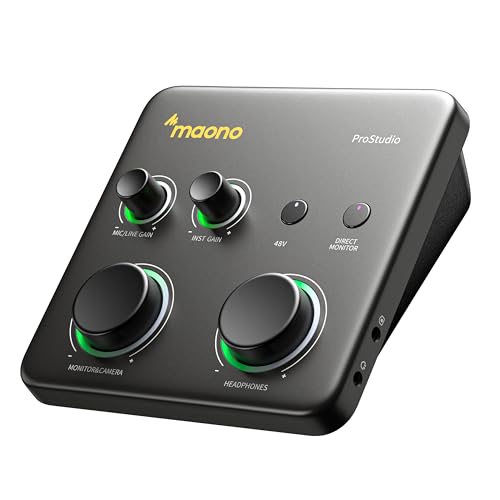
- Dual USB and MFi support for computer + mobile use
- Loopback, auto-gain, and routing software for creators
- 70dB gain with ASIO support for dynamic mics
Best For: Creators who need one interface for streaming, podcasting, and hybrid PC/mobile recording.
Best for Easy Loopback Streaming
PIYONE 2x2 USB-C Audio Interface

- Loopback-ready for streaming and podcast workflows
- 24-bit/192kHz audio with clean, low-noise conversion
- Two combo inputs with USB-C bus power and phantom power
Best For: Streamers and solo creators who want an easy-to-use interface with loopback.
Best for Streaming & Small Sessions
Fender Quantum LT 4 USB-C Audio Interface
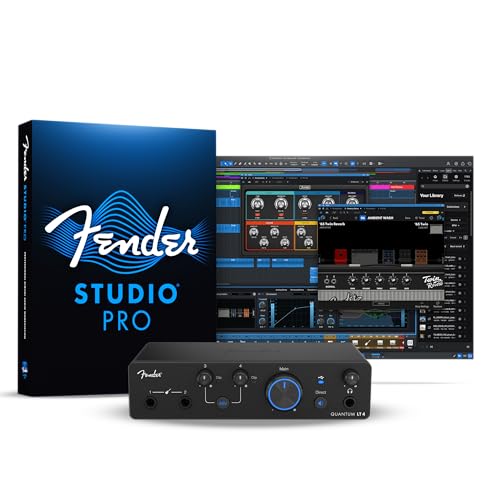
- Loopback routing is ideal for streaming and podcasting.
- Two MAX-HD mic preamps deliver 75 dB of clean gain.
- Dual instrument inputs work well for guitar and bass.
Best For: Streamers, podcasters, and small home studios that need loopback and two mic inputs.
Best for Solo Songwriters
Focusrite Scarlett Solo 4th Gen

- 120dB dynamic range with Focusrite’s latest converters
- Improved Air mode adds vocal and guitar presence
- Includes Pro Tools, Ableton Live Lite, Cubase LE, and plugins
Best For: Singer-songwriters and solo creators who want clean, simple recording for vocals and guitar.
Best for Streaming
Yamaha UR22MK3 W USB-C Audio Interface
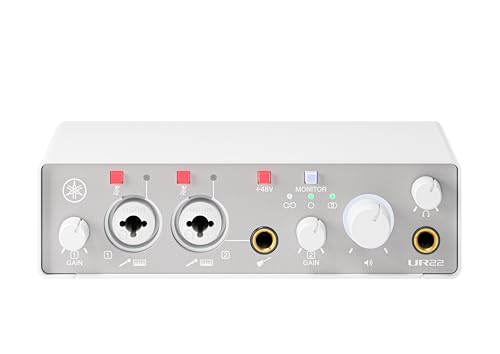
- Loopback plus direct monitoring for creators
- 2 combo inputs with phantom power and Hi-Z
- 24-bit/192kHz sound in a compact metal body
Best For: Singer-songwriters and streamers who want an easy 2-in/2-out interface with loopback.
Best Heavy-Duty Pick
PIYONE 2x2 USB-C Audio Interface

- Loopback and monitor mix support
- 24-bit/192kHz high-fidelity recording
- USB-C plug-and-play setup
Best For: Streamers and solo creators who want a compact interface for recording and routing audio easily.
Best for Simple Streaming
M-AUDIO M-Track Solo USB Audio Interface
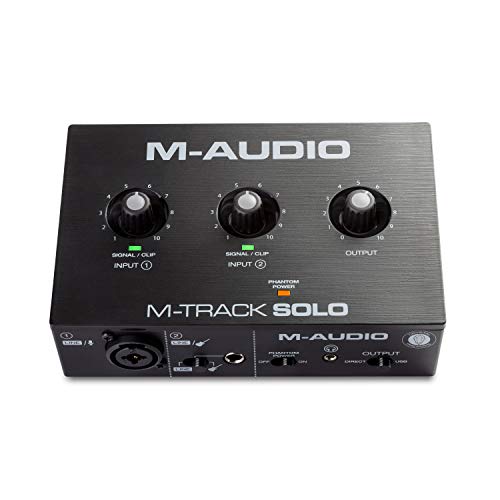
- Combo XLR/line input plus separate instrument input
- USB/direct monitoring switch for low-latency tracking
- Includes MPC Beats software for quick start recording
Best For: Beginners and solo creators who want an easy USB interface for vocals, guitar, and podcasts.
Best for Loopback Streaming – MAONO PS22 Lite USB Audio Interface
If you want an audio interface with loopback for streaming, podcasting, or simple home recording, the MAONO PS22 Lite is built to make routing easier without giving up useful studio features. It records at up to 24-bit/192kHz, supports XLR mics and instruments, and adds ProStudio software with loopback and ASIO support for flexible live audio control.
Best For: Streamers, podcasters, and beginner creators who need loopback routing, low-latency monitoring, and an easy USB interface for PC, Mac, or iPad.
Pros:
- Loopback-capable ProStudio routing software for streaming and content creation
- 24-bit/192kHz recording with 106dB dynamic range for clean audio
- XLR mic input with 48V phantom power and up to 56dB of gain
- Compact design with direct monitoring and plug-and-play setup
Cons:
- Single XLR input limits multi-mic recording setups
- Loopback and ASIO features may require a little software setup
- Best suited to solo creators rather than larger studios
Overall, the PS22 Lite stands out as a practical audio interface with loopback for creators who want straightforward routing, solid mic support, and an affordable all-in-one setup for streaming or recording.
Best for Solo Recording – Focusrite Scarlett Solo 3rd Gen USB Interface
If you want a straightforward audio interface with loopback-style usability for basic recording and playback tasks, the Scarlett Solo 3rd Gen is a practical pick for singers, guitarists, and podcasters who value clean sound over extra routing features. It keeps the setup simple while still delivering solid preamps, instrument input flexibility, and reliable monitor outputs.
Best For: Singer-songwriters, home podcasters, and guitar players who want an easy-to-use interface with studio-quality conversion and dependable playback.
Pros:
- Clear 24-bit/192kHz conversion and improved Scarlett mic preamp for detailed recordings
- Switchable Air mode adds brightness and openness to vocals and acoustic instruments
- High-headroom instrument input helps guitar and bass tracks avoid clipping or distortion
- Balanced outputs and headphone monitoring support clean playback in a compact desktop setup
Cons:
- Only one mic input, so it is not ideal for multi-person recording
- No built-in loopback function for capturing system audio in the way streaming-focused interfaces do
As an audio interface with loopback alternatives in mind, the Scarlett Solo 3rd Gen is better suited to simple recording chains than full broadcast routing, but it excels at the core essentials: low-noise input, easy gain staging, and dependable sound quality. If your priority is making clean music or voice recordings with minimal fuss, it’s an easy interface to recommend.
Best for Hybrid Streaming – MAONO P1 Hybrid USB Audio Interface
If you want an audio interface with loopback that can handle both computer and mobile workflows, the MAONO P1 is built for that exact job. It combines dual USB connectivity, 70dB of gain, auto-gain, and routing software so creators can record, stream, and capture backing tracks without constantly changing settings.
Best For: Podcasters, streamers, and musicians who need one interface for PC, phone, iPad, and hybrid recording setups.
Pros:
- Dual USB/MFi connectivity supports computer and mobile recording at the same time.
- Loopback and routing software make it easy to mix voice, instrument, and desktop audio.
- 70dB gain, ASIO support, and 24-bit/192kHz capture suit dynamic mics and detailed recording.
- Auto-gain, mute controls, and direct monitoring simplify live streaming and podcast sessions.
Cons:
- The software-driven routing may take a little setup time for first-time users.
- Its creator-focused feature set may be more than casual recorders need.
For buyers who want an audio interface with loopback that’s flexible enough for streaming, mobile content creation, and basic music production, the P1 stands out for workflow convenience rather than just raw specs. It’s a practical pick if you value hybrid connectivity and easy audio routing over a simpler, stripped-down interface.
Best for Easy Loopback Streaming – PIYONE 2×2 USB-C Audio Interface
If you need an audio interface with loopback for livestreams, podcasts, or quick content capture, this PIYONE 2×2 model covers the essentials without adding setup hassle. It offers class-compliant USB-C plug-and-play use on Mac, PC, and iOS, plus 24-bit/192kHz recording for clean results in a compact desktop-friendly design.
Best For: Streamers, podcasters, and solo creators who want simple loopback routing, direct monitoring, and portable studio-quality recording.
Pros:
- Built-in monitor mix/loopback support for streaming and content creation
- 24-bit/192kHz conversion for detailed, low-noise recordings
- Two combo XLR/TRS inputs with 48V phantom power and Hi-Z support
- USB-C bus power and driver-free operation make setup fast and portable
Cons:
- Only two inputs, so it is not ideal for larger recording sessions
- Best suited to straightforward workflows rather than advanced routing
- Fixed LED styling may not appeal to users who prefer a minimal look
As an audio interface with loopback, this model stands out most for creators who want an easy path to streaming or recording with minimal cable clutter. It balances practical features, decent I/O, and simple operation well for home studios and mobile setups.
Best for Streaming & Small Sessions – Fender Quantum LT 4 USB-C Audio Interface
The Fender Quantum LT 4 is a practical audio interface with loopback for creators who need more than a basic 2-in/2-out box. With dual mic preamps, dual instrument inputs, low-latency drivers, and easy monitoring, it fits small studios, streamers, and podcasters who want flexible routing without a steep learning curve.
Best For: Streamers, podcasters, and home-recording musicians who want loopback, two mic inputs, and solid Fender software support.
Pros:
- Loopback routing makes streaming, tutorials, and podcast workflows easy.
- Two MAX-HD mic preamps with 75 dB gain suit a wide range of microphones.
- Dual instrument inputs are handy for guitars, bass, and line-level sources.
- Balanced outputs and a strong headphone amp support reliable monitoring.
Cons:
- 4×2 I/O is flexible, but not ideal for larger multi-mic tracking sessions.
- Best features depend on Fender software registration and setup.
Overall, the Quantum LT 4 stands out as an audio interface with loopback that balances creator-friendly features with simple operation. It’s a strong fit if you need streaming routing and two quality mic channels in one compact desktop interface.
Best for Solo Songwriters – Focusrite Scarlett Solo 4th Gen
If you want a compact audio interface with loopback-style versatility for home recording, the Focusrite Scarlett Solo 4th Gen is a strong pick for solo musicians, vocalists, and guitarists. It delivers polished studio-grade conversion, simple plug-and-play operation, and enough included software to get tracks recorded, mixed, and polished quickly.
Best For: Singer-songwriters, guitarists, and beginners who want an easy, high-quality two-input interface for recording vocals and instruments.
Pros:
- 120dB dynamic range and updated converters for cleaner, more detailed recordings
- Improved Air mode adds clarity and presence to vocals and guitars
- Includes Pro Tools Intro+, Ableton Live Lite, Cubase LE, and Hitmaker Expansion plugins
- Compact design that fits easily into a small home studio setup
Cons:
- No dedicated loopback feature, so it is less ideal for streaming and podcast routing
- Only two inputs, which can feel limiting for larger recording sessions
As an audio interface with loopback in mind, this model is better suited to straightforward music capture than complex broadcast workflows, but it stands out for its sound quality, bundled software, and ease of use. If your priority is recording vocals and guitar with minimal fuss, it offers excellent value.
Best for Streaming – Yamaha UR22MK3 W USB-C Audio Interface
If you want an audio interface with loopback that’s simple to use for recording and streaming, the Yamaha UR22MK3 W is a strong pick. It combines 24-bit/192kHz support, two combo inputs, and direct monitoring in a compact metal chassis, so you can capture clean vocals or instruments without a complicated setup.
Best For: Singer-songwriters, streamers, and beginners who want a straightforward 2-in/2-out interface with reliable loopback for content creation.
Pros:
- Loopback and direct monitoring make it useful for livestreaming and podcasting
- Two combo inputs with UR mic preamps, phantom power, and Hi-Z support
- 24-bit/192kHz conversion and USB-C connectivity for modern setups
- Includes Steinberg software to help new users start recording faster
Cons:
- Only two inputs, so it won’t suit larger recording sessions
- Best for simple setups rather than advanced routing workflows
- White finish may not appeal to everyone
Overall, the UR22MK3 W is a practical audio interface with loopback for creators who want clean sound, easy monitoring, and a compact footprint. It’s especially appealing if your priority is streaming or home recording without sacrificing sound quality or adding setup complexity.
Best for Hybrid Mobile Recording – MAONO P2 Hybrid USB Audio Interface
The MAONO P2 is a practical audio interface with loopback for creators who need to route computer audio, mic input, and mobile sources in one compact setup. With dual XLR inputs, 56dB of gain, ASIO support, mute control, and routing software, it suits podcasting, streaming, voice work, and simple music recording without a steep learning curve.
Best For: Streamers, podcasters, and mobile creators who want a flexible interface for PC, phone, or iPad workflows.
Pros:
- Dual XLR inputs make it useful for two-person shows or multi-source recording.
- Loopback and routing software help combine system audio with live mic input.
- 56dB gain and ASIO support improve compatibility for recording and monitoring.
- Hybrid USB design works across PC, phone, and iPad setups.
Cons:
- Not the simplest choice if you only need a basic one-mic interface.
- Advanced routing features may take a little setup time.
- Best suited to creators who will actually use the loopback and hybrid functions.
Overall, this is a strong pick if you want an audio interface with loopback that can handle both desktop and mobile creation. It stands out most when you need flexible routing and cross-device recording in a single unit.
Best Heavy-Duty Pick – PIYONE 2×2 USB-C Audio Interface
If you want an audio interface with loopback that keeps streaming, podcasting, and screen-capture workflows simple, the PIYONE 2×2 is a practical pick. It combines 24-bit/192kHz recording, USB-C bus power, and class-compliant plug-and-play support for Mac and PC, so you can get set up fast without extra drivers.
Best For: Streamers, podcasters, and home-recording users who want straightforward loopback routing and a compact 2-input interface.
Pros:
- Loopback and monitor mix features are useful for streaming and content creation
- 24-bit/192kHz conversion for clean, high-resolution recording
- Two combo inputs with phantom power support mic and instrument use
- USB-C one-cable setup keeps desktop clutter to a minimum
Cons:
- Only two inputs, so it is not ideal for larger multi-mic sessions
- 3.5mm headphone connectivity may be less flexible than interfaces with larger output options
Overall, this is a well-rounded audio interface with loopback for users who need a simple, portable way to record and stream from one compact box. It favors convenience and clean sound over advanced studio expansion, which makes it a smart fit for solo creators.
Best for Simple Streaming – M-AUDIO M-Track Solo USB Audio Interface
If you want an affordable audio interface with loopback-style streaming convenience in a compact package, the M-AUDIO M-Track Solo is built for straightforward recording, podcasting, and live content creation. It gives you a combo XLR/line input, an instrument input, and direct monitoring so you can capture sources cleanly without a complicated setup.
Best For: Beginners, solo creators, and streamers who need a simple USB interface for vocals, guitar, and podcasts.
Pros:
- Combo XLR/line input plus separate instrument input for flexible one-person recording.
- USB/direct monitoring switch helps reduce latency while tracking or streaming.
- Crystal preamp and phantom power support condenser microphones.
- Includes MPC Beats software to get started quickly.
Cons:
- No dedicated loopback function is listed, so streaming workflows may be more limited than on true loopback models.
- Only one mic/line channel, which makes it less suitable for multi-person recording.
- Basic output options compared with higher-end interfaces.
Overall, this is a practical entry-level pick if you mainly need a compact interface for solo recording and podcast work. It is less ideal as a full-featured audio interface with loopback, but it remains a solid choice for simple, reliable USB audio capture.
How We Picked the Best Audio Interface with Loopback
We prioritized interfaces that offer reliable loopback routing, solid audio conversion, and stable computer compatibility. We also looked for useful creator features such as direct monitoring, low-latency drivers, combo inputs, gain flexibility, and simple software control.
Quick Comparison
The best option depends on your workflow. Solo creators may want a compact 2-in/2-out model with one mic input and one instrument input, while podcasters and streamers often benefit from extra routing tools, multiple inputs, or stronger software control. If you need an Audio Interface with Loopback for live streaming or screen-recorded tutorials, easy internal routing matters as much as preamp quality.
Key Buying Factors for an Audio Interface with Loopback
Loopback Routing
Check whether the interface supports loopback natively in hardware or through bundled software. Native loopback is usually easier to set up, while software routing may offer more control.
Input Count and Connectivity
Think about what you record now and what you may add later. A single XLR input can be enough for voice work, but dual combo inputs are better for interviews, music, and multi-source recording. Also confirm whether you need USB-C, USB-A, or mobile device compatibility.
Gain, Monitoring, and Latency
Good gain range helps when using dynamic microphones or quieter sources. Direct monitoring reduces delay for live performances and tracking, while solid drivers help keep latency low for streaming and DAW use.
Sound Quality and Build
Sample rate, bit depth, preamp quality, and overall construction all influence the long-term value. For most users, 24-bit/192kHz support and dependable build quality are more important than headline specs alone.
Who Should Buy Which Audio Interface with Loopback?
Choose a compact single- or dual-input model if you mainly stream, podcast solo, or record voice and one instrument at a time. Pick a higher-feature interface if you need multiple mic sources, mobile compatibility, or more advanced routing. If you are a guitarist, vocalist, or home producer, look for an Audio Interface with Loopback that also gives you strong monitoring, simple setup, and enough headroom for future projects.
