Choosing the right home studio XLR microphone can make a bigger difference than almost any other gear upgrade. A good mic captures clearer vocals, smoother detail, and a more professional sound before editing even begins.
Below, we’ve rounded up 10 strong options for home recording, podcasting, streaming, and vocal work, with a focus on value, flexibility, and sound quality.
Best 10 Home Studio Xlr Microphone Picks for 2026
Best Value XLR Studio Mic
Audio-Technica AT2020 Condenser XLR Microphone
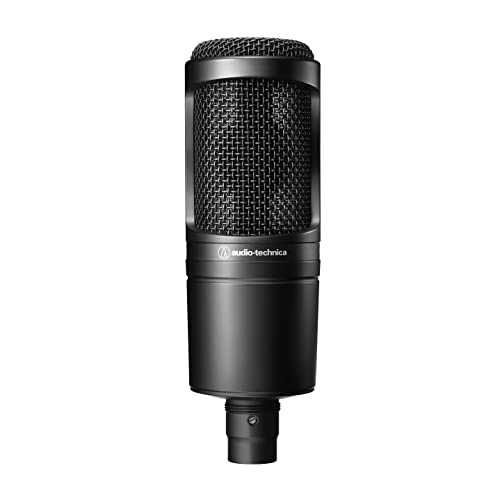
- Affordable studio condenser for home recording
- Cardioid pattern improves source isolation
- Wide dynamic range suits vocals and instruments
Best For: Home-recording buyers who want a trustworthy entry-level XLR condenser.
Best Hybrid Wireless Pick
MAONO PD200W Hybrid Wireless Podcast Mic

- Works over wireless, USB, or XLR
- Dynamic cardioid capsule for focused vocals
- Includes boom arm plus app controls
Best For: Podcasters and streamers who want a flexible mic kit for home studio and mobile-style recording.
Best for Clean Vocals
Audio-Technica AT2035 Condenser Mic

- Cardioid pattern helps reduce side and rear noise
- Large diaphragm for smooth, natural vocal tone
- Includes shock mount and useful pad/filter controls
Best For: Creators who want a versatile XLR condenser for vocals, podcasting, and streaming.
Best for Dual-Mode Flexibility
TONOR TD510 AIR H+ XLR/USB Mic

- USB and XLR outputs support easy setup now and upgrades later.
- AI noise reduction helps reduce background noise for cleaner speech.
- Includes monitoring controls, tap mute, and a boom arm.
Best For: Podcasters and home creators who want a flexible USB/XLR mic with room to grow.
Best for Mix-Ready Vocals
Shure SM4 Studio Recording Mic Kit

- Mix-ready sound suited to vocals and voice-over
- Includes pop filter and shock mount in the kit
- Durable all-metal build for home studio use
Best For: Creators who want a polished XLR mic kit with useful accessories included.
Best for Easy Setup
MAONO HD300T USB/XLR Dynamic Mic

- USB/XLR dual output for flexible recording
- Noise-suppressing dynamic capsule with cardioid pattern
- Includes monitoring jack and starter accessories
Best For: Beginners and creators who want an easy, flexible mic for desktop recording or a growing home studio.
Best Starter Bundle
TONOR TC20 XLR Condenser Mic Kit

- All-in-one kit with boom arm, shock mount, and pop filter
- Cardioid pickup helps cut background noise
- Needs 48V phantom power or an audio interface
Best For: Beginners and budget-conscious creators building a home recording setup.
Best for Vocal Detail
Melon Audio MA-87 Studio Condenser Microphone

- 26mm large-diaphragm capsule for clear, balanced vocals
- Includes shock mount, foam filter, XLR cable, and mic bag
- Metal construction supports everyday home studio use
Best For: Home studio singers, podcasters, and voice recorders who want a ready-to-use condenser mic bundle.
Best XLR Starter Kit
PROAR XLR Podcast Microphone Kit

- All-in-one bundle with stand, pop filter, shock mount, and cable
- Cardioid condenser capsule for focused voice capture
- Requires phantom power or an audio interface
Best For: Beginners and home creators who want a ready-to-use XLR mic bundle for recording and streaming.
Best Dual-Connection Pick
RØDE NT1 5th Gen Studio Microphone

- XLR and USB outputs for flexible recording setups
- Extremely low self-noise for clean vocal capture
- Includes shock mount and pop filter for easier setup
Best For: Home studios, podcasters, and musicians who want one microphone that works with both XLR gear and USB recording.
Best Value XLR Studio Mic – Audio-Technica AT2020 Condenser XLR Microphone
If you want a dependable home studio xlr microphone without moving into premium pricing, the Audio-Technica AT2020 is a proven starter-to-intermediate condenser that delivers clean, detailed vocals and instruments for project recording.
Best For: Podcasters, vocalists, and home-recording beginners who need an affordable XLR condenser with solid sound quality.
Pros:
- Good price-to-performance ratio for project and home studio use
- Cardioid pattern helps reject room noise from the sides and rear
- Wide dynamic range and high SPL handling add recording flexibility
- Low-mass diaphragm supports clear transients and extended response
Cons:
- Requires an audio interface or mixer with phantom power
- Not as forgiving in untreated rooms as a dynamic microphone
- No bundled accessories beyond the mic itself
As a home studio xlr microphone, the AT2020 stands out because it gives you real studio-style detail and versatility at an accessible entry point, making it a smart pick when you want better recordings without overspending.
Best Hybrid Wireless Pick – MAONO PD200W Hybrid Wireless Podcast Mic
The MAONO PD200W is a flexible home studio xlr microphone for creators who want wireless freedom without giving up the option to plug into a more traditional setup. It works over USB, XLR, or wireless, so it can fit everything from casual voice recording to a more polished desk-based podcast rig.
Best For: Podcasters, streamers, and home creators who want a dynamic mic kit that can move between wireless convenience and wired studio use.
Pros:
- Three connection modes: wireless, USB, and XLR
- Dynamic capsule and cardioid pickup help keep vocals focused
- Includes boom arm and supports app-based sound tuning
- Long battery life and 60m wireless range add flexibility
Cons:
- Some camera and Lightning accessories are sold separately
- Wireless features may be more than some simple desk setups need
- Best results still depend on a reasonably controlled recording space
For buyers comparing a home studio xlr microphone, the PD200W stands out because it combines studio-style vocal capture with a much more adaptable hybrid design. It is a strong choice if you want one mic that can grow with your setup instead of locking you into a single connection type.
Best for Clean Vocals – Audio-Technica AT2035 Condenser Mic
If you need a dependable home studio xlr microphone for vocals, podcasting, or streaming, the Audio-Technica AT2035 is a strong all-around choice. It pairs a large diaphragm condenser capsule with a cardioid pattern for focused pickup, helping keep your recordings clear and controlled.
Best For: Home creators who want a versatile XLR mic with solid vocal detail, low noise, and useful studio controls.
Pros:
- Cardioid pickup helps isolate your voice from room noise
- Large diaphragm delivers smooth, natural-sounding recordings
- High SPL handling and 10 dB pad improve flexibility
- Includes a custom shock mount for better isolation
Cons:
- Needs an audio interface or preamp with XLR input
- Condenser design can pick up more room sound than a dynamic mic
Overall, the AT2035 is a practical home studio xlr microphone for users who want a step up in detail without getting into overly complicated gear. Its mix of clarity, isolation, and studio-friendly features makes it especially appealing for voice work and general recording.
Best for Dual-Mode Flexibility – TONOR TD510 AIR H+ XLR/USB Mic
If you want a home studio xlr microphone that can start simple and still grow with your setup, the TONOR TD510 AIR H+ is built for exactly that. Its USB and XLR outputs make it easy to record now and upgrade later, while AI noise reduction and selectable audio enhancement modes help keep vocals cleaner in less-than-perfect rooms.
Best For: Podcasters, streamers, and home-recording beginners who want one mic that works over USB today and XLR later.
Pros:
- Dual USB/XLR connectivity gives you flexible setup options and room to upgrade.
- AI noise reduction and audio modes help reduce background noise for clearer speech.
- Built-in monitoring controls, headphone jack, and tap mute make recording easier.
- Includes a boom arm, making it more convenient for desk-based studio setups.
Cons:
- USB microphones can’t fully match the best XLR-only chain with a strong audio interface.
- The included extras are handy, but serious studio users may still want to upgrade accessories.
For buyers who want a practical home studio xlr microphone with a smooth path from plug-and-play to a more advanced rig, this TONOR stands out for flexibility rather than raw pro-studio pedigree. It’s a smart pick if you value convenience, monitoring, and future upgrade potential in one package.
Best for Mix-Ready Vocals – Shure SM4 Studio Recording Mic Kit
If you want a home studio xlr microphone that aims to sound polished right out of the box, the Shure SM4 Studio Recording Microphone Kit is built for exactly that workflow. Its condenser design, all-metal construction, and included pop filter and shock mount make it a practical choice for vocals, voice-over, and basic tracking without a lot of extra add-ons.
Best For: Creators who want a ready-to-record XLR mic kit with a clean, mix-friendly sound and fewer accessory purchases.
Pros:
- Mix-ready tuning helps recordings sit well in a project without heavy processing
- Includes a magnetic pop filter and shock mount for a more complete setup
- All-metal build feels durable for regular home studio use
- Solid fit for vocals, streaming, and voice-over work
Cons:
- Requires an XLR interface or preamp, so it is not plug-and-play
- Priced above entry-level options for casual buyers
Overall, the SM4 is a strong home studio xlr microphone pick if you value a smoother recording chain and want bundled accessories that reduce setup friction. It is less about being the cheapest option and more about delivering a professional-ready result with fewer compromises.
Best for Easy Setup – MAONO HD300T USB/XLR Dynamic Mic
If you want a flexible home studio xlr microphone that can also plug straight into a computer, the MAONO HD300T is built for both worlds. Its USB/XLR dual output makes it easy to start recording right away and still leave room to grow into mixers and audio interfaces later.
Best For: Beginners, podcasters, streamers, and home recording users who want a simple setup with upgrade flexibility.
Pros:
- USB and XLR outputs support both plug-and-play use and studio expansion.
- Dynamic cardioid pickup helps reduce room noise and background distractions.
- Includes a headphone jack for zero-latency monitoring in USB mode.
- Comes with a stand, shock mount, pop filter, and cables for a full starter kit.
Cons:
- Monitoring volume control works only in USB mode.
- Not as sensitive or airy as a condenser mic for some vocal styles.
For a home studio xlr microphone that balances convenience, noise rejection, and long-term versatility, the HD300T is an easy pick. It’s especially appealing if you want one mic that works for both quick desktop recording and more serious XLR-based setups.
Best Starter Bundle – TONOR TC20 XLR Condenser Mic Kit
If you want a practical home studio xlr microphone package without piecing together extra accessories, the TONOR TC20 is a strong all-in-one option. It includes the mic, boom arm, shock mount, pop filter, cable, and clamp, so you can get set up for recording, podcasting, streaming, or voice-over work with less guesswork.
Best For: Beginners and budget-minded creators who want a ready-to-use XLR mic kit for home recording, streaming, and podcasting.
Pros:
- Includes the core accessories most home studios need right away
- Cardioid pickup helps reduce side and rear background noise
- Warm, clear condenser sound suits vocals and voice-over
- Steel boom arm and metal shock mount add practical durability
Cons:
- Requires 48V phantom power or an audio interface to work
- Not a plug-and-play USB mic for simple desktop use
- Bundled accessories are useful, but not pro-level upgrades
For creators building a home studio xlr microphone setup on a budget, this kit stands out for convenience more than refinement. It makes the most sense if you want an affordable path into XLR recording and value having the essentials in one box.
Best for Vocal Detail – Melon Audio MA-87 Studio Condenser Microphone
If you want a home studio xlr microphone that leans toward polished vocal capture, the Melon Audio MA-87 is built around a 26mm large-diaphragm cardioid capsule for a balanced low end, smooth mids, and clear highs. It’s a practical choice for singers, podcasters, and anyone upgrading from a basic USB mic to an XLR setup.
Best For: Home studio users who want an affordable condenser mic package for singing, voice recording, and podcast work.
Pros:
- Large 26mm capsule delivers a smooth, detailed vocal tone
- Includes shock mount, foam filter, XLR cable, and mic bag
- Solid metal body adds durability for regular studio use
Cons:
- Requires 48V phantom power and an audio interface
- Not as flexible as a dynamic mic for untreated rooms
- Included cable is only 4 ft, which may feel short in some setups
Overall, the MA-87 is a strong value pick if you want a home studio xlr microphone that sounds more refined than entry-level starter mics and comes ready to record out of the box. It makes the most sense for users who prioritize vocal clarity and an all-in-one accessory bundle.
Best XLR Starter Kit – PROAR XLR Podcast Microphone Kit
If you want a practical home studio xlr microphone setup without piecing together separate accessories, this kit gives you a condenser mic, shock mount, pop filter, stand, and XLR cable in one box. It’s aimed at creators who need a straightforward wired recording solution for voice work, streaming, and podcasting.
Best For: Beginners and home creators who want an all-in-one XLR mic bundle for podcasting, voice-over, streaming, and desktop recording.
Pros:
- Includes the essentials for a desktop recording setup
- Cardioid condenser design helps focus on voice and reduce room noise
- Shock mount and pop filter improve handling and plosive control
- Adjustable weighted stand adds stability on a desk
Cons:
- Requires 48V phantom power or an audio interface to work
- Not a plug-and-play USB mic for casual users
For a home studio xlr microphone on a budget-friendly path, this bundle stands out more for convenience than for boutique sound quality. It’s a sensible pick if you want the XLR workflow and accessories without buying each piece separately.
Best Dual-Connection Pick – RØDE NT1 5th Gen Studio Microphone
If you want a home studio xlr microphone that can flex between a traditional interface and a direct-to-USB setup, the RØDE NT1 5th Gen is an easy standout. It keeps the smooth, warm NT1 sound while adding modern digital recording features, making it useful for creators who record vocals, voiceovers, guitars, and more.
Best For: Home studios, podcasters, and musicians who want one microphone that works with both XLR gear and plug-and-play USB recording.
Pros:
- XLR and USB outputs give you more setup options in one mic
- Very low self-noise suits vocals, spoken word, and detailed recording
- Included shock mount and pop filter help simplify a starter setup
- High SPL handling makes it versatile for louder instruments too
Cons:
- More expensive than basic entry-level condenser mics
- USB features may be more than casual users need
- Large-diaphragm condensers can pick up room noise in untreated spaces
For creators building a home studio xlr microphone setup that can grow over time, the NT1 5th Gen is especially appealing because it bridges beginner convenience and pro-level connectivity. It’s a strong choice if you want clean recordings now without locking yourself into one connection type later.
How We Picked the Best Home Studio Xlr Microphones
We focused on models that make sense for real-world home setups: solid build quality, dependable XLR performance, and sound profiles that suit common uses like vocals, spoken word, and content creation. We also prioritized microphones with useful accessories, good value, and enough versatility for beginners and experienced users alike.
Because a Home Studio Xlr Microphone usually depends on the rest of the signal chain, we favored options that are easier to pair with standard audio interfaces and preamps, while still leaving room to grow.
Quick Comparison: What Matters Most
When comparing these mics, think in terms of use case rather than only price. Condenser microphones often deliver more detail and air for voice and music recording, while dynamic models can be a better fit for untreated rooms and close-mic podcasting. Hybrid XLR/USB models add convenience, but a pure XLR mic may be the better long-term choice if you already use an interface.
Key Buying Factors for a Home Studio Xlr Microphone
Polar Pattern and Room Noise
Cardioid microphones are the most common choice because they reject sound from the rear and help keep focus on your voice. If your room has echo, traffic noise, or computer fan noise, this matters a lot.
Condenser Vs. Dynamic
Choose a condenser if you want more detail, presence, and openness for vocals or acoustic recording. Choose a dynamic mic if you want a more forgiving sound in less-controlled spaces.
Included Accessories
Shock mounts, pop filters, boom arms, and cables can add real value, especially for first-time buyers. A complete kit may save money and simplify setup.
Build Quality and Connectivity
Metal construction, stable mounts, and reliable XLR connections help with long-term durability. If you plan to record across multiple devices, look for models with optional USB support, but make sure the XLR path is still the main priority.
Who Should Buy Which Home Studio Xlr Microphone?
If you want the most natural upgrade path, choose a straightforward XLR condenser for music or voice recording. If you record podcasts in a less-than-perfect room, a dynamic model may be the smarter pick. If you want maximum flexibility for home studio work, a dual-output microphone can bridge beginner convenience and interface-based recording.
In short, the best Home Studio Xlr Microphone is the one that matches your room, your voice, and your workflow—not just the one with the longest spec sheet.
