If you need isolation, reliable detail, and a sound you can trust while recording or editing, closed-back headphones are still a studio essential. They help reduce bleed, keep performances clean, and make tracking more comfortable in noisy environments.
Below, we’ve rounded up 10 of the best closed back headphones for studio monitoring, with options for home studios, podcast setups, and professional tracking work.
Best 10 Closed Back Headphones for Studio Monitoring Picks for 2026
Editor’s Pick
Audio-Technica ATH-M50x Studio Monitoring

- Critically acclaimed sound with deep, accurate bass
- Closed-back design gives strong sound isolation
- Detachable cable and swivel cups add studio flexibility
Best For: Engineers and producers who need a proven, versatile monitoring headphone
Classic Workhorse
Sony MDR7506 Monitoring Headphones

- Closed ear design helps reduce outside noise
- 40mm drivers and foldable build suit studio use
- Long fixed cord with included adapter and case
Best For: Studio monitoring and editing when you want a proven, portable workhorse
Budget Studio Pick
M-AUDIO HDH40 Closed-Back Headphones

- Closed-back design with 40mm neodymium drivers
- 32 ohm impedance suits many devices
- Long cable and 1/4" adapter aid studio use
Best For: Recordists, podcasters, and beginners looking for a simple studio monitor headphone
Reference Choice
Sony MDR-M1 Studio Monitor Headphones

- Closed acoustic structure with high sound isolation
- Ultra-wide 5 Hz to 80 kHz playback for detailed monitoring
- Lightweight build with detachable cables and replaceable earpads
Best For: Engineers who want a lightweight reference headphone for detailed studio work
Mix-Ready Comfort
beyerdynamic DT 770 PRO 80 Ohm

- Closed over-ear design for monitoring
- Velour pads for comfortable long sessions
- Durable German-made studio build
Best For: Recording and studio monitoring with comfort and durability
Isolation Monitor Pick

- Closed-back isolation for loud environments
- Swiveling earcups for one-ear monitoring
- Detachable cables and durable pro padding
Best For: Tracking, editing, and studio monitoring with flexible fit
Budget Studio Basic
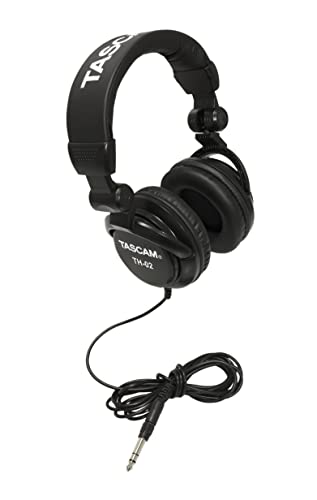
- Closed-back sound with rich bass and crisp highs
- Foldable design for easy transport
- Includes 1/8 to 1/4 inch adapter
Best For: Entry-level studio monitoring and recording
Budget-Friendly Studio Pick
PreSonus HD5 Professional Monitoring Headphones
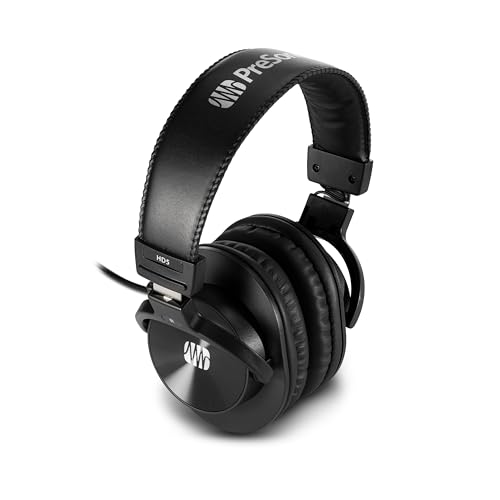
- Closed-back over-ear fit for noise isolation
- 50mm drivers with 15Hz-25kHz range
- 32-ohm wired design works with many devices
Best For: Home studios and private listening sessions
Balanced All-Rounder
Shure SRH440A Studio Headphones

- Accurate, transparent sound for monitoring
- Closed-back design with sound isolation
- Lightweight, foldable build with detachable cable
Best For: Recording, mixing, and critical listening
Studio Standard Choice
beyerdynamic DT 770 Pro 80 Ohm

- 80-ohm tuning for versatile studio monitoring
- Closed-back design helps reduce sound leakage
- Velour pads and 3m cable support long sessions
Best For: Vocal tracking, mixing, and mastering
Editor’s Pick – Audio-Technica ATH-M50x Studio Monitoring
For closed back headphones for studio monitoring, the Audio-Technica ATH-M50x remains a strong all-around choice thanks to its critically acclaimed tuning, punchy low end, and reliable isolation. Its 45mm drivers are built for clear detail across a wide frequency range, while the circumaural design helps block outside noise in busy rooms.
Best For: Producers and engineers who want a proven monitoring headphone with strong isolation and detachable cables.
Pros:
- Critically acclaimed sound with extended, accurate bass response
- 45mm drivers with rare earth magnets for detailed monitoring
- Closed-back, around-ear fit offers solid sound isolation
- 90-degree swiveling earcups support one-ear cueing
Cons:
- Wired only
- Not water resistant
Overall, the ATH-M50x is a dependable studio staple if you want a balanced mix of isolation, durability, and flexible cable options for everyday monitoring work.
Classic Workhorse – Sony MDR7506 Monitoring Headphones
The Sony MDR7506 is a long-running option in closed back headphones for studio monitoring, especially if you want a rugged, practical design with strong passive isolation. Its 40mm drivers and closed ear construction are aimed at detailed playback, and the foldable build makes it easy to pack for sessions or travel.
Best For: Studio users who want a reliable, foldable monitoring headphone with a long cable and included case.
Pros:
- Closed ear design helps reduce external noise
- 40mm drivers deliver detailed sound for monitoring
- Foldable construction and soft case make transport easier
- 9.8-foot cord and 1/4-inch adapter suit studio setups
Cons:
- Cord is not detachable
- 90-day warranty is shorter than some alternatives
For users who value a straightforward studio tool over extra features, the MDR7506 stays compelling because it focuses on isolation, durability, and practical monitoring essentials.
Budget Studio Pick – M-AUDIO HDH40 Closed-Back Headphones
If you need closed back headphones for studio monitoring without overcomplicating the setup, the M-AUDIO HDH40 is built around the basics: a closed-back design, 40mm neodymium drivers, and a secure wired connection. It also includes a long 2.7m cable and a 1/4″ adapter, which makes it easy to move between consumer devices and pro gear.
Best For: Budget-conscious creators who need a simple monitoring headphone for recording, podcasting, and general studio work.
Pros:
- 40mm neodymium drivers for studio monitoring and private listening
- Closed-back design with sound isolation
- 32 ohm impedance works with a wide range of devices
- 2.7m cable plus 1/4″ adapter for flexible connections
Cons:
- Fixed cable, so there is no detachable option
- Wired-only design
The HDH40 is a sensible entry-level monitoring choice if your priority is comfort, compatibility, and straightforward studio utility rather than premium extras.
Reference Choice – Sony MDR-M1 Studio Monitor Headphones
The Sony MDR-M1 is aimed squarely at closed back headphones for studio monitoring, with a closed acoustic structure, high sound isolation, and ultra-wideband playback from 5 Hz to 80 kHz. Sony also notes collaboration with industry engineers, which makes this model especially interesting for detailed production and reference listening.
Best For: Engineers and creators who want a lightweight reference headphone with wide playback and easy maintenance.
Pros:
- Closed acoustic structure provides effective sound isolation
- Ultra-wide playback from 5 Hz to 80 kHz
- Lightweight design at about 216 g for longer sessions
- Includes two detachable cables and replaceable earpads
Cons:
- Wired only
- Uses a screw-in cable connection, which may be less convenient for some users
For critical monitoring, the MDR-M1 stands out because it combines isolation, broad frequency coverage, and service-friendly design in a compact, lightweight package.
Mix-Ready Comfort – beyerdynamic DT 770 PRO 80 Ohm
If you want closed back headphones for studio monitoring with a balanced, professional feel, the DT 770 PRO 80 Ohm is built for recording and long sessions. Its enclosed design, high-resolution sound, and comfortable velour pads make it a strong pick when isolation and wearability both matter.
Best For: Recording, monitoring, and stage or studio use where comfort and durable construction matter.
Pros:
- Closed over-ear design supports focused monitoring.
- Soft, replaceable velour ear pads improve long-session comfort.
- Durable, hard-wearing build is made in Germany.
- Single-sided 3.0 m cable adds practical studio convenience.
Cons:
- Wired-only design may not suit mobile use.
- Large circumaural fit may feel bulky for casual listening.
Overall, this model is aimed squarely at serious studio users who want a reliable closed-back option for monitoring and recording. The combination of comfort, durability, and high-resolution sound makes it easy to recommend for long sessions.
Isolation Monitor Pick – Audio-Technica ATH-M40x
For closed back headphones for studio monitoring, the ATH-M40x focuses on isolation, durability, and practical studio features. The circumaural design helps block outside noise, while the swiveling earcups and detachable cables make it easier to work in fast-paced tracking or editing sessions.
Best For: Studio monitoring, tracking, and one-ear cueing when flexibility and isolation are priorities.
Pros:
- Circumaural closed-back design provides excellent sound isolation.
- 90-degree swiveling earcups support easy one-ear monitoring.
- Robust construction and pro-grade pads/headband add durability.
- Detachable cables improve studio convenience and replacement options.
Cons:
- Wired-only setup limits freedom of movement.
- Sound response is tuned for monitoring, not wireless casual use.
This is a practical studio tool if you need dependable isolation and a flexible fit during recording. The ATH-M40x stands out for its working-pro features rather than flashy extras.
Budget Studio Basic – TASCAM TH-02
If you need closed back headphones for studio monitoring without a lot of extras, the TASCAM TH-02 keeps things simple. Its closed-back dynamic design, padded fit, and included 1/4 inch adapter make it a straightforward option for recording, podcasting, DJ work, and music practice.
Best For: Entry-level monitoring, recording, and general studio use when value and simplicity matter.
Pros:
- Closed-back design delivers clean sound with rich bass and crisp highs.
- Foldable frame makes transport and storage easier.
- Padded headband and ear pads add comfort for everyday use.
- Includes snap-on 1/8″ to 1/4″ adapter for wider compatibility.
Cons:
- Plastic enclosure may feel less rugged than higher-end studio models.
- Basic feature set is aimed more at value than advanced monitoring.
The TH-02 is a sensible pick when you want a no-frills monitoring headphone that covers the basics. It offers useful studio compatibility and a comfortable foldable design at a simple, practical level.
Budget-Friendly Studio Pick – PreSonus HD5 Professional Monitoring Headphones
If you want closed back headphones for studio monitoring that stay simple and dependable, the PreSonus HD5 is a practical wired option. Its 50mm drivers, 15Hz-25kHz range, and 32-ohm design make it easy to use with audio interfaces, laptops, phones, and other everyday gear without needing extra power.
Best For: Home studios, entry-level recording, and private listening sessions where comfort and easy compatibility matter.
Pros:
- Closed-back, over-ear design helps with noise isolation during recording.
- 50mm neodymium drivers provide clear audio with strong bass.
- 32-ohm impedance works with a wide range of devices.
- 10-foot wired cable with a gold-plated 1/8-inch connector plus 1/4-inch adapter.
Cons:
- No active noise control features.
- Plastic enclosure may feel less premium than higher-end studio models.
The HD5 is a straightforward choice if you need closed back headphones for studio monitoring without overcomplicating your setup. It focuses on comfort, compatibility, and a clean wired signal path, which makes it a solid everyday tool for recording and monitoring tasks.
Balanced All-Rounder – Shure SRH440A Studio Headphones
The Shure SRH440A is a strong pick if you need closed back headphones for studio monitoring with a focus on accuracy and portability. It uses 40mm neodymium drivers, a 10 Hz to 22,000 Hz frequency range, and a closed-back over-ear build to help keep sound contained while giving you a detailed monitoring reference.
Best For: Recording, mixing, critical listening, and creators who want a lightweight collapsible headphone for studio work.
Pros:
- Accurate, transparent sound profile suited to monitoring and mixing.
- Closed-back, noise-isolating design helps reduce ambient sound.
- Lightweight build with cushioned earcups for long sessions.
- Collapsible design and detachable locking cable improve portability and durability.
Cons:
- Frequency response tops out at 22 kHz, which is narrower than some rivals.
- Designed for wired use only.
Overall, the SRH440A is a sensible studio headphone if you value an even, detailed sound and an easy-to-carry design. It fits well into recording and monitoring workflows where consistency and comfort are more important than extra features.
Studio Standard Choice – beyerdynamic DT 770 Pro 80 Ohm
For closed back headphones for studio monitoring, the beyerdynamic DT 770 Pro has long been a practical studio standard. The 80-ohm version is tuned for versatile studio use, with a balanced sound signature, closed-back construction for low leakage, and a 5 Hz to 35,000 Hz frequency range for detailed listening across recording and mixing tasks.
Best For: Vocal tracking, instrument recording, mixing, mastering, and long studio sessions.
Pros:
- 80-ohm tuning is positioned as the most versatile option for professional monitoring.
- Closed-back design minimizes sound leakage during tracking.
- Soft velour ear pads support comfort during long sessions.
- 3m straight cable and included 1/4-inch adapter suit studio setups.
Cons:
- 80-ohm impedance may be less convenient for weaker portable gear than lower-impedance models.
- Wired-only design limits flexibility away from a studio chain.
The DT 770 Pro stands out if you want a dependable monitoring headphone built around isolation, comfort, and serviceability. Its pro-focused design and long history in studios make it a strong fit when you need a no-nonsense tool for tracking and critical listening.
How We Picked the Best Closed Back Headphones for Studio Monitoring
We focused on closed-back models that are widely used for studio monitoring, with an emphasis on accurate tuning, strong isolation, durable build quality, and long-wear comfort. We also considered impedance, cable style, and how well each pair fits common monitoring tasks like tracking vocals, editing, and reference listening.
Quick Comparison
For fast decision-making, think in terms of use case: some models are tuned for more neutral monitoring, others are built for rugged everyday studio use, and a few lean toward comfort and value. If you want a safe all-rounder, look for balanced mids, controlled bass, and enough isolation to block click tracks and room noise without causing fatigue.
Key Buying Factors for Closed Back Headphones for Studio Monitoring
Sound Accuracy
For monitoring, you want headphones that reveal problems rather than make everything sound flattering. A controlled low end, clear mids, and smooth highs help you hear compression, EQ changes, sibilance, and edits more clearly.
Isolation and Leakage
Closed-back design matters because it limits sound bleed into microphones and reduces outside distractions. Better isolation is especially important for vocal tracking, drum sessions, and any live room work.
Comfort and Clamp
Studio sessions can run long, so weight, headband pressure, and ear pad material all matter. Comfortable Closed Back Headphones for Studio Monitoring should stay secure without feeling overly tight.
Impedance and Compatibility
Lower-impedance models are easier to drive from audio interfaces, mixers, and portable devices. Higher-impedance versions may benefit from stronger headphone amps, so match the headphone to your gear.
Build and Cable Practicality
Detachable cables, replaceable pads, and sturdy hinges can extend the life of a working studio pair. If you move between rooms or record on the go, portability and cable length may be worth prioritizing.
Who Should Buy Which Closed Back Headphones for Studio Monitoring?
If you need an affordable starter option, choose a value-focused model that still offers decent isolation and a balanced response. If you do regular tracking or editing, spend more for comfort and consistency. If you want a dependable reference pair for critical studio work, pick one of the more established monitor models with strong durability and proven tuning. For podcasting, home recording, and hybrid use, choose the pair that best balances isolation, comfort, and easy drivability from your interface.
Ultimately, the best choice depends on your workflow. The right pair of closed-back headphones should help you hear problems quickly, keep bleed under control, and stay comfortable through long sessions.
