Looking for a simple way to connect a PC, TV, or streamer to passive speakers? A desktop speaker amplifier with optical input gives you a cleaner digital connection and an easy upgrade path for better sound.
Below, we focus on compact, practical picks that balance power, inputs, and everyday usability for desks, bedrooms, and small home audio setups.
Best 10 Desktop Speaker Amplifier with Optical Input Picks for 2026
Editor’s Pick
Fosi Audio MC331 Tube Integrated Amp with DAC
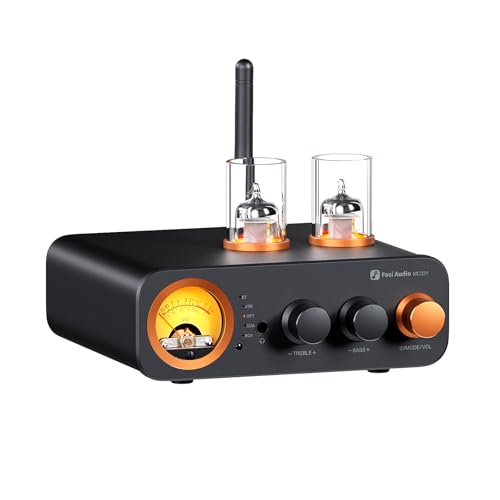
- All-in-one DAC, amp, preamp, and headphone output
- Optical, USB, coaxial, Bluetooth, and RCA inputs
- Compact 105W x2 desktop design with remote
Best For: A compact all-rounder for bookshelf speakers and mixed desktop listening
Value DAC
AIYIMA DAC-A2 Desktop Headphone Amp
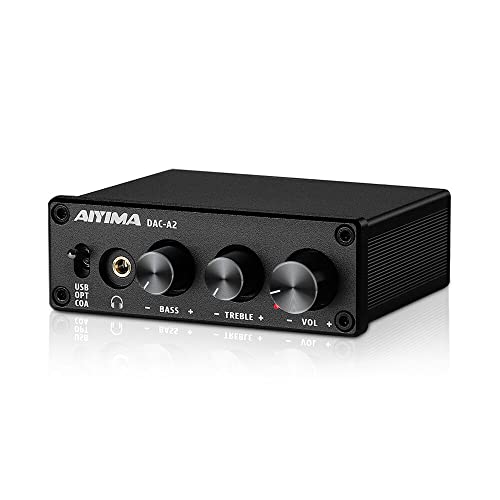
- Plug-and-play DAC with no drivers required
- Optical, coaxial, USB, RCA, and 3.5mm support
- Bass and treble knobs in a compact metal chassis
Best For: Simple desktop audio upgrades for headphones or active speakers
Most Versatile
Romica 450W Stereo Amp with Optical

- Optical, coaxial, RCA, USB, SD, Bluetooth, and AUX inputs
- Supports passive speakers plus an active subwoofer
- Bass, treble, and volume controls with remote
Best For: Flexible small-room audio with TV, PC, and karaoke support
Premium DAC
Fosi Audio ZD3 Balanced Desktop DAC Preamp

- Optical, coaxial, USB, Bluetooth, and HDMI ARC inputs
- Balanced XLR and RCA outputs for flexible system matching
- OLED display, remote, and preamp bypass included
Best For: High-end desktop or home stereo systems needing a balanced DAC preamp
DAC Upgrade

- USB, optical, and coaxial inputs
- RCA and 3.5 mm outputs for speakers or amps
- Bass/treble controls in a compact metal shell
Best For: PC and TV users who need optical DAC conversion
Multi-Source Receiver
BT-398A Stereo Amplifier with Optical Input

- Optical, coaxial, Bluetooth, USB, SD, AUX, and FM
- 2-channel amp for passive speakers with tone controls
- Dual mic inputs and remote for karaoke and casual use
Best For: Users who want one receiver for desk, music, and karaoke setups
Compact Hi-Res Desktop Pick
1Mii DeskRoar B75 Mini Bluetooth 6.0 Amplifier

- 50W x 2 stereo output for 4–16Ω speakers
- Optical, USB, AUX, and Bluetooth 6.0 inputs
- Includes cables and 24V power supply for easy setup
Best For: Small rooms, desks, and TV/PC setups needing optical input
Budget Multi-Input Receiver
T-398A Stereo Audio Amplifier with Optical

- RMS 60W x 2 compact class D amplifier
- Optical, coaxial, RCA, USB, SD, and Bluetooth 5.0 inputs
- Remote control plus treble and bass knobs
Best For: Budget buyers who want lots of inputs in a small amp
Feature-Packed Karaoke Amp
Romica AK55 Stereo Audio Amplifier with Optical

- Supports passive speakers plus an active subwoofer
- Optical, coaxial, RCA, AUX, USB, SD, Bluetooth, and mic inputs
- Bass, treble, and volume controls with remote included
Best For: Karaoke, home theater, and flexible speaker systems
Editor’s Pick – Fosi Audio MC331 Tube Integrated Amp with DAC
If you want a desktop speaker amplifier with optical input that does more than just power speakers, the Fosi Audio MC331 is built as an all-in-one hub. It combines a DAC, amplifier, preamp, and headphone amp in a compact chassis, with Bluetooth, USB, coaxial, optical, and RCA inputs for flexible desktop and hi-fi use.
Best For: Users who want one compact unit for bookshelf speakers, digital sources, and headphone listening.
Pros:
- All-in-one design includes DAC, amplifier, preamp, and headphone output.
- Supports optical, USB, coaxial, Bluetooth, and RCA inputs.
- Compact size with up to 105W x2 at 4Ω for bookshelf speakers.
- Remote control, bass/treble adjustment, and vintage VU meter styling.
Cons:
- Tubes are shipped randomly between 5725W and 6J1.
- Designed for 2-channel use rather than larger surround systems.
The MC331 is a practical pick if you want desktop-friendly performance with lots of source flexibility and a warmer visual presence. Its mix of optical input, pre-out, and headphone support makes it especially versatile for mixed listening setups.
Value DAC – AIYIMA DAC-A2 Desktop Headphone Amp
The AIYIMA DAC-A2 is a straightforward desktop speaker amplifier with optical input support when you need a simple way to upgrade PC, TV, or game audio. It works as a plug-and-play DAC and headphone amp, converting USB, optical, and coaxial signals to RCA or 3.5mm outputs without requiring drivers.
Best For: Budget-conscious users who want an easy desktop DAC amp for headphones or active speakers.
Pros:
- Plug-and-play setup with no drivers or software needed.
- Supports USB, optical, and coaxial inputs.
- Bass and treble knobs provide easy front-panel tone control.
- Compact metal build with output protection circuitry.
Cons:
- Output power is modest compared with full speaker amplifiers.
- Best suited to headphones and active speakers, not passive speaker setups.
This is a good fit if you mainly need optical input and basic tone control in a small desktop unit. It keeps the setup simple while still offering useful digital connectivity for everyday listening.
Most Versatile – Romica 450W Stereo Amp with Optical
If you need a desktop speaker amplifier with optical input and broad compatibility, the Romica BT-398A is built to handle a range of home audio tasks. It includes Bluetooth 5.0, USB, SD, RCA, optical, coaxial, mic, and AUX inputs, plus support for passive speakers and an active subwoofer.
Best For: Users who want a flexible stereo amplifier for speakers, TV audio, karaoke, or small home setups.
Pros:
- Supports optical, coaxial, RCA, USB, SD, Bluetooth, mic, and AUX input options.
- Works with passive speakers and an active subwoofer.
- Includes bass, treble, and volume controls plus remote control.
- Compact design with FM radio for extra listening options.
Cons:
- Peak power claims are much higher than the rated output.
- Best suited to small rooms and desktop-style systems rather than demanding hi-fi setups.
The BT-398A is a flexible choice if you want one box to cover more than just music playback. Its mix of optical connectivity, subwoofer support, and tone controls makes it easy to adapt to everyday home audio use.
Premium DAC – Fosi Audio ZD3 Balanced Desktop DAC Preamp
For a desktop speaker amplifier with optical input at the DAC/preamp stage, the Fosi Audio ZD3 is aimed at users building a more refined home audio chain. It supports Bluetooth, USB, optical, coaxial, and HDMI ARC inputs, then sends audio out through balanced XLR or RCA connections to a stereo amplifier or active system.
Best For: Listeners who want a feature-rich desktop DAC preamp with balanced outputs and HDMI ARC.
Pros:
- Supports optical, coaxial, USB, Bluetooth, and HDMI ARC inputs.
- Balanced XLR and RCA outputs add system flexibility.
- OLED display, remote control, and preamp bypass improve usability.
- High-end chipset design with support for very high-resolution audio.
Cons:
- It is a DAC preamp, not a power amplifier for passive speakers by itself.
- Best results depend on pairing it with a separate amplifier.
The ZD3 makes sense if you want an advanced front end for a desktop or living-room stereo chain. Its optical input is only part of the story, but the balanced outputs and HDMI ARC support make it especially adaptable.
Desktop Amplifier – M19 BT Mini Stereo Receiver with Optical Input
If you want a desktop speaker amplifier with optical input that can also handle a very flexible input mix, the M19 BT is built for exactly that kind of setup. It combines Bluetooth 5.3, optical, coaxial, RCA, and mic inputs in a compact aluminum body, making it practical for a PC desk, small home theater, or mixed speaker system.
Best For: Desk setups and compact home audio systems that need optical plus multiple wired and wireless inputs.
Pros:
- Optical, coaxial, RCA, Bluetooth, and 6.5 mm mic inputs in one mini amp
- Rated at 100W x2 with TI TPA3116D2 dual chips for stereo speaker driving
- Bass and treble knobs plus remote control for easy sound tuning
- Can connect to passive speakers and active speakers at the same time
Cons:
- Designed as a compact mini amplifier rather than a full-size receiver
- Power and speaker matching still matter for best results
Overall, this is a strong pick if your desktop audio needs center on optical connectivity and simple tone control in a small footprint. The M19 BT stands out more for its connection flexibility and practical controls than for being a bare-bones amp.
DAC Upgrade – Q4 Desktop DAC Headphone Amp
The Fosi Audio Q4 is a practical choice if you need a desktop speaker amplifier with optical input, but your main job is really DAC conversion and clean source switching. It takes USB, optical, and coaxial signals and outputs through RCA or 3.5 mm, so it fits well between a computer, TV, or player and powered speakers or an amplifier.
Best For: Users who want an affordable desktop DAC with optical input for speakers, headphones, or a stereo amp.
Pros:
- USB, optical, and coaxial inputs cover common desktop sources
- RCA and 3.5 mm outputs work with powered speakers or amplifiers
- Bass and treble knobs help fine-tune sound
- Compact metal build with plug-and-play setup
Cons:
- Not a speaker-driving amplifier on its own
- No microphone input
In a desktop chain, the Q4 makes the most sense as a simple, clean-sounding interface rather than a power amp. If your priority is optical input and easy connection to speakers or headphones, it offers a very straightforward setup.
Multi-Source Receiver – BT-398A Stereo Amplifier with Optical Input
The BT-398A is aimed at users who want a desktop speaker amplifier with optical input, but also need a lot of source options in one unit. Along with optical and coaxial input, it adds Bluetooth 5.0, USB, SD, FM radio, and AUX, making it a versatile fit for a home desk, small media room, or casual karaoke setup.
Best For: Multi-source home audio users who want optical input plus Bluetooth, USB, and FM in one receiver.
Pros:
- Optical, coaxial, Bluetooth, USB, SD, FM, and AUX inputs
- Designed for 2-channel passive speaker setups with bass and treble knobs
- Dual microphone interfaces and volume control for karaoke use
- Compact metal-body design with remote control
Cons:
- Bluetooth switching requires disconnecting before changing input modes
- Output claims and speaker compatibility details can make system planning more important
This model is best when source flexibility matters as much as optical input. If you want one receiver to handle desktop playback, radio, and occasional party use, the BT-398A offers a lot of functionality in a small chassis.
Compact Hi-Res Desktop Pick – 1Mii DeskRoar B75 Mini Bluetooth 6.0 Amplifier
If you want a desktop speaker amplifier with optical input for a TV, PC, or bookshelf setup, the 1Mii DeskRoar B75 keeps things simple and space-saving. It combines Bluetooth 6.0 with USB, optical, and AUX inputs, so it works well when you want both wireless streaming and a direct digital connection in a small audio system.
Best For: Desktop and small-room listeners who want a compact amp with optical, USB, and Bluetooth in one unit.
Pros:
- 50W x 2 output for 4–16Ω bookshelf and desktop speakers
- Bluetooth 6.0 for quicker pairing and stable wireless streaming
- Includes optical, USB, AUX, and Bluetooth input options
- Aluminum alloy shell and tactile volume knob for a clean desktop-friendly design
Cons:
- Best suited to small to medium spaces rather than larger rooms
- No mention of speaker outputs beyond standard 2.0 channel use
Overall, the B75 is a practical pick if you want straightforward digital connectivity and a compact footprint. The included cables and 24V power supply make setup easier, which is helpful for a desk, office, or simple TV audio upgrade.
Budget Multi-Input Receiver – T-398A Stereo Audio Amplifier with Optical
The T-398A is a budget-friendly desktop speaker amplifier with optical input if you need a compact 2-channel receiver for mixed sources. It adds Bluetooth 5.0 plus USB, SD, RCA, optical, and coaxial inputs, making it easy to connect a TV, computer, flash drive, or wireless device without much hassle.
Best For: Affordable home audio setups that need optical input plus a wide mix of source options.
Pros:
- Compact class D design with RMS 60W x 2 output
- Multiple inputs including optical, coaxial, RCA, USB, SD, and Bluetooth 5.0
- Remote control and treble/bass adjustment knobs
- LED display helps with quick status checks
Cons:
- USB flash drive support is limited to 64GB max
- Best described as compact rather than a high-power room-filling amp
For the price-focused buyer, the T-398A stands out because it covers a lot of connection needs in one small unit. If your priority is getting optical input along with flexible playback options, it is an easy model to consider for a bedroom, office, or apartment system.
Feature-Packed Karaoke Amp – Romica AK55 Stereo Audio Amplifier with Optical
If you need a desktop speaker amplifier with optical input and more flexibility for home entertainment, the Romica AK55 is built around a long list of sources. It supports Bluetooth 5.0, RCA, optical, coaxial, AUX, USB, SD, and microphone input, plus it is designed to work with passive speakers and an active subwoofer.
Best For: Home theater, karaoke, and mixed speaker setups that need optical input and subwoofer support.
Pros:
- 50W x 50W rated power with 500W+500W peak output claimed
- Supports passive speakers and an active subwoofer
- Very flexible input set including optical, coaxial, RCA, AUX, USB, SD, Bluetooth, and mic
- Bass, treble, and volume controls plus remote included
Cons:
- Best fit for users who want lots of features rather than a minimal desktop amp
- Bluetooth range notes depend on distance and wall clearance
The AK55 is the most versatile option here if you want one amplifier to cover TV audio, music, and karaoke-style use. Its controls and input list make it especially useful when you want to fine-tune sound and connect more than just a basic speaker pair.
How We Picked the Best Desktop Speaker Amplifier with Optical Input
We prioritized models that make sense on or near a desk: optical input support, useful output power for bookshelf or desktop speakers, straightforward controls, and a feature set that avoids unnecessary complexity. We also favored amps and DAC-amps that can handle common sources like TVs, PCs, game consoles, and Bluetooth audio.
Quick Comparison
For pure desktop listening, a DAC-amp or compact integrated amp is usually the best fit. If you want a fuller all-in-one unit, look for built-in tone controls, headphone output, and multiple digital inputs. Larger stereo receivers may offer more power and convenience features, but they often take up more space than most desk setups need.
Key Buying Factors for a Desktop Speaker Amplifier with Optical Input
Power and Speaker Match
Check the amp’s real-world output and match it to your speaker sensitivity and room size. Small desks and nearfield setups usually do well with modest power, while larger rooms or less efficient speakers benefit from more headroom.
Digital Input Quality
Optical input helps avoid noisy analog runs from TVs and computers. If you plan to use multiple devices, look for additional inputs such as coaxial, USB, RCA, or Bluetooth so you can switch sources without extra hardware.
Controls and Features
Tone controls, subwoofer output, and a headphone jack can make a compact system much more versatile. If you want simple signal paths, a cleaner DAC-amp may be better than a feature-heavy receiver.
Form Factor and Heat
A Desktop Speaker Amplifier with Optical Input should fit your space without running hot or cluttering the desk. Compact class D designs are often the easiest to place, while larger units may need better ventilation.
Who Should Buy Which Desktop Speaker Amplifier with Optical Input?
If you want the simplest desktop upgrade, choose a compact DAC-amp or mini integrated amplifier with optical in and basic tone controls. If you need more connectivity for TV, gaming, and music, pick a feature-rich stereo receiver with optical, coaxial, USB, and Bluetooth. If headphone use matters as much as speaker playback, prioritize a model with a dedicated headphone output and clean DAC section.
In short, the best choice depends on whether you value size, flexibility, or sound quality most. Start with your speaker needs, then choose the smallest amp that gives you the inputs and power you actually use.
