If you want cleaner volume control without adding an active gain stage, a stepped attenuator passive preamp can be a smart upgrade. It helps you fine-tune level matching while keeping the signal path simple.
Below, we focus on practical options for stereo systems, balanced rigs, desktop audio, and home theater use so you can choose the right volume controller for your setup.
Best 10 Stepped Attenuator Passive Preamp Picks for 2026
Balanced Passive Precision
Nobsound XLR Variable Audio Attenuator

- Pure passive XLR attenuation with no external power
- ALPS RK27 quad-gang pot for smooth channel balance
- Gold-plated terminals and ENIG PCB for signal integrity
Best For: Balanced hi-fi or studio systems needing transparent level control
Inline Pad Control
Alctron MA-123 XLR Attenuator Pad
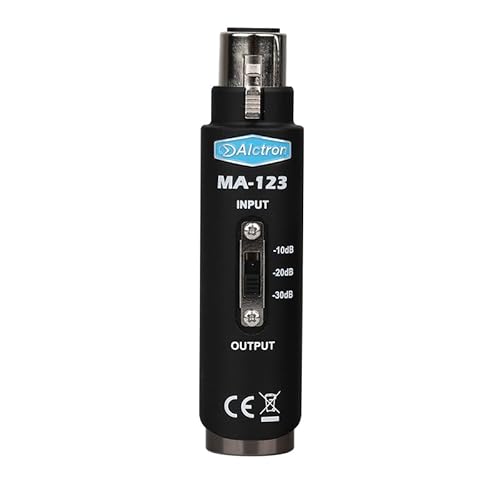
- Three pad settings: -10 dB, -20 dB, and -30 dB
- Passive inline XLR design with no power needed
- Phantom power pass-through for condenser mic setups
Best For: Hot microphones, wireless receivers, and clipping-prone balanced inputs
Clean RCA Control
Nobsound High Precision Passive Preamp

- Fully passive RCA volume control with no gain
- ALPS A50K dual pot for smooth adjustment
- Gold-plated OFC RCA connectors in aluminum chassis
Best For: Simple hi-fi systems with high-output RCA sources
Balanced Level Trim

- Fixed 20 dB balanced attenuation
- Passive inline XLR signal path
- Suited to recording, live sound, and monitoring
Best For: Users who need a fixed XLR pad for pro audio level control
Passive RCA Source Selector
HiFi RCA Passive Preamp Stereo Audio Preamplifier with Volume Control

- Passive RCA design with no power supply
- 2-in, 1-out source switching
- A10K potentiometer for volume control
Best For: simple source switching and passive level control in RCA-based systems
Balanced Passive Volume Controller
Nobsound Mini Fully-Balanced/Single-Ended Passive Preamp

- ALPS 09 quadruple fully-balanced potentiometer
- Balanced and single-ended mode switching
- Passive XLR/RCA control with no amplifying circuit
Best For: active monitor speakers and mixed balanced/unbalanced setups
Inline Six-Step Attenuator
RCA&AUX/1/4 1/8 Passive Stereo Inline Variable Audio Attenuator

- Six-step attenuation from 0 dB to -15 dB
- Passive inline design with no power supply
- RCA, AUX, TS, and TRS support
Best For: taming hot signals and matching levels in Hi-Z audio paths
Easy Inline Level Control
RCA Audio Volume Controller, RC11

- RCA analog input/output sockets
- No power supply needed
- Aluminium CNC chassis
Best For: Quick RCA volume adjustment in a compact, plug-and-play setup.
Passive Stereo Trimmer
C3r RCA Audio Volume Controller

- Passive preamp design
- 2x RCA input and output
- Solid aluminium case
Best For: Passive RCA stereo attenuation when you want no power supply and no gain.
Multi-Interface Attenuation Box
RCA AUX Inline Audio Attenuator
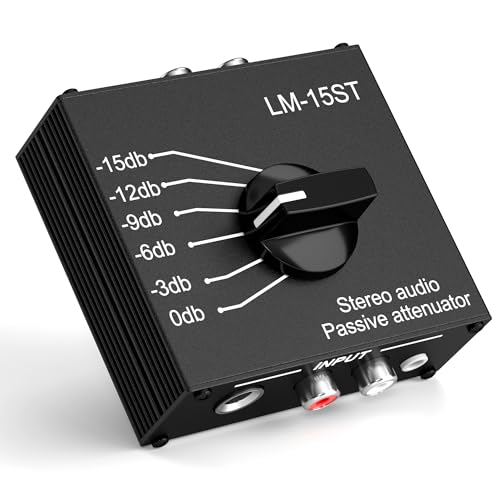
- 6 attenuation levels
- RCA, 3.5mm, and 6.35mm support
- Passive aluminum alloy design
Best For: Level matching across RCA, AUX, and 1/4-inch audio setups.
Balanced Passive Precision – Nobsound XLR Variable Audio Attenuator
If you need a stepped attenuator passive preamp-style solution for a balanced system, this Nobsound XLR attenuator is built for clean level trimming without adding gain or coloration. It’s aimed at setups where a strong source can overload the next component, and where you want transparent signal control through a passive path.
Best For: Audiophiles and studio users who need balanced XLR attenuation with a focus on transparency and channel balance.
Pros:
- Pure passive design with no external power and no gain circuitry
- ALPS RK27 quad-gang potentiometer for smooth, balanced volume control
- Gold-plated XLR terminals and ENIG PCB for a durable signal path
- Helps reduce hot signals without compression or signal coloration
Cons:
- Only suited to balanced XLR systems, not RCA-based setups
- Uses a potentiometer rather than a true stepped attenuator
- Best when you already have enough source level and want attenuation, not amplification
Overall, this is a practical pick for critical listening chains where preserving the original sound matters more than adding features. It’s a straightforward passive tool for fixing level mismatch in a transparent way.
Inline Pad Control – Alctron MA-123 XLR Attenuator Pad
The Alctron MA-123 is a practical stepped attenuator passive preamp alternative when your real need is simply to knock down an overly hot XLR signal. With -10 dB, -20 dB, and -30 dB options, it’s designed to protect preamps, interfaces, and mixers from clipping while keeping the path passive and clean.
Best For: Engineers and musicians who need an inline XLR pad for taming hot mics or line-level devices.
Pros:
- Three selectable attenuation levels: -10 dB, -20 dB, and -30 dB
- Passive operation with no batteries or external power required
- Phantom power pass-through for compatible condenser microphone use
- Compact metal housing for studio, stage, and broadcast setups
Cons:
- Only reduces level; it does not function as a full preamp
- Designed for balanced XLR use, so it won’t fit RCA chains
- Not intended for tonal shaping, just clean attenuation
This is a simple gain-staging fix for sources that arrive too hot at the input. If you need less level without changing the character of the signal, the MA-123 keeps the job focused and straightforward.
Clean RCA Control – Nobsound High Precision Passive Preamp
This Nobsound passive preamp is a good fit when you want a stepped attenuator passive preamp-style control solution for RCA systems without adding gain or extra circuitry. It’s designed for sources like DACs, CD players, and PC sound cards that already have enough output and need a simple, transparent volume knob.
Best For: RCA-based hi-fi setups with strong source output and a need for simple, transparent volume control.
Pros:
- Fully passive design with no built-in gain
- ALPS A50K dual potentiometer for smooth, precise volume control
- Gold-plated RCA connectors made from oxygen-free copper
- Compact CNC-machined aluminum chassis for easy system integration
Cons:
- Uses a standard potentiometer, not a stepped attenuator
- RCA-only design limits use in balanced systems
- Works best when the source already has strong output
For users who value a neutral signal path and straightforward control, this is an easy way to manage volume in a simple hi-fi chain. It keeps the focus on passive transparency rather than added features.
Balanced Level Trim – MCM 20dB XLR Attenuator
The MCM 20dB Balanced XLR Attenuator is a straightforward inline solution when you need a stepped attenuator passive preamp-type fix for a balanced signal path. It’s designed to reduce level by 20 dB in studio, monitoring, or live sound applications where the goal is simply to prevent overload and keep gain staging under control.
Best For: Studio and live audio users who need a fixed 20 dB balanced XLR pad.
Pros:
- Fixed 20 dB balanced attenuation for predictable level reduction
- Inline XLR connectivity for pro audio signal chains
- Passive approach keeps the setup simple
- Useful for recording, live sound reinforcement, and studio monitoring
Cons:
- Fixed attenuation only, with no selectable pad levels
- No volume knob or broader preamp features
- Best for balanced XLR workflows only
If your system needs one reliable amount of attenuation rather than adjustable control, this unit keeps things uncomplicated. It’s best treated as a practical gain-staging tool rather than a full preamp replacement.
Passive RCA Source Selector – HiFi RCA Passive Preamp Stereo Audio Preamplifier with Volume Control
If you want a stepped attenuator passive preamp-style box for simple system control, the FV2 is built around a passive RCA layout with volume adjustment and source switching. It is designed for 2-way input selection into 1 output, with no gain stage and no power supply required.
Best For: Users who need a compact passive RCA preamp for switching between two sources and trimming level before a power amp, active speakers, or monitor audio gear.
Pros:
- Passive design with no external power supply
- 2-in, 1-out RCA source selection with simple switching
- High-precision volume adjustment using an A10K potentiometer
- No gain design aimed at lossless signal handling
Cons:
- RCA-only layout limits connection flexibility
- No amplification, so it cannot boost low-output sources
- Best suited to systems that already match well in level
The FV2 is a straightforward passive control box rather than a feature-heavy preamp, so it makes the most sense when you want source selection and level trimming without changing the signal path much. If that is your goal, it is a practical, low-complexity option.
Balanced Passive Volume Controller – Nobsound Mini Fully-Balanced/Single-Ended Passive Preamp
This stepped attenuator passive preamp option is aimed at users who need a compact volume controller with both balanced and single-ended connections. It uses passive circuitry only, so it will not add gain or alter the timbre, making it a clean inline control point for active monitor setups.
Best For: Active monitor speaker owners who want a passive XLR/RCA volume controller with balanced and single-ended switching.
Pros:
- Uses an ALPS 09 quadruple fully-balanced potentiometer
- Supports both fully-balanced and single-ended audio modes
- Includes NEUTRIK XLR and Pro-Singnal RCA connectors
- Passive design with no amplifying circuit
Cons:
- No gain, so it cannot raise signal level
- Primarily focused on active monitor-style use cases
- Very compact size may limit front-panel control space
For buyers who value connection flexibility and a truly passive signal path, this Nobsound unit is the most versatile of the three. Its balanced and single-ended switching makes it especially useful when you need one small controller for different studio or desktop setups.
Inline Six-Step Attenuator – RCA&AUX/1/4 1/8 Passive Stereo Inline Variable Audio Attenuator
For a stepped attenuator passive preamp function in a simple inline box, this SIUNIMAS attenuator focuses on reducing signal level rather than switching sources. It is a passive stereo attenuation device with multiple connector types, making it easy to insert into a Hi-Z audio path when you need fixed level cuts.
Best For: Users who need a passive inline attenuator to tame hot signals and balance levels across home theater or live audio gear.
Pros:
- Six attenuation levels from 0 dB to -15 dB
- Passive design requires no external power supply
- Supports RCA, AUX, TS, and TRS connections
- Compact aluminum alloy enclosure
Cons:
- Attenuation-only design, not a full preamp with switching
- Best fit for Hi-Z paths rather than every setup
- Limited to the listed step values for level control
This is the most specialized option here, and it makes sense when your main problem is signal level mismatch rather than input selection. If you want a simple passive tool for dialing down volume in fixed steps, it is a practical choice.
Easy Inline Level Control – RCA Audio Volume Controller, RC11
TENEALAY RCA Audio Volume Controller, line Volume Control Box, Mini attenuator knob -RC11
Check Price On AmazonIf you’re looking for a simple stepped attenuator passive preamp-style volume control for an RCA analog setup, this RC11 box keeps things straightforward: plug it in, then adjust level up or down without adding amplification. It’s a practical choice when you want manual volume trimming in a compact, no-power design.
Best For: Quick RCA volume adjustment in a compact, plug-and-play setup.
Pros:
- No power supply needed
- RCA analog input and output sockets
- Provides direct volume control with no amplification function
- Aluminium CNC chassis for a durable, clean finish
Cons:
- Only works with RCA analog connections
- Does not provide gain
This is a no-frills inline controller for users who just want easy level adjustment in a simple analog signal path. The metal enclosure and plug-and-play design make it easy to drop into a home audio chain.
Passive Stereo Trimmer – C3r RCA Audio Volume Controller
SOLUPEAK C3r RCA Stereo Audio Volume Controller, AUX Audio attenuator Passive Preamp
Check Price On AmazonThis stepped attenuator passive preamp option is built for straightforward stereo level control without changing the signal with gain. The C3r uses a passive design with RCA input and output pairs, making it a simple inline solution for reducing volume in a hi-fi setup.
Best For: Passive RCA stereo attenuation when you want no power supply and no gain.
Pros:
- Passive preamp design with no power supply required
- 2x RCA input and 2x RCA output
- No gain, with no sound quality loss claimed in the notes
- Solid aluminium case with gold-plated RCA connectors
Cons:
- Limited to RCA connections
- Not intended for adding gain
If your goal is simple attenuation rather than amplification, this unit fits that use case well. Its compact aluminium build and passive operation make it a clean, low-complexity choice for stereo systems.
Multi-Interface Attenuation Box – RCA AUX Inline Audio Attenuator
For buyers comparing a stepped attenuator passive preamp in a more flexible format, this inline attenuator is designed to reduce signal across several common connections. It offers six attenuation levels and supports RCA, 3.5mm AUX, and 6.35mm TS/TRS, making it useful when you need to match levels between different audio gear.
Best For: Level matching across RCA, AUX, and 1/4-inch audio setups.
Pros:
- 6 attenuation levels from 0dB to -15dB
- Supports RCA, 3.5mm, and 6.35mm connections
- Passive design requires no external power or batteries
- Aluminum alloy shell for durability and shielding
Cons:
- Designed for attenuation only, not gain
- Level options are fixed to six steps
This model stands out if you need broader interface compatibility rather than a purely RCA-only box. The stepped attenuation and passive construction make it a practical tool for preventing overload and balancing sensitive audio inputs.
How We Picked These Stepped Attenuator Passive Preamp Options
We focused on products that solve real setup problems: better level control, simpler signal routing, and compatibility with common inputs and outputs like RCA, XLR, AUX, and 1/4-inch connections. We also looked for models suited to passive use, since a Stepped Attenuator Passive Preamp should preserve signal quality while avoiding unnecessary coloration.
Quick Comparison
Balanced XLR models are the best fit for desktop monitors and systems that benefit from noise rejection. RCA-based controllers are a stronger match for traditional Hi-Fi stacks, compact speaker setups, and media rooms. Inline attenuators are useful when you only need to tame a hot signal or match levels between components, while switchable preamp-style boxes make more sense if you want flexible source selection.
Key Buying Factors for a Stepped Attenuator Passive Preamp
Connection Type
Start with your source and destination. If your gear is fully balanced, choose XLR. If you run a standard stereo system, RCA is usually enough. For portable or mixed-use setups, AUX, 1/4-inch, and 1/8-inch support can be helpful.
Attenuation Range and Control Style
Some units offer fixed pad values, while others provide variable control. A stepped design can give more repeatable adjustments, while a smooth knob may be better for day-to-day listening. Pick the one that matches how precisely you want to set volume.
System Gain Matching
The best passive controller is the one that works with your actual gain structure. If your amplifier or powered monitors run hot, an attenuator can reduce sensitivity and give you a more usable volume range. If your source is already low output, avoid overly aggressive attenuation that could leave you short on headroom.
Build Quality and Channel Balance
Look for solid connectors, stable knobs, and good channel tracking, especially at lower listening levels. Balanced designs and quality potentiometers can improve consistency, which matters in any Stepped Attenuator Passive Preamp used for critical listening.
Who Should Buy Which Stepped Attenuator Passive Preamp?
Choose a balanced XLR model if you want the cleanest setup for active monitors or pro-style audio gear. Choose an RCA volume controller if you need a simple Hi-Fi or home theater solution. Choose an inline attenuator if your main goal is to reduce output from a single source or fix a mismatch without changing your whole chain.
If you want flexibility, source switching, and everyday usability, a passive preamp-style control box is the most versatile option. If you want the shortest signal path and the least complexity, a dedicated attenuator is usually the better buy.
