Last updated on September 30th, 2026
Great vocals need more than prominent mids. An IEM should keep voices intelligible without making sibilance sharp, bass distracting, or long sessions tiring.
These 10 options span affordable everyday earphones and purpose-built monitors. The right choice depends on whether you prioritize listening enjoyment, stage isolation, or a secure fit.
Best 10 Iems for Vocals Picks for 2026
Warm Vocal Pick

- Rich, full-bodied vocals
- Punchy bass and smooth highs
- Detachable cable; claimed 36 dB isolation
Best For: Warm, vocal-centric everyday listening
Stage Accessory Pick

- Clear midrange with full bass
- Secure earhook fit
- Multiple tips and stage accessories
Best For: Vocal monitoring with useful stage accessories
Tuning Flexibility Pick

- Two swappable nozzle tunings
- Hybrid three-driver design
- Metal shells and detachable cable
Best For: Listeners who like adjusting tuning across uses
Bright Detail Pick

- Five-driver hybrid design
- Bright detail and dynamic bass
- Detachable cable; claimed 26 dB isolation
Best For: Energetic listening with clear detail
Vocal-Focused Tuning

- Natural-mid, relaxed vocal tuning
- One dynamic and two balanced-armature drivers
- Replaceable 3.5 mm cable
Best For: Warm listening to vocal-led, jazz, and acoustic music
Lightweight Stage Option

- 2.3 g per earpiece
- Ear fins and over-ear hooks
- Detachable two-pin cable
Best For: Lightweight, secure wired listening for singers and musicians
Neutral Performance Pick
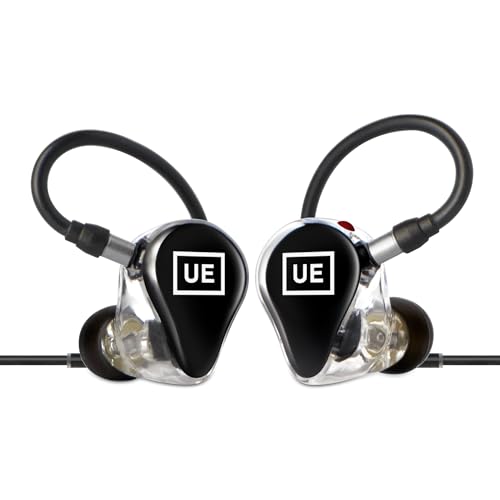
- Neutral single-driver tuning
- Secure Perform Fit design
- Right-side marker for dark stages
Best For: Neutral vocal monitoring during rehearsals and performances
Detail-Focused Pick

- 10 mm dynamic driver
- Replaceable nozzle filters
- Detachable 3.5 mm cable
Best For: Vocal detail and easy filter replacement
Comfort-Minded Pick

- Lightweight ergonomic fit
- Vocal-and-music separation
- Detachable tangle-resistant cable
Best For: Longer listening sessions and secure wear
Hybrid-Driver Pick
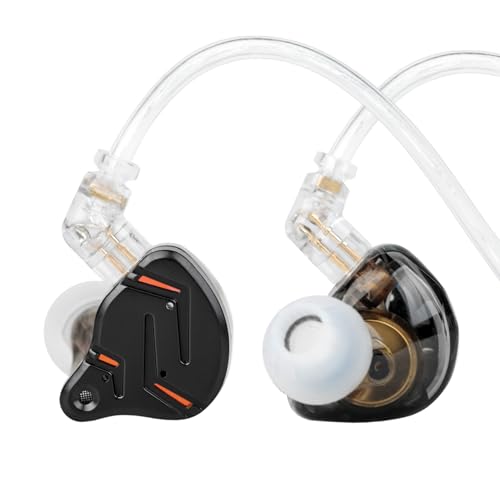
- 1BA/1DD hybrid drivers
- Vocal-focused balanced armature
- Secure over-ear fit
Best For: Vocals with a stronger bass foundation
Warm Vocal Pick – Tipsy M1
If you want iems for vocals with a full, relaxed presentation, the Tipsy M1 is tuned for rich voices, punchy bass, and smooth highs. Its single bamboo-fiber dynamic driver is a straightforward choice for vocal-centric music and everyday listening.
Best For: Listeners who prefer warm vocals and controlled bass for pop, R&B, hip-hop, and rock.
Pros:
- Full-bodied lower mids help vocals sound rich.
- Smooth highs are intended for longer, less fatiguing sessions.
- Ergonomic resin shells provide a secure fit and up to 36 dB of claimed passive isolation.
- Detachable 0.78 mm 2-pin cable is replaceable.
Cons:
- Warm, bass-forward tuning may not suit listeners seeking a leaner vocal presentation.
- No microphone on this version.
The M1 makes the most sense when vocal body and comfort matter more than a bright, analytical sound. Its seal will affect both bass and isolation, so take time to find the right ear tips.
The BASN Bmaster is worth considering among iems for vocals if you need clear midrange alongside practical stage accessories. Its listed sound profile pairs a full low end with clear mids and detailed treble, while the earhook cable helps keep the earpieces in place.
Best For: Performers and practice-room users who want a secure fit and a generous accessory kit.
Pros:
- Clear midrange supports vocal monitoring.
- Earhook design and sound-isolating fit suit live use.
- Includes silicone and memory-foam ear tips, a case, a 6.3 mm adapter, a cable clip, and a cleaning tool.
- Detachable 2-pin cable can be replaced.
Cons:
- Full low frequencies may be more than vocal-only listeners want.
- Isolation depends on getting a good ear-tip seal.
The Bmaster stands out for its fit options and useful extras rather than a vocals-only tuning. Try both included tip types to balance vocal clarity, bass, and isolation.
For shoppers comparing iems for vocals who also want room to experiment, the SIMGOT EW300 offers two replaceable nozzle tunings. Its dynamic, planar, and piezoelectric drivers are paired with a sturdy metal shell and a detachable 0.78 mm 2-pin cable.
Best For: Listeners who want to switch sound profiles for music, video, and gaming.
Pros:
- Two included nozzle styles offer different tuning choices.
- Hybrid three-driver setup is designed for detailed reproduction of instruments and vocals.
- CNC-machined metal shells and a detachable silver-plated copper cable.
Cons:
- Finding your preferred vocal balance may require swapping nozzles.
- The gold-copper nozzle with purple ring is specifically tuned for gaming rather than dedicated vocal monitoring.
The EW300 is the flexible option here: start with the music tuning for vocals, then compare the alternate nozzles if you also use your IEMs for games or video.
The KZ ZS10 Pro is an option among iems for vocals if you prefer an energetic, detailed sound over a warm presentation. Four balanced armatures and one dynamic driver per earpiece deliver the described bright resolution and dynamic lows, with dedicated armatures for the mids.
Best For: Listeners who enjoy lively detail and bass alongside vocal tracks.
Pros:
- Dedicated midrange balanced armatures are part of the five-driver hybrid layout.
- Bright, detailed presentation with dynamic low frequencies.
- Ergonomic resin shells with stainless-steel faceplates and a detachable cable.
- Rated for up to 26 dB of sound isolation.
Cons:
- Bright tuning may not appeal to listeners seeking smooth, relaxed vocals.
- Included cable appearance may vary; this version has no microphone.
Choose the ZS10 Pro for an animated listen rather than a mellow vocal spotlight. Fit and ear-tip seal remain important for its bass response and isolation.
Vocal-Focused Tuning – FiiO FH3 LUMI
For listeners comparing IEMs for vocals, the FiiO FH3 LUMI is tuned around natural mids and smooth vocal presentation. Its one-dynamic, two-balanced-armature driver setup pairs a cashmere-wood fiber diaphragm with a detachable cable.
Best For: Vocal-led music, jazz, and acoustic recordings when you prefer a warm, relaxed sound.
Pros:
- Vocal-focused tuning emphasizes natural mids and rich textures.
- Designed to control sharp high-frequency peaks for smoother listening.
- Detachable cable can be replaced or upgraded.
Cons:
- Warm, relaxed tuning may not suit listeners seeking a more analytical presentation.
- Wired 3.5 mm connection requires a compatible source or adapter.
Choose the FH3 LUMI if enjoyable vocal playback matters more to you than a strictly neutral monitor sound.
The CCZ Yinyoo Melody is a lightweight wired option for shoppers considering IEMs for vocals in rehearsals or on stage. It combines one dynamic and one balanced-armature driver with ear fins, over-ear cable routing, and three pairs of tips to help you find a stable fit.
Best For: Singers or musicians who want a lightweight, secure-fitting wired IEM.
Pros:
- Each earpiece is listed at just 2.3 g.
- Soft ear fins and over-ear hooks are designed to help keep the fit stable.
- Detachable two-pin cable and included tips add practical flexibility.
Cons:
- This listed version has no microphone.
- Its described bright, bass-forward sound may not suit someone seeking neutral vocal monitoring.
The Melody makes the strongest case on fit and everyday practicality; consider its sound description before choosing it for critical vocal work.
For performers looking at IEMs for vocals, the Ultimate Ears Pro UE 150 prioritizes accurate monitoring over a boosted sound. Its single dynamic driver is described as neutral, while the Perform Fit design aims for a secure seal during long rehearsals and performances.
Best For: Working musicians who want neutral wired monitoring and a performance-oriented fit.
Pros:
- Single dynamic driver is designed for uncolored frequency response.
- Perform Fit design aims to stay comfortable through extended sessions.
- Red right-side marker is easy to identify in dark stage conditions.
- Includes a protective case.
Cons:
- Neutral tuning may not appeal to listeners who prefer added warmth or bass.
- Not water resistant.
If hearing vocals without intentional emphasis is your priority, the UE 150 is the clearest monitoring-focused choice of these three.
Detail-Focused Pick – Moondrop CHU II
Moondrop CHU II High Performance Dynamic Driver IEMs Interchangeable Cable in-Ear Headphone
Check Price On AmazonIf you’re comparing iems for vocals, the wired Moondrop CHU II is worth considering for its 10 mm dynamic driver, low-distortion design, and replaceable acoustic filters. Its alloy-cast shell and brass nozzle are practical touches for a frequently used pair.
Best For: Listeners who want vocal detail and a serviceable wired design.
Pros:
- Aluminum-magnesium alloy dome diaphragm is designed to reveal subtle detail.
- Detachable cable and replaceable nozzle filters make upkeep easier.
- Includes ear tips and a protective case.
Cons:
- No active noise control.
- Not water resistant.
The CHU II is the straightforward choice here if detail and replaceable parts matter more to you than extra features. It uses a standard 3.5 mm wired connection.
Comfort-Minded Pick – CCA CRA
For shoppers seeking iems for vocals that stay comfortable through longer sessions, the CCA CRA pairs a lightweight ergonomic shell with an over-ear memory hook. Its dual-magnetic dynamic driver is described as separating vocals from the backing music, while the wired 3.5 mm connection suits compatible audio gear.
Best For: Singers and listeners who prioritize a stable fit and vocal separation.
Pros:
- Ergonomic shell and memory hook support a secure, comfortable fit.
- Driver design emphasizes separation between vocals and music.
- Detachable, tangle-resistant cable.
Cons:
- Requires a 3.5 mm jack or compatible adapter.
- Its stated deep-bass presentation may not suit listeners seeking minimal bass.
The CRA is a practical fit-focused option for monitoring or everyday listening. If your source lacks a headphone jack, account for an adapter before buying.
Hybrid-Driver Pick – KZ ZST PRO X
If you want iems for vocals with a fuller low-end foundation, the KZ ZST PRO X combines a balanced armature aimed at mid-to-high-range vocal detail with a dynamic driver tuned for bass. Its over-ear cable design is intended to keep the shells stable during longer sessions.
Best For: Listeners who want vocal detail alongside pronounced bass.
Pros:
- Hybrid 1BA/1DD driver layout assigns vocal detail and bass to different drivers.
- Ergonomic over-ear design supports a secure fit.
- Detachable cable and sound-isolating in-ear fit.
Cons:
- This Black Gold listing is the version without a microphone.
- Bass-focused tuning may not appeal to listeners seeking a leaner presentation.
Choose this model when you want vocals to have presence without giving up bass impact. Check the connection you need before ordering, as the supplied details list both 3.5 mm and USB-C.
How We Picked These Iems for Vocals
We considered each model’s stated driver design, intended tuning, fit features, detachable-cable options, and likely use case. For vocals, the key questions are whether voices remain easy to follow, bass leaves room for them, and upper frequencies avoid excessive sharpness. Product specifications cannot establish sound quality on their own, so treat driver counts and tuning claims as starting points rather than guarantees.
Quick Comparison
For a simple, lower-cost starting point, look at the Moondrop CHU II or CCA CRA. The Tipsy M1 and FiiO FH3 LUMI are worth considering if a warmer or explicitly vocal-oriented presentation appeals to you. The SIMGOT EW300, BASN Bmaster, KZ ZS10 Pro, CCZ Yinyoo Melody, and KZ ZST PRO X offer different multi-driver or hybrid approaches; compare their fit and tuning priorities rather than assuming more drivers mean clearer singing. The Ultimate Ears Pro UE 150 is the most directly monitoring-oriented option in this selection. Check current prices and included accessories before deciding.
Key Buying Factors for Iems for Vocals
Vocal Balance and Treble Comfort
Clear vocals need an audible midrange, controlled bass, and enough treble to reveal consonants without exaggerating “s” sounds. If you listen to speech, acoustic music, or vocal-heavy pop, avoid choosing solely by a promise of deep bass. A warmer tuning may be easier on the ears; a brighter one may reveal more detail but can become fatiguing.
Seal, Fit, and Isolation
The right ear tips matter as much as the earphones. A poor seal reduces bass, changes perceived vocal balance, and lets outside noise compete with the music. Try different tip sizes and allow time to assess comfort. For stage or rehearsal use, prioritize a stable fit and useful passive isolation; no quoted isolation figure will apply equally to every ear.
Cables and Practical Compatibility
A detachable cable makes replacement easier, but connector types vary. Check whether a model uses 2-pin connectors and confirm the exact fit before buying a spare. Also check the plug against your phone, interface, or monitor pack; many modern phones need a suitable adapter. Ear fins or over-ear cable routing may help keep IEMs secure while moving.
Who Should Buy Which Iems for Vocals?
Casual vocal listeners: Start with the CHU II if you want a straightforward single-driver option, or compare it with the CCA CRA if bass weight is a priority. Listeners seeking a warmer presentation: Consider the Tipsy M1 or FH3 LUMI, then check whether their fit and price suit you. Hybrid-driver shoppers: Compare the EW300, Bmaster, ZS10 Pro, Melody, and ZST PRO X on comfort and tonal preference—not driver count alone. Performers: Consider the UE 150 alongside models with secure over-ear fits, and make isolation, reliability, and compatibility with your monitoring setup the deciding factors.
