Stable humidity can help protect wood instruments, reduce tuning swings, and make long sessions more comfortable. The best setup depends on whether you need direct instrument protection, room-wide moisture, or both.
Below, we’ve rounded up 10 practical options for home studios, from compact instrument humidifier kits to quieter room humidifiers built for recording spaces.
Best 10 Instrument Humidifiers for Home Studios Picks for 2026
Compact Case Humidity Control
Boveda 49% Instrument Humidifier Kit

- 2-way 49% RH control for case storage
- No water, hoses, or sponge filling
- Includes holder for small instruments
Best For: Small wooden instruments stored in cases
Smart Quiet Room Humidification
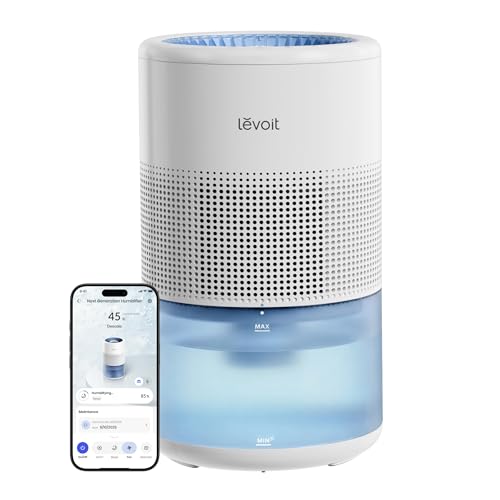
- 19dB evaporative humidification with no white dust
- 4.5L tank runs up to 40 hours
- App and voice control with humidity sensor
Best For: Quiet room humidity control in larger home studios
Ultra-Small Case Insert
D'Addario Small Instrument Humidifier

- Tiny case-friendly sponge humidifier
- Releases moisture slowly and evenly
- Made for smaller acoustic, bowed, and woodwind instruments
Best For: Compact case humidification for small instruments
Large Room Humidity Balance
Levoit Superior Studio Non-Smart

- Quiet 19dB evaporative operation
- Covers up to 600 ft² with 40-hour runtime
- Self-cleaning design with dishwasher-safe parts
Best For: Room-wide humidity in larger home studios
Quiet Room Humidifier Set
MEGAWISE 3.5L Top-Fill for Home Studios
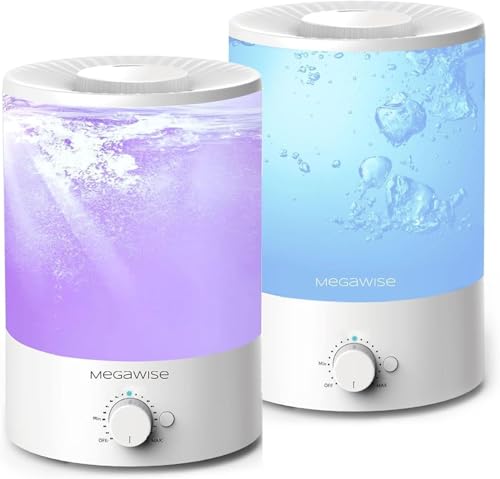
- 3.5L tank for longer runtime
- Top-fill design with no-leak construction
- Quiet operation with adjustable mist
Best For: Home studio users wanting a quiet, room-level humidity boost
Case Humidity Control Kit
Boveda 49% for Large Instruments

- 2-way humidity control for cases
- Made for large wood instruments
- Simple setup with fabric holders
Best For: Case storage for larger wood instruments
Studio Climate Control
DREO 6L Smart Warm & Cool Mist Humidifier
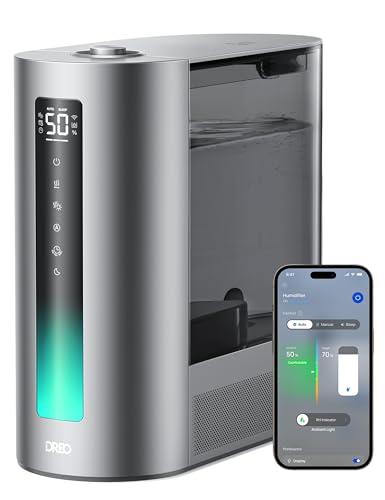
- Fast warm or cool mist output in about 5 minutes
- 6L tank covers up to 550 ft² for larger spaces
- App control tracks humidity trends and cleaning reminders
Best For: Home studios that need smart, high-capacity humidity control
Compact Room Comfort
Frida Baby 3-in-1 Cool Mist Humidifier

- Up to 60-hour runtime reduces refill frequency
- Top-fill design makes filling and cleaning easier
- Whisper-quiet, filter-free, and auto shut-off included
Best For: Small home studios and quiet multi-use rooms
Quiet Smart Humidity

- Ultra-quiet 28 dB operation suits recording spaces
- 6L tank provides up to 60 hours of runtime
- App, voice, and Alexa control add convenience
Best For: Quiet home studios needing long runtime and remote control
Compact Case Humidity Control – Boveda 49% Instrument Humidifier Kit
If you need instrument humidifiers for home studios that are simple and low-maintenance, this Boveda starter kit is built for small wood instruments in a case. It uses a 2-way humidity control pack to help keep the case environment in the ideal 45–55% RH range without wet sponges or constant checking.
Best For: Players who want an easy humidity solution for ukulele, violin, mandolin, clarinet, oboe, banjo, or electric guitar/bass storage.
Pros:
- Automatic 2-way humidity control helps stabilize case moisture.
- No filling, wetting hoses, or sponge maintenance required.
- Starter kit includes a protective fabric holder.
- Designed for small fretted, bowed, and woodwind instruments.
Cons:
- Pack replacement is needed about every 3 months.
- Meant for case use rather than room-wide humidification.
- Must use the included holder and not mix RH ratings.
For a studio instrument kept in a case, this is one of the simplest ways to manage humidity with minimal upkeep. It is a better fit when you want precision and convenience more than a large-room unit.
Smart Quiet Room Humidification – Levoit Superior Studio Smart
For instrument humidifiers for home studios where you also want whole-room comfort, this Levoit evaporative model adds quiet output and smart control. Its evaporative design avoids white dust, and the built-in sensor can help maintain balanced humidity without over-humidifying the space.
Best For: Larger home studios, bedrooms, or practice rooms where quiet, monitored humidification matters.
Pros:
- Evaporative operation produces pure water vapor with no white dust.
- Ultra-quiet 19dB operation suits recording or practice spaces.
- 4.5L tank and 40-hour runtime reduce refill frequency.
- Smart control via VeSync app or voice assistants.
Cons:
- Bulkier than a simple case humidifier.
- Best suited to room-level use, not inside an instrument case.
- Uses a wick filter that will need periodic care and washing.
This is the most studio-friendly option here if you need to manage the air in the room rather than just one case. It balances convenience, low noise, and automated humidity control well for musicians.
Ultra-Small Case Insert – D'Addario Small Instrument Humidifier
If you want instrument humidifiers for home studios that disappear into the case, this D’Addario small instrument humidifier is a straightforward sponge-style choice. Its tiny size is meant for smaller acoustic, bowed, and woodwind instruments, and it releases moisture slowly and evenly.
Best For: Musicians who want a very compact, no-frills humidifier for small instrument cases.
Pros:
- Small size fits in almost any case.
- Slow, even moisture release suits delicate instruments.
- Sponge-style design is simple and familiar.
- Safe for all instruments according to the listing.
Cons:
- Requires sponge-based maintenance.
- No advanced humidity monitoring or automation.
- Less sophisticated than two-way humidity systems.
This is a practical pick when size and simplicity matter most. It works best as a basic case humidifier for small instruments rather than a room solution.
Large Room Humidity Balance – Levoit Superior Studio Non-Smart
When you need instrument humidifiers for home studios that can handle the whole room, this Levoit evaporative model offers a quiet, high-output option. It uses evaporative technology with no white dust, and its built-in humidity sensor helps keep the room balanced without constant manual adjustment.
Best For: Home studios, practice rooms, and larger spaces that need steady room-wide humidity control.
Pros:
- 400 mL/h output covers up to 600 ft².
- 4.5L tank can run up to 40 hours.
- 19dB operation is very quiet for studio use.
- Self-cleaning and dishwasher-safe components simplify upkeep.
Cons:
- Room humidifier only, not a case humidifier.
- Wick filter maintenance is part of ownership.
- No smart app or voice control on this version.
This non-smart version keeps the same core studio-friendly strengths as the smart model, with a simpler control setup. It is a solid choice if you want dependable whole-room humidity without extra connectivity features.
Quiet Room Humidifier Set – MEGAWISE 3.5L Top-Fill for Home Studios
If you want instrument humidifiers for home studios that can also handle the room itself, this MEGAWISE 2-pack is a practical option. The 3.5L tank, adjustable mist, and whisper-quiet operation make it useful for keeping a studio corner more comfortable without adding much noise.
Best For: Studio owners who want a quiet room humidifier with a large tank and top-fill convenience.
Pros:
- Large 3.5L water tank supports longer use between refills.
- Top-fill, no-leak design makes refilling simpler and cleaner.
- Whisper-quiet operation is rated as low as 24dB.
- Adjustable mist and 360° nozzle help direct humidity where needed.
Cons:
- It is a room humidifier, not a case-specific instrument humidity system.
- Essential oil diffuser function may be unnecessary for instrument-focused setups.
For a home studio that needs background humidity support rather than a dedicated instrument case solution, this model offers a lot of capacity and easy operation. It is especially appealing if you want one unit that can serve both the room and nearby gear.
Case Humidity Control Kit – Boveda 49% for Large Instruments
For instrument humidifiers for home studios, this Boveda kit is the most targeted option here because it is made for inside the instrument case. The 49% RH packs automatically add or absorb moisture to keep humidity in the 45-55% range, which is useful for protecting wood instruments in storage.
Best For: Musicians who want low-maintenance case humidity control for larger wood instruments.
Pros:
- 2-way humidity control automatically manages moisture in the case.
- Designed for wood instruments and case storage, not room air.
- Includes fabric holders for simple setup.
- Pack replacement is only needed about every 3 months.
Cons:
- Works inside cases, so it will not humidify the studio room.
- Best results depend on using the correct 49% pack only.
If your priority is instrument protection rather than room comfort, this is the clearest fit. It is built for players who want a simple, automatic way to help stabilize humidity around valuable wooden instruments.
Compact Studio Humidifier – Pure Enrichment MistAire Studio
If you need instrument humidifiers for home studios and want something small enough to sit on a desk or shelf, the MistAire Studio is a compact choice. It adds cool mist quietly, with two settings and an optional night light, making it a good fit for small studio spaces up to 200 square feet.
Best For: Small home studios, desks, and practice rooms that need quiet, compact moisture support.
Pros:
- Compact, lightweight size fits easily on a desk or nightstand.
- Whisper-quiet ultrasonic mist suits low-noise environments.
- Two mist settings give some control over output.
- Auto shut-off and easy-refill design add convenience.
Cons:
- 0.7L tank is smaller than full-size room humidifiers.
- Best suited to small spaces up to 200 square feet.
This model makes sense when space is tight and silence matters. It is less about heavy-duty humidification and more about giving a small studio a steady, unobtrusive moisture source.
Studio Climate Control – DREO 6L Smart Warm & Cool Mist Humidifier
If you need instrument humidifiers for home studios, this DREO model stands out for fast output, precise humidity control, and app-based monitoring. Its warm or cool mist options, large tank, and quiet operating modes make it a practical choice for keeping a small recording space more comfortable without constant babysitting.
Best For: Studio owners who want a smart, high-capacity humidifier with app control and quick mist output.
Pros:
- 133°F smart warm and cool mist helps deliver quick relief in about 5 minutes.
- 6L tank and 550 ft² coverage suit larger home studios or multi-use rooms.
- Manual, Auto, and Sleep modes offer flexible humidity management.
- App control tracks real-time humidity, 30-day trends, and cleaning reminders.
Cons:
- Built for larger spaces, so it may be more humidifier than a very small studio needs.
- Optional cartridge is an added purchase if you want softer mist for sensitive use.
Overall, this is a strong pick if your studio needs consistent humidification with minimal effort and you value precise control over the environment.
Compact Room Comfort – Frida Baby 3-in-1 Cool Mist Humidifier
For buyers comparing instrument humidifiers for home studios, this Frida Baby unit is a compact option that focuses on long runtime, easy filling, and quiet cool mist. It is designed for rooms up to 320 sq ft, which makes it a sensible fit for smaller studio rooms or combined bedroom-workspace setups.
Best For: Smaller home studios that need a simple, quiet, long-running cool mist humidifier.
Pros:
- Runs up to 60 hours, reducing how often you need to refill it.
- Top-fill design and large opening make filling and cleaning easier.
- Whisper-quiet operation suits recording or late-night use.
- Filter-free design, auto shut-off, and low-water indicator add convenience.
Cons:
- Coverage is limited to 320 sq ft, so it is not ideal for larger studios.
- It is a cool mist model, so it does not offer warm mist versatility.
This is a straightforward pick if you want an easy-to-use humidifier that can quietly handle a smaller creative space for long stretches.
Quiet Smart Humidity – DREO 6L Smart Humidifier 28dB
If you are shopping for instrument humidifiers for home studios, this DREO model is built around quiet operation, accurate humidity control, and remote management. Its 6L tank, app support, and low 28 dB noise level make it especially appealing when you want stable room moisture without distracting your recording environment.
Best For: Studio users who want a quiet, app-controlled humidifier with strong coverage and long runtime.
Pros:
- 28 dB operation is a strong fit for quiet rooms and recording spaces.
- 6L tank offers up to 60 hours of humidification in sleep mode.
- App, voice, and Alexa control make remote adjustments easy.
- Dual inlets and a wide nozzle produce a fine mist for rooms up to 500 sq ft.
Cons:
- Best features depend on app or voice control, which may be unnecessary for simple use.
- Cool mist only, so it does not offer warm mist functionality.
For a home studio, this model offers a strong balance of quietness, control, and runtime, making it a practical long-term humidity solution.
How We Picked Instrument Humidifiers for Home Studios
We focused on products that make sense in real studio environments: quiet operation, reliable humidity output, easy refilling or replacement, and a size that fits a home workspace. We also looked at whether the product is meant for direct instrument care, whole-room humidification, or a mix of both.
Quick Comparison
For direct protection, small humidifier kits are best for guitars and other wooden instruments stored in cases or on stands. For room control, evaporative and ultrasonic models are better if you need to raise ambient humidity across a studio, bedroom, or shared music room. Larger-capacity units usually offer fewer refills, while compact models are easier to place near desks and recording gear.
Key Buying Factors for Instrument Humidifiers for Home Studios
Humidity Target
Most wooden instruments are happiest in a moderate humidity range. If your studio stays dry in winter, prioritize consistent moisture control over fancy extras.
Noise Level
Recording spaces benefit from very quiet operation. Look for low-dB claims, evaporative designs, or sleep modes if the humidifier will run during sessions.
Capacity and Runtime
Smaller tanks work for single rooms or instrument cases, but larger tanks reduce refilling. Longer runtime matters if you want overnight protection or all-day humidity stability.
Maintenance
Choose a model that is easy to clean and refill. Reusable filters, top-fill tanks, and simple replacement parts can save time and reduce mineral buildup.
Placement and Use Case
For direct instrument care, a purpose-built humidifier kit is usually the right choice. For overall room conditions, a studio-friendly room humidifier can help protect multiple instruments at once while improving comfort for players and listeners.
Who Should Buy Which Instrument Humidifiers for Home Studios?
If you own a guitar, ukulele, mandolin, or other small wooden instrument, start with a dedicated humidifier kit. If you maintain a larger collection or want to stabilize an entire room, choose a quiet room humidifier with enough capacity for your space. For mixed-use home studios, the best approach is often one direct instrument humidifier plus one room unit to balance case-level protection and ambient comfort.
In short, the best Instrument Humidifiers for Home Studios are the ones that match your instrument type, room size, and noise tolerance. Prioritize consistency, low maintenance, and quiet performance over unnecessary features.
