The Shure SM7B is a favorite for podcasting, streaming, and vocals, but it often needs extra clean gain to perform at its best. That is where the right inline booster or mic preamp can make a big difference.
Below, we break down 10 of the best options for getting a stronger, cleaner signal from a microphone preamp for SM7B setups, with choices for simple plug-and-play use, budget setups, and higher-gain needs.
Best 10 Microphone Preamp for Sm7b Picks for 2026
Ultra-Clean Gain Booster
Cloudlifter CL-1 Mic Activator

- Up to +25dB clean boost from phantom power
- Helps reduce noise while increasing clarity
- Compatible with passive ribbons and dynamic mics
Best For: Podcasting, streaming, and studio recording with quiet dynamic mics
Low-Noise Inline Classic
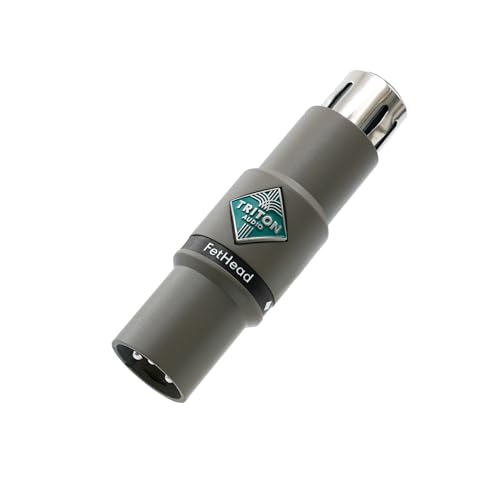
- Low-noise Class-A JFET amplifier design
- Compact shielded inline enclosure
- Phantom powered with no external supply
Best For: Minimalist gain boosting for dynamic and ribbon microphones
High-Gain Dynamic Booster

- 37dB of clean gain for dynamic mics
- 48V phantom powered inline design
- Compatible with SM7B and SM58
Best For: SM7B users wanting a high-gain inline booster
Compact Road-Ready Booster
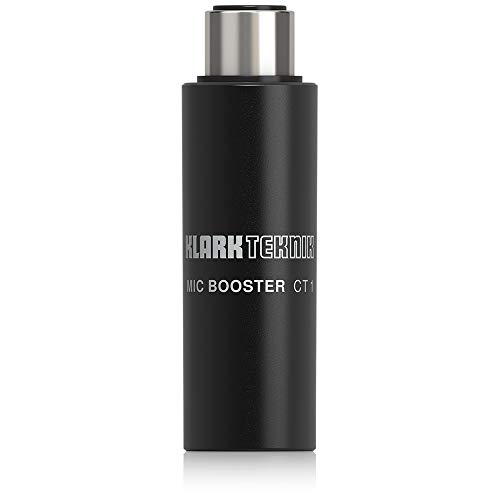
- Up to +25 dB of gain for dynamic mics
- Phantom powered with no external supply
- Rugged metal construction
Best For: Durable inline gain for dynamic and ribbon microphones
Inline Gain Booster
Bolanle NK1 28dB Inline Mic Preamp

- 28dB Class A gain for low-output dynamics
- Works with 48V phantom power chains
- Metal-shielded XLR design helps reduce interference
Best For: Simple inline gain for SM7B-style dynamic mics
Adjustable Transparency Pick
sE Electronics DM2 TNT Inline Preamp
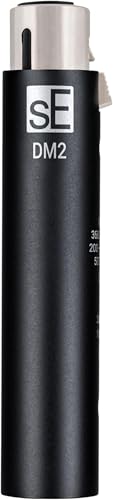
- +15dB or +30dB gain options
- 8 impedance settings for matching dynamic or ribbon mics
- Transparent transformerless, FET-based design
Best For: Users who want tuning control for SM7B-style mics
High-Gain Value Pick
StudioMan DPM1 Dynamic Mic Preamp

- 29dB clean gain for dynamic and ribbon mics
- Rugged metal build with interference shielding
- Plug-and-play inline XLR design
Best For: Podcasters and streamers needing simple SM7B gain boost
Ultra-Clean Dual-Channel Boost
MIC-1 Microphone Preamp with 2 Inputs

- Up to +75 dB clean gain
- Supports SM7B and other dynamic mics
- 2 inputs plus XLR and 6.35mm outputs
Best For: Users who want a versatile high-gain preamp for an SM7B setup
Compact Dynamic Mic Booster

- +25 dB clean gain for dynamic mics
- Balanced XLR I/O with low-noise design
- Small metal chassis for desk setups
Best For: Simple SM7B-style dynamic mic boosts in compact studio setups
Inline Phantom-Powered Booster
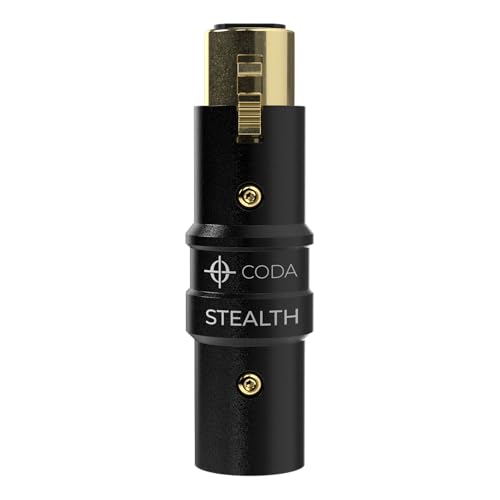
- 28 dB clean gain via 48V phantom power
- Designed for dynamic and ribbon mics only
- Compact inline build with low-noise output
Best For: Minimalist podcast and livestream setups using a dynamic mic like the SM7B
Ultra-Clean Gain Booster – Cloudlifter CL-1 Mic Activator
If you need a microphone preamp for sm7b that adds clean gain without changing the mic’s character, the Cloudlifter CL-1 is built for that job. It uses phantom power to deliver up to +25dB of boost to passive microphones while keeping phantom power off the mic itself, making it a practical inline solution for quieter dynamic and ribbon sources.
Best For: Podcasting, home studios, live streaming, radio broadcasts, and studio recording where clean signal lift is the priority.
Pros:
- Provides up to +25dB of gain from phantom power.
- Designed to reduce noise while improving clarity and signal strength.
- Compatible with passive ribbons and other microphones that should not receive phantom power.
- Fits well in podcasting, live sound, and studio setups.
Cons:
- Requires standard microphone phantom power to operate.
- Only boosts one channel.
- Works as an inline activator, so it does not replace a full mixer preamp.
The CL-1 is a strong pick when your main goal is to get more usable gain while keeping the recording chain simple. For an SM7B-style setup, it focuses on clean lift and noise reduction rather than extra processing.
Low-Noise Inline Classic – Triton Audio FetHead
The Triton Audio FetHead is a compact microphone preamp for sm7b-style dynamic mic setups that need extra clean gain in line. Its low-noise Class-A JFET design and shielded enclosure make it a straightforward way to lift a weak signal before it reaches the main preamp.
Best For: Creators who want a small inline booster for dynamic or passive ribbon microphones in recording and streaming setups.
Pros:
- Low-noise Class-A JFET amplifier design.
- Compact in-line form factor with a shielded enclosure.
- Built with 4 matched JFETs for its amplification topology.
- Phantom powered, with no external power supply needed.
Cons:
- Designed for one inline microphone path rather than multiple channels.
- Requires phantom power from the connected system.
- Best suited to boosting, not adding features beyond gain.
This is a good choice if you want a minimal, no-fuss gain booster that stays out of the way physically and sonically. For SM7B users, it offers the type of clean inline support many low-output dynamic mics need.
High-Gain Dynamic Booster – Traxyspore OA1 Inline Preamp
For buyers looking for a microphone preamp for sm7b compatibility, the Traxyspore OA1 is positioned as an inline dynamic mic booster with 37dB of clean gain. It runs on 48V phantom power and uses XLR connectivity, making it a simple add-on for podcasting, streaming, and recording chains that need more level from a dynamic microphone.
Best For: SM7B and SM58 users who want a compact inline gain booster with a strong output increase.
Pros:
- Delivers 37dB of clean gain.
- Phantom powered at 48V for inline operation.
- Built for dynamic microphones, including SM7B and SM58 compatibility.
- Compact cylindrical body with durable gold-tipped connectors.
Cons:
- One-channel design only.
- Phantom power is required.
- Information is focused on basic gain boosting rather than advanced controls.
The OA1 stands out for users who want a straightforward inline gain lift and a higher stated boost figure than many compact boosters. If your priority is simply getting a stronger, cleaner signal from an SM7B-type dynamic mic, it’s an easy fit to consider.
Compact Road-Ready Booster – Klark Teknik MIC BOOSTER CT 1
The Klark Teknik MIC BOOSTER CT 1 is an inline microphone preamp for sm7b-style dynamic and ribbon setups that need up to +25 dB of extra gain. It runs on phantom power and is built as a rugged, compact booster, which makes it a practical option for recording, voice work, and live use.
Best For: Dynamic and passive ribbon microphone users who want a durable inline gain booster for everyday use.
Pros:
- Provides up to +25 dB of gain.
- Phantom powered with no external power supply needed.
- Works with almost any dynamic or passive ribbon microphone.
- Rugged metal construction for dependable use.
Cons:
- Single-channel device only.
- Requires phantom power from the connected system.
- Focused on gain boosting rather than feature depth.
This model is a solid no-frills choice if you want a tough inline booster that is easy to integrate with a low-output mic. For an SM7B-style setup, it covers the core need: more clean gain without adding complexity.
Inline Gain Booster – Bolanle NK1 28dB Inline Mic Preamp
If you need a microphone preamp for sm7b that simply adds clean level without making your interface work harder, the Bolanle NK1 is built for that job. Its 28dB Class A boost is aimed at low-output dynamics and uses a metal-shielded design to help keep the signal clean in studio or broadcast-style setups.
Best For: Users who want a straightforward inline gain boost for SM7B-style dynamic mics, mixers, and audio interfaces with 48V phantom power available.
Pros:
- 28dB Class A gain for low-sensitivity dynamic microphones
- Compatible with 48V phantom power setups
- Gold-plated pure copper pins and anti-interference metal case
- XLR male-to-female design for easy inline use
Cons:
- Only works as an XLR inline booster, not a standalone preamp
- Requires a phantom-powered chain to operate with dynamic mics
Overall, the NK1 is a practical utility pick when you want more usable output from a quiet dynamic mic without a complicated setup. It focuses on gain, shielding, and compatibility rather than extra controls.
Adjustable Transparency Pick – sE Electronics DM2 TNT Inline Preamp
For anyone shopping for a microphone preamp for sm7b with more control over the match between mic and interface, the sE Electronics DM2 TNT stands out. It offers two gain settings and eight impedance options, so you can tailor the signal path for dynamic or ribbon microphones while keeping the sound transparent.
Best For: Creators who want adjustable gain and impedance control for SM7B-type dynamics, ribbons, podcasting, and live or studio use.
Pros:
- Two gain settings: +15dB or +30dB
- Eight impedance settings from 50 ohms to 10 megaohms
- Transformerless, FET-based design for transparent sound
- All-metal housing with gold-plated XLR connectors
Cons:
- More settings may be more than some users need
- Best value is for users who will actually tune gain and impedance
The DM2 TNT is the most flexible option here if you care about dialing in your mic rather than just adding fixed gain. That extra control makes it appealing for users who want a cleaner, more customized result from a dynamic mic setup.
High-Gain Value Pick – StudioMan DPM1 Dynamic Mic Preamp
If your goal is to get a microphone preamp for sm7b that delivers more level with minimal fuss, the StudioMan DPM1 is the most direct option in this group. It provides 29dB of clean gain for low-output dynamic and ribbon mics and is designed to sit inline between the mic and a 48V phantom-powered interface or mixer.
Best For: Podcasters, streamers, and studio users who need a simple inline boost for dynamic mics and want a rugged, plug-and-play setup.
Pros:
- 29dB clean gain for dynamic and ribbon microphones
- Designed to reduce hiss by boosting the signal at the source
- Rugged metal casing with interference shielding
- Plug-and-play XLR male-to-female format
Cons:
- Requires 48V phantom power to operate
- Not compatible with condenser microphones
The DPM1 is a solid no-nonsense pick for anyone who wants a lot of gain from an inline adapter without extra setup complexity. It’s especially appealing if durability and signal cleanup matter as much as raw boost.
Ultra-Clean Dual-Channel Boost – MIC-1 Microphone Preamp with 2 Inputs
If you’re shopping for a microphone preamp for sm7b use, the MIC-1 is built around clean gain rather than colored character. It can add up to 75 dB of transparent boost, includes 48V phantom power, and supports both dynamic and condenser mics, making it a flexible option for home studios, podcasting, and live streaming.
Best For: Creators who want a high-gain, low-noise preamp that can handle an SM7B and also serve other mics in a small studio setup.
Pros:
- Up to +75 dB of clean, transparent gain
- Works with dynamic and condenser microphones, including SM7B
- 2-channel inputs for boosting two mics at once
- XLR balanced output plus 6.35mm stereo mic/line output
Cons:
- More feature-heavy than a simple inline booster
- 48V phantom power may be unnecessary if you only use one dynamic mic
- Designed as a broader preamp solution, not just a single-mic adapter
The MIC-1 stands out if you want a practical all-around gain stage with strong flexibility and a low-noise design. Its metal shell and balanced circuit approach make it a sensible pick when you need more than just a basic mic booster.
Compact Dynamic Mic Booster – StudioMan CL-100 XLR Preamp
If you need a microphone preamp for sm7b with a straightforward setup, the StudioMan CL-100 is made specifically for dynamic microphones and passive ribbon mics. It adds a clean 25 dB of gain, uses balanced XLR I/O, and keeps the footprint small enough for a desk or mobile rig.
Best For: Podcasters, streamers, and recording setups that need a simple dynamic mic signal booster with a compact metal body.
Pros:
- Designed for dynamic microphones and passive ribbon mics
- Provides +25 dB of clean gain with low noise
- Balanced XLR input/output for easy integration
- Compact metal chassis with EMI/RFI shielding
Cons:
- Lower gain than some competing boosters
- Best suited to dynamic and ribbon mics, not general-purpose mic use
- Phantom power compatibility is noted, but it is not needed for the gain boost itself
The CL-100 is a practical choice if you want a compact, no-fuss signal boost for a low-output dynamic mic. Its clean gain, balanced connections, and small metal housing make it easy to drop into a simple recording chain.
Inline Phantom-Powered Booster – Coda MB-Stealth Preamp
For a microphone preamp for sm7b that stays out of the way, the Coda MB-Stealth is an inline booster that uses your interface’s 48V phantom power to add 28 dB of clean gain. It is designed for dynamic and ribbon microphones only, so it is a focused choice when you want clarity and less noise without a larger preamp box.
Best For: Users who want a compact inline gain booster for dynamic or ribbon mics in podcasting and livestreaming setups.
Pros:
- 28 dB of ultra-clean gain from phantom power
- Low-noise design with a -70 dB noise rating
- Compact in-line format with a matte black finish
- Works with dynamic and ribbon microphones
Cons:
- Does not work with condenser microphones
- Relies on 48V phantom power from the audio interface
- Single-channel inline design offers less flexibility than a full preamp
The MB-Stealth is a strong pick when you want a discreet, purpose-built booster for an SM7B-style dynamic mic. It focuses on clean gain and noise reduction, which is exactly what many streaming and podcast rigs need.
How We Picked the Best Microphone Preamp for Sm7b
We focused on products that are specifically useful as a Microphone Preamp for Sm7b use: clean gain, low noise, compatibility with dynamic microphones, and easy integration into common XLR recording chains. We also favored models that are compact, reliable, and appropriate for home studios, podcast rigs, and broadcast-style workflows.
Quick Comparison
Most buyers will find themselves in one of three groups: those who want a simple inline gain booster, those who need the cleanest possible signal with plenty of headroom, and those looking for more flexible preamp features. Inline boosters are the easiest path for the SM7B because they sit between the mic and audio interface and raise the signal before the interface has to do the heavy lifting.
Key Buying Factors for Microphone Preamp for Sm7b
Gain Amount
The SM7B is a low-output dynamic mic, so gain matters. If your interface already has strong, quiet preamps, a modest booster may be enough. If you hear hiss when turning the gain high, look for a model known for cleaner amplification and stronger gain lift.
Noise Performance
For spoken-word recording, noise floor is often more important than raw gain. The best Microphone Preamp for Sm7b use should raise level without adding audible hum, hiss, or coloration that makes editing harder later.
Phantom Power Requirements
Many inline boosters require 48V phantom power from the interface or mixer to operate, even though the SM7B itself does not need phantom power. Always confirm that your gear can supply it before buying.
Compatibility and Use Case
Most SM7B owners want a compact inline solution, but some setups benefit from a more feature-rich preamp or a model that can also support other dynamic and ribbon microphones. If you record multiple mics, choose a preamp that matches your whole setup, not just one microphone.
Who Should Buy Which Microphone Preamp for Sm7b?
If you want the simplest upgrade for a podcast or streaming setup, choose an inline booster with clean, reliable gain. If your interface is very quiet already, a moderate-gain option may be all you need. If you record in a more demanding environment, or want flexibility for multiple microphones, consider a stronger preamp with broader compatibility and enough headroom to handle future gear changes.
In short, the best Microphone Preamp for Sm7b depends on how much gain you need, how quiet your interface is, and whether you want a minimal inline solution or a more versatile preamp for a larger recording chain.
