Classical music rewards headphones that can separate strings, brass, woodwinds, and hall ambience without sounding congested. That is why open-back designs are such a strong fit.
Below, we focus on 10 options that emphasize natural timbre, soundstage, and long-session comfort for serious listening at home or in the studio.
Best 10 Open Back Headphones for Classical Music Picks for 2026
Reference Standard

- Open-back mesh design for clear, spacious sound
- Lightweight with plush pads for long sessions
- Detachable Kevlar-reinforced cable adds durability
Best For: Classical listeners seeking a neutral, detailed reference sound
Studio Monitor Pick

- Open-back soundstage with clear separation
- 53mm drivers deliver balanced, reference-style audio
- Breathable, lightweight build for longer sessions
Best For: Value-focused listeners wanting spacious open-back monitoring
Studio Classic

- Semi-open design with a spacious studio feel
- XXL transducers and Varimotion diaphragms for clarity
- Self-adjusting headband for long-session comfort
Best For: Studio-minded listeners who want semi-open detail for classical music
Comfort Favorite

- Open-back design with a spacious, natural presentation
- Balanced tuning with clear highs and rich mids
- Lightweight comfort with velour ear pads
Best For: Relaxed classical and acoustic listening with all-day comfort
Editor’s Pick
Sennheiser HD 505 Open-Back Clarity

- Spacious open-back soundstage
- Crisp highs and controlled bass
- Lightweight comfort for long sessions
Best For: Classical and acoustic listeners wanting clear, airy wired headphones
Budget Studio Pick
Superlux HD681 Semi-Open Detail

- Semi-open design with wide soundstage
- 50mm drivers for detailed playback
- Comfortable self-adjusting headband
Best For: Budget listeners wanting a spacious wired headphone for classical music
Classic Detail Pick
GRADO SR60 Open-Back Headphones
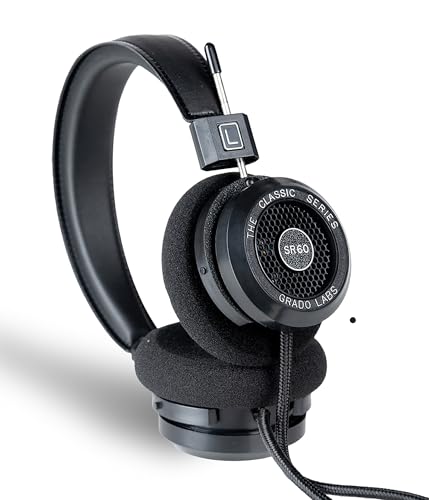
- Open-back design for a spacious, natural sound
- Lightweight on-ear build with flexible cable
- Clear highs and instrument separation for home listening
Best For: Listeners who want an engaging open-back option for classical music at home
Comfortable Home Listener
Philips SHP9600 Open-Back Headphones

- Balanced sound with open-back, 50mm-driver tuning
- Soft over-ear cushions for long listening sessions
- 3m wired cable for convenient home use
Best For: Home listeners who want comfort and a balanced sound for classical music
Studio-Style Value Pick
Superlux HD681 AIR Semi-Open Headphones

- Semi-open design with a wide, flexible soundstage
- 50mm drivers for detailed, high-resolution audio
- Includes two earpad options to tailor the feel
Best For: Budget-minded listeners who want a detailed semi-open headphone for classical music
Reference Standard – Sennheiser HD600
If you’re shopping for open back headphones for classical music, the Sennheiser HD600 is built for listeners who want accuracy over exaggeration. Its open metal mesh design and dynamic drivers aim for precise, natural audio with a wide enough presentation to follow orchestral layers clearly, while the lightweight build helps long sessions stay comfortable.
Best For: Classical listeners and audiophiles who want a neutral, detailed open-back headphone for long listening sessions.
Pros:
- Open-back design and audiophile-grade tuning support clear, spacious listening.
- Lightweight construction and plush ear pads help reduce fatigue.
- Detachable Kevlar-reinforced cable adds flexibility and durability.
- Wide compatibility with hi-fi systems, laptops, desktops, and other audio gear.
Cons:
- Wired-only design may not suit listeners who want wireless convenience.
- No active noise control, so they are best used in quiet environments.
- 300-ohm impedance may call for stronger source equipment in some setups.
The HD600 is a strong pick if your priority is faithful, long-form listening rather than extra bass or features. For classical music, its emphasis on clarity, comfort, and open presentation makes it a dependable benchmark choice.
Studio Monitor Pick – FIFINE HD18 Lite
For buyers comparing open back headphones for classical music, the FIFINE HD18 Lite offers a monitor-style approach with a wide soundstage and balanced tuning. Its 53mm drivers and open-back ear cups are designed to give you natural separation and a clearer sense of instrumental placement during focused listening.
Best For: Budget-conscious listeners who want an open-back, monitoring-style headphone with a spacious presentation.
Pros:
- Open-back soundstage helps reveal instrument separation and spatial detail.
- 53mm drivers are tuned for crisp highs, natural mids, and controlled bass.
- Breathable ear cups and lightweight design support extended wear.
- Detachable mic adds flexibility for calls, streaming, or hybrid use.
Cons:
- Built as a monitoring-style headphone, so it may not appeal to bass-focused listeners.
- Open-back design leaks sound and offers little isolation.
- Best suited to wired desktop or studio setups rather than travel.
The HD18 Lite is a practical option if you want an open, airy presentation without moving into premium pricing. It makes the most sense for listeners who value clarity, comfort, and a straightforward wired setup.
Studio Classic – AKG K240 STUDIO
The AKG K240 STUDIO is a semi-open choice worth considering if you want open back headphones for classical music with a more studio-oriented feel. Its XXL transducers and Varimotion diaphragms are aimed at a wide dynamic range, clear highs, and solid bass, while the self-adjusting headband helps keep long listening sessions comfortable.
Best For: Listeners who want a semi-open studio headphone for classical, Hi-Fi, and critical listening.
Pros:
- Semi-open design provides a spacious presentation suited to detailed listening.
- XXL transducers and Varimotion diaphragms support clear highs and strong dynamics.
- Self-adjusting headband and over-ear pads improve long-session comfort.
- Includes both 3.5 mm and 1/4-inch adapter options for flexible use.
Cons:
- Semi-open design still leaks sound and does not isolate much.
- Studio-focused tuning may feel less exciting than consumer headphones.
- Wired-only setup may be limiting for mobile use.
For classical listening, the K240 STUDIO stands out as a balanced, practical studio headphone with good comfort and versatile connectivity. It’s a sensible fit if you want accuracy and a roomy presentation without chasing flashy extras.
Comfort Favorite – Sennheiser HD 599 SE
If you want open back headphones for classical music with a focus on easy listening, the Sennheiser HD 599 SE is a strong option. Its open-back design, balanced sound, and lightweight comfort are designed to keep orchestral recordings spacious and fatigue-free across long sessions.
Best For: Classical and acoustic listeners who want a roomy, comfortable headphone for relaxed high-fidelity listening.
Pros:
- Open-back sound and spacious staging suit classical and acoustic music.
- Precise highs, rich mids, and controlled bass support balanced listening.
- Lightweight build with plush velour ear pads improves comfort.
- Two detachable cables add flexibility for different setups.
Cons:
- Renewed condition may not appeal to buyers who want brand-new gear.
- Passive noise cancellation is limited compared with closed-back models.
- Best performance still depends on using them in a quiet environment.
The HD 599 SE is one of the easiest recommendations for relaxed, long-form classical listening. It combines a natural open-back presentation with comfort features that make it easy to wear for hours.
Editor’s Pick – Sennheiser HD 505 Open-Back Clarity
If you want open back headphones for classical music, the Sennheiser HD 505 is built around an airy soundstage and transparent audio that helps strings, piano, and orchestral layers stay distinct. Its controlled bass and crisp highs make it a practical choice for listeners who want detail without losing balance.
Best For: Listeners who want a comfortable, wired open-back headphone with clear, spacious playback for classical and acoustic music.
Pros:
- Open-back design creates a natural, spacious soundstage.
- Transparent tuning with crisp highs, clear mids, and controlled bass.
- Lightweight headband and plush velour pads support longer listening sessions.
- Includes a 1.8-meter cable, 3.5 mm plug, and screw-on 6.35 mm adapter.
Cons:
- Open-back design does not isolate outside noise.
- Wired-only setup may be less convenient for portable use.
Overall, the HD 505 is a strong pick if your priority is clean separation and a roomy presentation for classical recordings. It leans toward home listening and studio-style use rather than commuting or noise blocking.
Retro Choice – Moondrop Old Fashioned Open-Back On-Ear
For buyers comparing open back headphones for classical music, the Moondrop Old Fashioned stands out with a retro open-back design and a 40mm dynamic driver tuned for a spacious soundstage. Its on-ear build, swivel hinges, and telescopic headband make it a flexible option for listeners who value comfort and a distinctive design.
Best For: Classical listeners who want a compact, retro-styled open-back headphone with modular parts and wired simplicity.
Pros:
- Open-back retro design is aimed at a premium, spacious presentation.
- 40mm dynamic driver and high damping diaphragm support detailed sound.
- Telescopic headband and multi-axis swivel hinges improve fit.
- Detachable 0.78mm 2-pin cable and modular construction add versatility.
Cons:
- On-ear fit may not suit everyone for long sessions.
- Open-back design offers no noise control.
- Built for wired use only.
In practice, this is a good choice if you want a more compact open-back headphone with a refined, classic look. It is best suited to relaxed home listening where soundstage and comfort matter more than isolation.
Budget Studio Pick – Superlux HD681 Semi-Open Detail
The Superlux HD681 is a semi-open studio headphone that suits shoppers looking for open back headphones for classical music on a tighter budget. With 50mm neodymium drivers and a wide 10 Hz to 30 kHz frequency range, it is designed to deliver detailed playback, strong dynamics, and a broad sense of space.
Best For: Budget-minded listeners who want a semi-open, wired over-ear headphone for detailed classical and general music listening.
Pros:
- Semi-open design provides a wide soundstage for layered music.
- 50mm neodymium drivers deliver detailed highs and impactful lows.
- Self-adjusting headband and soft earpads help with long sessions.
- 2.5-meter single-sided cable is practical for desk or studio use.
Cons:
- Semi-open design still offers little noise isolation.
- Listed with gaming-oriented positioning rather than classical-specific tuning.
For classical listeners who want an affordable over-ear headphone with a spacious presentation, the HD681 offers a lot of value. It is especially appealing if you also want a durable wired model for mixing, tracking, or general music playback.
Classic Detail Pick – GRADO SR60 Open-Back Headphones
If you want open back headphones for classical music, the GRADO Classic Series SR60 is built for a lively, natural presentation with clear instrument separation. Its lightweight on-ear design and open-back construction aim for an airy sound that helps strings, woodwinds, and piano come through with good clarity in a home listening setup.
Best For: Listeners who want an engaging, lightweight open-back headphone for casual classical sessions at home.
Pros:
- Open-back design creates a spacious, natural listening feel.
- Clear vocals and detailed highs suit orchestral detail.
- Lightweight build and flexible cable support everyday comfort.
- Includes a 3.5mm jack with 6.3mm adapter for wide compatibility.
Cons:
- On-ear fit may not suit everyone for long sessions.
- Not water resistant.
- No noise control, so it’s best in quiet spaces.
The SR60 is a straightforward pick if you value openness, clarity, and an easygoing fit over extra isolation or bass-heavy tuning. It is especially appealing for home listening where the open sound can breathe.
Comfortable Home Listener – Philips SHP9600 Open-Back Headphones
The Philips SHP9600 is a practical choice if you’re shopping for open back headphones for classical music and want a relaxed, over-ear fit. Its open-back design and 50mm drivers are tuned for a balanced presentation with crisp highs, a clear midrange, and deep bass, making it well suited to long home listening sessions.
Best For: Home listeners who want over-ear comfort and a balanced sound for classical, podcasts, and TV.
Pros:
- Open-back design supports an immersive, airy soundstage.
- 50mm drivers are tuned for balanced mids and crisp highs.
- Soft, breathable cushions and padded headband improve long-session comfort.
- 3m cable and 3.5mm adapter add flexible at-home use.
Cons:
- Wired design limits mobility.
- Not water resistant.
- Best suited to home use rather than noisy environments.
For classical music, the SHP9600 focuses on comfort and a balanced, detailed presentation that works well for extended listening. It’s a strong all-around pick if you want an easygoing open-back headphone for the living room or desk.
Studio-Style Value Pick – Superlux HD681 AIR Semi-Open Headphones
The Superlux HD681 AIR is a semi-open option that can make sense if you want open back headphones for classical music with a more studio-flavored presentation. Its 50mm drivers, wide frequency range, and semi-open design are aimed at clarity, detail, and a wide soundstage, while the included pad options let you adjust the listening feel.
Best For: Budget-minded listeners who want a detailed semi-open headphone for classical music and home monitoring.
Pros:
- Semi-open design delivers a wide soundstage and added flexibility.
- 50mm drivers and 10–30,000 Hz range focus on clarity and precision.
- Includes AIR-cushion and leatherette earpads for different sound profiles.
- Lightweight, over-ear build is made for longer sessions.
Cons:
- Semi-open design still offers limited isolation.
- Wired use only.
- Best results come in quiet listening spaces.
If you want a more analytical sound without leaving the open-back style behind, the HD681 AIR offers a lot of flexibility. It stands out as a useful value pick for classical music fans who also want a headphone that can handle monitoring or casual listening.
How We Picked the Best Open Back Headphones for Classical Music
We prioritized headphones that suit Open Back Headphones for Classical Music by focusing on soundstage width, imaging precision, tonal balance, and comfort during longer sessions. We also considered driver size, build quality, and whether the tuning supports orchestral detail without harshness.
Quick Comparison
In general, the most neutral models are best for listeners who want faithful strings and brass, while more lively or bass-leaning options can work better if you also stream other genres. Semi-open models can offer a middle ground with a touch more isolation and punch.
Key Buying Factors for Open Back Headphones for Classical Music
Soundstage and Imaging
For symphonies and chamber recordings, a wider soundstage helps place instruments naturally across the room. Good imaging matters just as much, because it lets you follow section layering and ensemble placement.
Tonal Balance and Midrange Clarity
Classical music lives in the mids. Look for clear, uncolored midrange presentation so violins, cellos, piano, and solo vocals sound realistic rather than recessed or overly bright.
Treble Smoothness
Fine detail is valuable, but sharp treble can make strings and cymbals fatiguing. A smooth top end is usually a safer choice for long listening sessions.
Comfort and Fit
Since full symphonies and opera recordings can run long, lightweight construction, breathable pads, and a secure but non-clamping fit can make a big difference.
Impedance and Source Pairing
Some open-back headphones perform well from laptops and portable players, while others benefit from a dedicated DAC or headphone amp. Match the headphone to your gear to avoid thin or underpowered playback.
Who Should Buy Which Open Back Headphones for Classical Music?
If you want the most balanced and reference-style presentation, choose a neutral option. If you prefer a slightly warmer or more relaxed sound for extended listening, pick a model with smoother treble and fuller mids. If your priority is budget value, consider semi-open alternatives that still deliver a spacious feel without the highest price.
For home listeners, the best Open Back Headphones for Classical Music are the ones that combine natural tone, accurate imaging, and all-day comfort. For studio use, lean toward more controlled tuning and reliable build quality. Either way, the right pair should make orchestral recordings feel open, organized, and easy to enjoy.
