If you want cleaner levels and more controlled recordings, a microphone preamp with compressor can simplify your signal chain fast.
From compact inline options to full channel strips, this roundup focuses on practical choices for vocals, instruments, streaming, and home studios in 2026.
Best 10 Microphone Preamp with Compressor Picks for 2026
Premium Mono Channel Strip
Shelford Channel Mic Preamp, EQ & Compressor
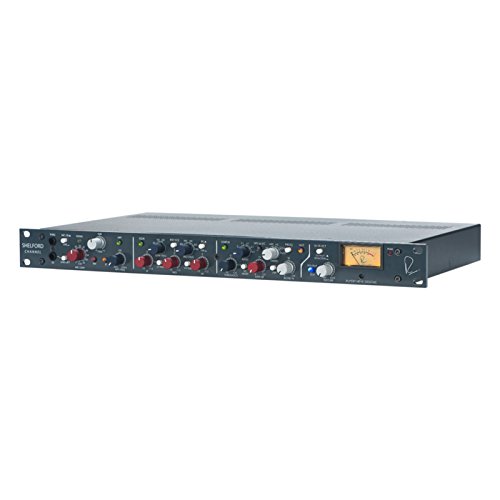
- Transformer-gain mic preamp
- Diode-bridge compressor with sidechain link
- Inductor EQ and double-voltage power supply
Best For: High-end single-channel tracking and tone shaping
Tube Channel Strip
PreSonus STUDIOCHANNEL Tube Preamp & Compressor

- Class A 12AX7 vacuum-tube preamp
- Variable VCA compressor with auto attack/release
- 3-band EQ and multiple input types
Best For: Project studios needing tube color and channel-strip control
8-Channel ADAT Expander
Scarlett OctoPre Dynamic 8-Preamp Compressor
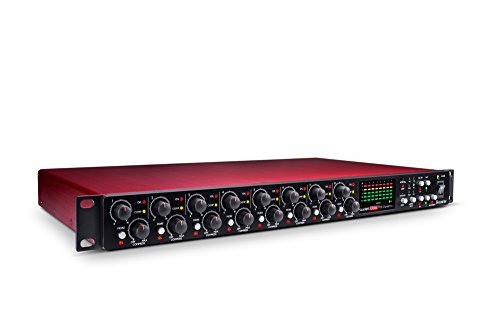
- Eight mic preamps with analog compression
- ADAT, line outs, and instrument inputs
- Word clock I/O and 192 kHz conversion
Best For: Multi-channel recording and interface expansion
Digital-Out Channel Strip
ART VoiceChannel Tube Preamp & Dynamics
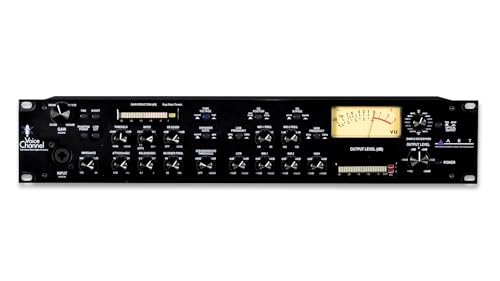
- Tube preamp with warm, defined sound
- Compressor, expander, de-esser, and gate
- ADAT, AES/EBU, S/PDIF, TOSLink, and USB outputs
Best For: One-channel recording with flexible digital output options
In-Line Compression Preamp
Triton Audio Kompressor for Dynamic & Ribbon Mics
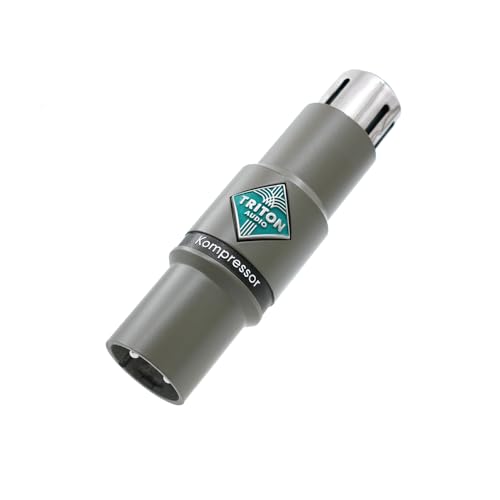
- 25 dB gain for low-output mics
- One-knob FET-OPTO compression
- Blocks phantom power from the mic
Best For: Podcasters and recordists using dynamic or ribbon mics
Hybrid Tube Preamp
PreSonus BlueTube DP v2 Dual-Channel

- Two mic/instrument channels
- XMAX preamps plus 12AX7 tube stage
- 48V phantom power and onboard filters
Best For: Home studios needing a versatile dual-channel preamp
Channel Strip Preamp
SSL SiX 500 Series Mic-Pre with One-Knob Compressor
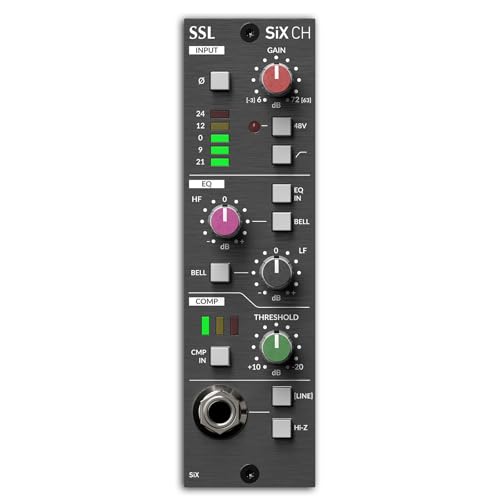
- Mic pre, EQ, and compressor in one module
- 48V phantom power and 75 Hz HPF
- 500 Series format for rack systems
Best For: 500 Series users wanting an all-in-one channel strip
Ultra-Low-Noise Budget Pick
RO03 Mic Preamp, 2026 Upgraded, 66dB Gain

- Claimed -120 dB EIN for low-noise recording
- Practical 19–66 dB gain range
- 1 MΩ instrument input for DI use
Best For: Budget users wanting a quiet, portable mic preamp for vocals or instruments
Tube Channel Strip With Compressor
ART Pro Channel II Tube Preamp/Compressor/EQ
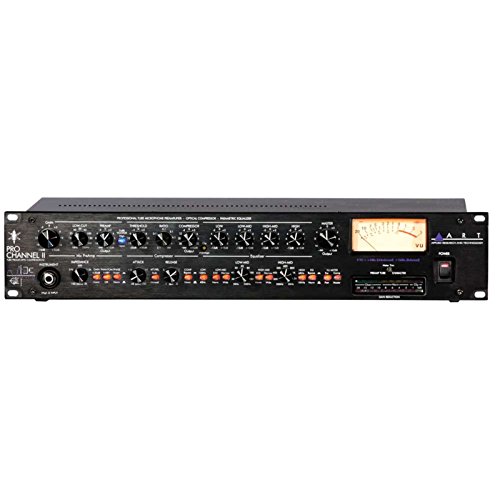
- Tube mic pre plus switchable compressor and EQ
- Selectable VU metering for input, compressor, or main out
- Detented controls support repeatable settings
Best For: Users who want tube warmth and built-in compression in one channel strip
Classic Rack Channel Strip
dbx 286s Mic Preamp & Compressor

- Compression, de-esser, enhancer, and gate in one unit
- Classic dbx compression for leveling vocals
- Rack-mountable 1U design with metering LEDs
Best For: Users who want a rack channel strip for vocals, streaming, or spoken word
Premium Mono Channel Strip – Shelford Channel Mic Preamp, EQ & Compressor
Rupert Neve Designs Shelford Channel Microphone Preamp, Inductor EQ & Diode Bridge Compressor
Check Price On AmazonIf you want a microphone preamp with compressor built for a serious single-channel signal path, the Shelford Channel combines a transformer-gain mic preamp, diode-bridge compression, and inductor EQ in one mono strip. It is aimed at users who want shaping and dynamics control before the signal reaches the rest of the chain.
Best For: Engineers and studios wanting a high-end mono channel strip with preamp, EQ, and compression in one unit.
Pros:
- Transformer-gain mic preamp for a classic front-end approach
- Diode-bridge compressor with sidechain stereo link sends/returns
- Inductor EQ for additional tonal shaping
- Double-voltage power supply for robust channel-strip operation
Cons:
- Mono channel only, so it is not a multi-channel solution
- Designed as a full strip, which may be more than casual users need
The Shelford Channel is a focused choice when you want one premium channel to handle preamp, compression, and EQ duties together. It is best suited to tracking situations where detailed control matters more than simplicity.
Tube Channel Strip – PreSonus STUDIOCHANNEL Tube Preamp & Compressor
The PreSonus STUDIOCHANNEL is a microphone preamp with compressor designed as a flexible channel strip for studio work. It pairs a high-voltage Class A 12AX7 vacuum-tube preamp with a variable VCA compressor and a 3-band EQ, giving you a straightforward way to capture and shape vocals, instruments, and line sources.
Best For: Home and project studios that want a tube channel strip with built-in compression and EQ.
Pros:
- High-voltage Class A 12AX7 tube mic/instrument preamp
- Variable VCA compressor with auto attack/release and soft/hard knee
- 3-band EQ with variable-Q mid-band and peak/shelving high and low bands
- Includes instrument, line, and mic inputs plus phantom power and polarity reverse
Cons:
- Single-channel unit, so it only covers one source at a time
- Rack-mount form factor may be less convenient for portable setups
This is a practical all-in-one strip for users who want tube coloration plus compression in a single rack unit. Its mix of input options and onboard processing makes it useful across vocals, guitar, bass, keys, and synths.
8-Channel ADAT Expander – Scarlett OctoPre Dynamic 8-Preamp Compressor
If you need a microphone preamp with compressor for expanding an interface, the Scarlett OctoPre Dynamic gives you eight mic preamps with flexible analogue compression on every channel. It also adds ADAT connectivity, line outputs, and instrument inputs, making it a strong rackmount option for multi-channel tracking.
Best For: Recording rigs that need eight preamps and onboard compression for drums, bands, or live inputs.
Pros:
- Eight natural-sounding Scarlett mic preamps
- Flexible analogue compression on every channel
- Eight balanced line inputs and eight balanced line outputs
- ADAT connectivity plus word clock I/O for system integration
Cons:
- Requires an ADAT-equipped interface to get the most from it
- Compression is analog and channel-wide, but not a full channel-strip EQ solution
For users expanding a setup, this unit focuses on clean multi-channel capture with practical dynamics control. It is especially compelling when you need to track several loud sources and want onboard compression without adding separate processors.
Digital-Out Channel Strip – ART VoiceChannel Tube Preamp & Dynamics
The ART VoiceChannel is a microphone preamp with compressor built as a single-channel strip for recording applications. It combines an ART tube preamp with dynamics processing that includes compressor, expander, de-esser, and gate functions, plus flexible digital output options for direct connection.
Best For: Single-source recording setups that want tube preamp character and digital connectivity.
Pros:
- Tube preamp design aimed at warmth and definition
- Dynamics control includes compressor, expander, de-esser, and gate
- Digital outputs include ADAT Lite-pipe, AES/EBU, S/PDIF, and TOSLink
- USB direct-connect support for computer or laptop recording
Cons:
- Single-channel design limits it to one input path at a time
- Its feature set is broad, which may be more than basic users need
This unit stands out if you want front-end processing and digital routing in one box. It is a good fit when you value signal shaping before conversion and want several output choices for different rigs.
In-Line Compression Preamp – Triton Audio Kompressor for Dynamic & Ribbon Mics
If you want a microphone preamp with compressor that sits right at the mic, the Triton Audio Kompressor is built for low-output dynamic and ribbon mics. It combines 25 dB of gain with simple one-knob compression in a compact XLR barrel, making it a practical way to add level control and cleaner peaks before the signal reaches your interface or mixer.
Best For: Podcasters, home recordists, and engineers using gain-hungry dynamic or ribbon microphones like the SM7B.
Pros:
- Combines an in-line compressor and microphone preamp in one compact XLR device.
- Provides 25 dB of gain, which helps lift low-output dynamic and ribbon microphones.
- One-knob control makes compression quick and easy to set by ear.
- Blocks 48V phantom power from reaching the microphone while operating from phantom power.
Cons:
- Single-control design offers less detailed adjustment than full studio processors.
- Requires phantom power to work, so it is not a standalone powered preamp.
- Designed specifically for inline use, not as a multi-channel recording solution.
For straightforward source-level control, this model is appealing because it solves gain and dynamics in one small device. It is especially useful when you need smoother, more consistent audio from sensitive-to-drive microphones without adding a lot of setup complexity.
Hybrid Tube Preamp – PreSonus BlueTube DP v2 Dual-Channel
The PreSonus BlueTube DP v2 is a practical microphone preamp with compressor-style tonal control only in the sense that its tube drive can add saturation, not actual built-in compression. It gives you two mic/instrument channels with XMAX preamps, a 12AX7 tube stage, phantom power, and useful front-panel tools like a high-pass filter, pad, polarity reverse, and VU metering.
Best For: Home studios and project setups that want a versatile dual-channel mic/instrument preamp with tube coloration.
Pros:
- Two channels let you handle multiple mic or instrument sources at once.
- Hybrid design combines solid-state XMAX gain with a 12AX7 tube stage.
- Includes 48V phantom power, pad, polarity reverse, and an 80 Hz high-pass filter.
- Compact 1/2U rack chassis makes it easy to fit into a small setup.
Cons:
- Does not include a true compressor section.
- Tube drive is for saturation flavor rather than dynamic control.
- Best suited to rack-based setups rather than portable inline use.
This is a flexible preamp choice when you want dual-channel input handling and some tube character without moving into a full channel-strip format. If compression is a must-have, you would need to add it elsewhere in the signal chain.
Channel Strip Preamp – SSL SiX 500 Series Mic-Pre with One-Knob Compressor
The Solid State Logic SiX Channel Strip 500 Series is a more complete microphone preamp with compressor for users building a modular rack setup. It combines mic pre, EQ, and a single-knob compressor in one 500 Series module, along with 48V phantom power, a 75 Hz high-pass filter, and a front-panel Hi-Z line input.
Best For: 500 Series racks that need a compact channel strip with preamp, EQ, and compression in one module.
Pros:
- Includes mic pre, EQ, and a single-knob compressor in one unit.
- Provides +48V phantom power for compatible microphones.
- Built-in 75 Hz high-pass filter helps control low-end rumble.
- Front-panel TRS line input with Hi-Z switch adds extra input flexibility.
Cons:
- Requires a 500 Series chassis, so it is not a standalone desktop preamp.
- Single-knob compressor is simple rather than highly detailed.
- One-channel design may not suit users who need multiple inputs at once.
For rack users, this is the most complete all-in-one option in the group because it bundles preamp, EQ, and compression into a single slot. It is best viewed as a compact channel-strip tool for streamlined tracking rather than a general-purpose standalone preamp.
Ultra-Low-Noise Budget Pick – RO03 Mic Preamp, 2026 Upgraded, 66dB Gain
If you want a microphone preamp with compressor-style signal control in a simple, low-cost chain, the RO03 is really more of a clean gain stage than a channel strip. Its biggest selling point is the updated low-noise design, with the brand stating a -120 dB EIN and a practical 19–66 dB gain range for real-world use.
Best For: Streamers, home recordists, and musicians who want a compact, very quiet preamp for vocals or instruments on a budget.
Pros:
- Updated to a claimed -120 dB EIN for very low-noise recording.
- Practical 19–66 dB gain range that the brand says is achievable in use.
- 1 MΩ instrument input improves performance for DI-style instrument recording.
- Type-C power input makes it easier to use in portable setups.
Cons:
- Does not include a compressor section.
- Two input ports cannot be used at the same time.
- Best results depend on connecting to an audio interface’s TRS line input, not XLR.
Overall, the RO03 is best viewed as a clean, portable mic preamp rather than a full channel strip. If your priority is low noise and simple setup, it offers a focused feature set at a budget-friendly level.
Tube Channel Strip With Compressor – ART Pro Channel II Tube Preamp/Compressor/EQ
ART Pro Channel II Microphone Preamp/Compressor/EQ Professional Tube Based Selectable VU Metering
Check Price On AmazonThe ART Pro Channel II is a microphone preamp with compressor functionality built into a full tube-based channel strip. It combines a tube mic pre, a switchable optical/tube compressor, and tube EQ, making it a practical choice when you want processing in one box instead of adding separate hardware.
Best For: Vocalists, streamers, and project studios that want tube warmth plus built-in compression and EQ in a single channel strip.
Pros:
- Three independent modules: tube mic pre, compressor, and tube EQ.
- Selectable optical/tube compressor gives flexible dynamics control.
- Selectable VU metering can show mic pre out, compressor out, or main out.
- Detented potentiometers help with repeatable settings.
Cons:
- Single-channel design only.
- Large, heavy unit at 13.4 pounds and rack-style size.
- Best suited to users who want a full channel strip, not a simple standalone preamp.
For anyone shopping for a microphone preamp with compressor and a warmer analog workflow, this ART unit is the most all-in-one option in the group. It makes sense when you want compression, EQ, and metering integrated into a tube-based front end.
Classic Rack Channel Strip – dbx 286s Mic Preamp & Compressor
The dbx 286s is a microphone preamp with compressor and extra processing tools aimed at clean, controlled vocal and instrument capture. Along with classic dbx compression, it adds a de-esser, enhancer, and expander/gate, so it can do more than just level control in a simple single-channel rack unit.
Best For: Spoken word, streaming, vocals, and home studios that want a practical rack-mounted channel strip with compression and cleanup tools.
Pros:
- Includes compression, de-esser, enhancer, and expander/gate in one unit.
- Classic dbx compression is designed to even out loud and quiet passages.
- Floating balanced XLR mic input plus 1/4″ TRS line input for different sources.
- Rack-mountable 1U format with metering LEDs for easy monitoring.
Cons:
- Single-channel device only.
- Requires rack space, so it is less portable than compact preamps.
- More processing features may be more than you need for very basic setups.
If you want a microphone preamp with compressor that also handles de-essing and gating, the dbx 286s is the most feature-packed option here. It is especially useful when you want a straightforward rack channel strip for cleaner, more controlled recordings.
How We Picked the Best Microphone Preamp with Compressor
We looked for units that combine usable preamp gain with compression you can actually dial in without fighting the controls. Priority went to models with low-noise performance, flexible inputs, and features that suit real recording tasks rather than spec-sheet filler.
We also favored products that cover different use cases, from rack-style channel strips to portable inline processors, so you can match the hardware to your workflow and budget.
Quick Comparison
Not every Microphone Preamp with Compressor is built for the same job. Some are best for one vocal mic and a simple desktop setup, while others are designed as full front-end processors for tracking multiple sources or building a more advanced studio chain. The right choice depends on how much control you want over gain, dynamics, EQ, and routing.
Key Buying Factors for Microphone Preamp with Compressor
Gain and Noise Performance
Check whether the preamp offers enough clean gain for your microphones, especially if you use dynamic or ribbon mics. Low equivalent input noise matters if you want quiet recordings at higher gain settings.
Compression Style and Control
Some compressors are simple one-knob designs, while others provide threshold, ratio, attack, and release control. Choose the level of control that matches your experience and the consistency you need.
Channel Strip Features
Many units add EQ, de-essing, gating, tube coloration, or digital outputs. Those extras can be helpful, but only if they fit your workflow. A cleaner, simpler design is often better than paying for features you will not use.
Connectivity and Form Factor
Make sure the unit works with your interface or mixer. Consider whether you need XLR, line, instrument, ADAT, or digital output support, plus whether you want a compact desktop unit, a rackmount processor, or a 500-series module.
Who Should Buy Which Microphone Preamp with Compressor?
Home recordists and streamers usually benefit most from an easy-to-use channel strip that speeds up vocal setup. Musicians tracking guitars, bass, or ribbons may want a preamp with plenty of gain and simple compression for level control. Engineers and content creators who want more shaping tools should look at full-featured channel strips, while users focused on portability should consider compact inline solutions.
If you are comparing a Microphone Preamp with Compressor for the first time, start with your main source, your interface compatibility, and how much hands-on control you want. That will narrow the list quickly and help you avoid overbuying.
