Choosing the right slider can transform static shots into polished, cinematic movement. For studio work, the best options balance smooth tracking, stable payload support, and reliable control.
This roundup highlights the best camera slider systems for studio production in 2026, with picks for manual moves, motorized time-lapse, and compact setups.
Best 10 Camera Slider Systems for Studio Production Picks for 2026
Heavy-Duty Studio Motion
Proaim Swift Camera Track Dolly System
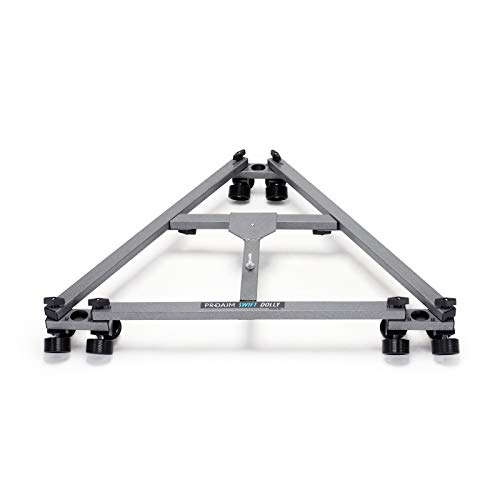
- 159kg / 350lb payload capacity
- Track-based smooth tracking shots
- 28" spacing for added stability
Best For: Studios and crews moving heavy rigs with controlled cinematic motion
Motorized Precision Moves
GVM 48" Carbon Fiber Camera Slider
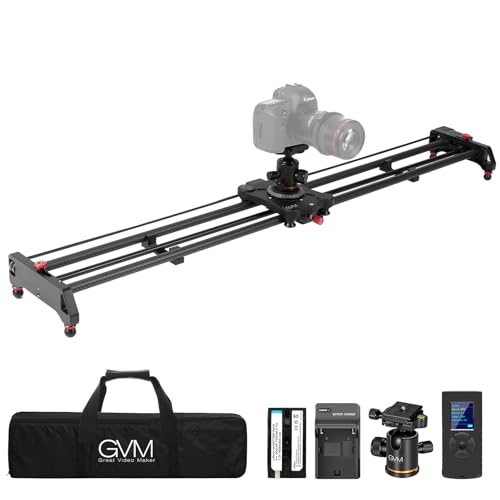
- Motorized video and time-lapse modes
- 120° panoramic shooting option
- Remote control for detailed motion settings
Best For: Filmmakers who want programmable slider moves for studio shots
Portable Rail Workflow
Glide Gear DEV 4 Dolly Track System

- Smooth and silent sliding motion
- Three 23" aluminum rails
- Portable sled with carry bag
Best For: Small studio setups needing a portable, quiet slider
Mitchell-Mount Studio Slider

- 100kg / 220lb payload support
- 2ft travel with 360° panning
- Mitchell mount for pro workflows
Best For: Professional crews using heavier rigs and Mitchell-based support
App-Controlled Motorized Pick
48" Motorized Carbon Fiber Slider with App Control

- App-based control for motion setup
- Supports tracking, panoramic, and time-lapse shots
- Carbon fiber rail with adjustable legs and carry bag
Best For: Studio creators who want programmable motion and remote control
Manual Stability Pick
32" Manual Ball-Bearing Slider with Legs

- Ball-bearing slide system for smooth movement
- Works horizontally or vertically with bubble level
- Compact rail with adjustable legs and carrying case
Best For: Studio users who want a simple manual slider with stable operation
Battery-Powered Motion Pick
48" Motorized Slider with Battery and Round-Trip Motion
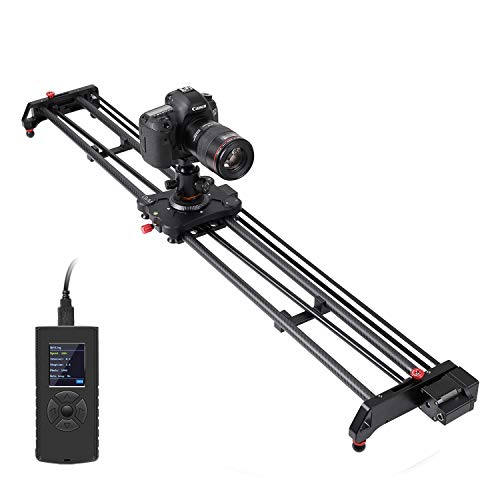
- Automatic round-trip, time-lapse, and panoramic modes
- Battery, charger, controller, and shutter cables included
- Carbon fiber rail with adjustable feet for stable setups
Best For: Filmmakers needing a motorized slider with included power and accessories
Portable Manual Slider
Zecti 24"/60 cm Carbon Fiber Camera Dolly Track

- 24-inch manual slider with carbon fiber rails
- Lightweight 654g build and carrying bag
- Adjustable legs and bubble level for setup
Best For: Lightweight travel and simple studio tracking shots
Motorized App-Control Slider
NEEWER 31.5" Carbon Fiber Dolly Rail

- Motorized slider with app and 2.4G control
- Silent stepper motor and 4400mAh battery
- Carbon fiber rail with multiple angle options
Best For: Repeatable video, time-lapse, and studio motion control
Wireless 6-in-1 Slider
GVM 32" Motorized Carbon Fiber Rail

- Six modes for tracking, panoramic, time-lapse, and video
- Bluetooth app control for detailed motion settings
- Carbon fiber body with shutter cables included
Best For: Wireless studio workflows and programmable cinematic moves
Heavy-Duty Studio Motion – Proaim Swift Camera Track Dolly System
If you need camera slider systems for studio production that can handle serious weight, the Proaim Swift is built more like a professional dolly than a lightweight tabletop slider. Its track-based design is aimed at controlled straight-line movement, making it a strong fit for tracking shots, interviews, commercials, and other productions where smooth motion matters more than portability.
Best For: Studios and crews that need a high-payload dolly for cinematic tracking shots and demanding production setups.
Pros:
- Supports up to 159kg / 350lb for heavy camera rigs and production gear.
- Designed for smooth track-based movement and controlled cinematic shots.
- 28″ central distance adds stability during production workflows.
- Built for frequent professional use in indoor and outdoor environments.
Cons:
- Bulky compared with smaller slider systems.
- Best suited to track-style setups rather than compact run-and-gun use.
This is a practical choice when payload capacity and stable motion are higher priorities than portability. For studio production teams building reliable tracking moves, it offers the kind of platform that can support larger rigs without sacrificing smoothness.
Motorized Precision Moves – GVM 48" Carbon Fiber Camera Slider
For camera slider systems for studio production that need automation and repeatable moves, the GVM 48″ carbon fiber slider brings motorized control into a compact workflow. It supports video mode, time lapse shooting, manual and electric modes, plus 120° panoramic shooting, so it covers a wide range of motion styles without changing platforms.
Best For: Filmmakers and studio creators who want motorized slider control for video, time lapse, and panoramic shots.
Pros:
- Offers tracking, horizontal, and 120° panoramic shooting modes.
- Remote control lets you set speed, endpoints, dwell time, loop behavior, and more.
- Supports video and time-lapse workflows with automatic return movement.
- Includes 1/4-inch and 3/8-inch screw ports plus shutter cables for broad compatibility.
Cons:
- Motorized features add setup complexity compared with a simple manual slider.
- Best suited to workflows that benefit from remote programming and repeatable motion.
This slider is a strong fit when consistency and remote control matter in studio production. The combination of electric movement, panoramic options, and time-lapse control makes it a flexible tool for planned shots.
Portable Rail Workflow – Glide Gear DEV 4 Dolly Track System
If you’re comparing camera slider systems for studio production and want a portable rail setup, the Glide Gear DEV 4 keeps things simple and controllable. Its three 23-inch rails and frictionless wheel platform are designed for smooth, quiet sliding, while the compact sled can be lifted off the rails for easier transport between shoots.
Best For: Shooters who need a portable, quiet track slider for light-to-medium camera setups and tight production spaces.
Pros:
- Smooth, silent movement for professional tracking shots.
- Three 23″ rails built from 6061 aircraft-grade aluminum.
- 28 mounting holes support a variety of accessories.
- Front wheels can rotate 90 degrees to act as a brake.
Cons:
- 50 lb payload is much lower than heavy-duty studio dollies.
- Tripod or speaker stand adapter is not included.
The DEV 4 is a practical option when portability and quiet operation matter more than extreme payload capacity. It fits well in smaller studio environments where controlled camera motion is needed without a large footprint.
Mitchell-Mount Studio Slider – Proaim Flyking PRO 3ft Slider
For camera slider systems for studio production that need a more traditional pro rig, the Proaim Flyking PRO 3ft is built around a Mitchell mount and heavy-duty construction. It offers 2ft of camera travel, 360° panning with a flip lock system, and a high payload rating, making it a strong fit for controlled studio shots and larger camera packages.
Best For: Professional crews using Mitchell-based support systems and heavier studio camera rigs.
Pros:
- Supports up to 100kg / 220lb for substantial camera setups.
- 360° panning with flip lock adds creative movement control.
- Mitchell mount compatibility suits pro support workflows.
- Designed for studio productions, commercials, and documentaries.
Cons:
- Only 2ft of camera travel, so it is not ideal for long motion paths.
- Best suited to professional rigs rather than casual or lightweight use.
This slider makes sense when stability and integration with pro support gear matter most. It is especially useful for productions that want precise linear motion plus the option to add panning without changing systems.
App-Controlled Motorized Pick – 48" Motorized Carbon Fiber Slider with App Control
If you want camera slider systems for studio production that can handle motion control, this GVM 48-inch carbon fiber model is built around automated shots. It supports tracking, panoramic, time lapse, and video capture, while the app control makes it easier to fine-tune movement from a phone or tablet. The carbon fiber rail and adjustable legs also help keep setup stable for controlled studio work.
Best For: Creators who want app-based motorized slider control for repeatable studio shots and time-lapse moves.
Pros:
- Supports 6-in-1 shooting modes, including tracking, panoramic, time lapse, and video capture.
- APP control lets you manage motion from iOS or Android without a hardwired controller.
- Carbon fiber build, adjustable legs, and a carry bag make it easier to stabilize and move.
- Includes multiple 1/4″ and 3/8″ screw ports for flexible mounting.
Cons:
- Motorized workflow may be more than needed if you only want simple manual slides.
- Most useful when you have time to dial in start/end points and motion settings.
Overall, this GVM slider is a strong fit for studios that need programmable movement and a wider set of motion modes. The app control and included accessories make it especially practical for repeatable production setups.
Manual Stability Pick – 32" Manual Ball-Bearing Slider with Legs
For camera slider systems for studio production where smooth manual movement matters more than automation, the Fotodiox Pro SlideCam 800-32″ offers a straightforward stabilization rail. Its ball-bearing slide mechanism is designed for very smooth motion, and the included adjustable legs and bubble level help with setup on a tripod or flat surface.
Best For: Shooters who want a compact, manual slider with stable movement and flexible mounting options.
Pros:
- Very smooth ball-bearing slide mechanism for shake-free movement.
- Can be used horizontally or vertically, with a bubble level for alignment.
- Includes removable adjustable legs with non-skid rubber feet.
- Multiple 1/4-20 and 3/8″ mounting holes plus carrying case for easy setup.
Cons:
- No motorized or app-controlled motion features.
- 32-inch rail is shorter than 48-inch options for longer studio moves.
This is a practical choice if you value reliable manual control and quick setup over automated motion. The compact size and included case make it easy to keep in a studio kit or take on location.
Battery-Powered Motion Pick – 48" Motorized Slider with Battery and Round-Trip Motion
This GVM motorized model is a versatile option among camera slider systems for studio production, especially if you want automated motion and a battery-powered setup. It supports round-trip movement, time lapse, panoramic shooting, and video capture, while the carbon fiber rail and adjustable foot design are aimed at keeping motion smooth and level. The included battery and accessories also make it more ready to use out of the box.
Best For: Filmmakers who want a ready-to-run motorized slider with battery power and multiple shooting modes.
Pros:
- Supports automatic round-trip, time lapse, panoramic, and video capture modes.
- Motor settings allow control over start/end points, torque, speed, interval, and stop time.
- Carbon fiber construction and adjustable feet are designed for smooth, stable use.
- Includes battery, charger, controller, shutter cables, and carrying bag.
Cons:
- Motorized functionality adds complexity compared with a basic manual slider.
- Weight and size may be less convenient than a smaller rail system.
For studio workflows that need repeatable motion and a fuller accessory kit, this slider covers a lot of ground. The battery-powered design makes it especially appealing when you want to get shooting quickly without building a separate control setup.
Portable Manual Slider – Zecti 24"/60 cm Carbon Fiber Camera Dolly Track
For camera slider systems for studio production, this Zecti 24-inch manual slider is a compact option when you want basic tracking shots without adding motors or batteries. It uses a double interior carbon fiber rail system, four precision bearings, and adjustable legs with a bubble level, but the notes also say the slider may make noise or feel rough if the screws are overtightened.
Best For: Creators who want a lightweight, travel-friendly manual slider for small cameras, phones, and simple studio moves.
Pros:
- 24" portable size and 654g weight make it easy to pack for travel or studio use.
- Double carbon fiber rails and four precision bearings are designed for stable, quiet movement.
- Adjustable legs, non-skid rubber feet, and a bubble level help with setup on different surfaces.
- Multiple 1/4-inch and 3/8-inch mounting options support several shooting modes and accessories.
Cons:
- Notes warn that movement can become noisy or less smooth if screws are overtightened.
- Max weight recommendation is 4.4 pounds, so it is not for heavier camera rigs.
- Manual operation means it does not offer motorized motion or app control.
This is a practical entry-level slider if your priority is portability and basic motion control, especially for lighter camera setups. It is not the most refined option, but it can still suit simple studio production needs when adjusted carefully.
Motorized App-Control Slider – NEEWER 31.5" Carbon Fiber Dolly Rail
If you want camera slider systems for studio production with automated motion, this NEEWER 31.5-inch motorized slider brings app control, time-lapse support, and a silent stepper motor into one compact rail. It is built from carbon fiber, includes a 4400mAh battery, and supports multiple shooting angles, though the notes caution that minor shake may occur during macro photography.
Best For: Filmmakers and content creators who want a motorized slider for video, time-lapse, and controlled repeatable moves.
Pros:
- Motorized movement with APP and 2.4G remote support for manual, video, and time-lapse modes.
- Silent stepper motor and included 4400mAh battery support quiet, extended shooting sessions.
- Carbon fiber construction and 4 roller bearings are designed for stability and anti-shake performance.
- Supports horizontal, 45° tilt, and panoramic setups for more creative camera moves.
Cons:
- 2.4G remote control is not included.
- Type-C portable charger is not included.
- Notes mention minor shake may occur during macro photography.
This model stands out if you need automated movement and programmable control rather than a basic manual rail. It is a strong fit for production work where repeatable motion and quiet operation matter more than absolute simplicity.
Wireless 6-in-1 Slider – GVM 32" Motorized Carbon Fiber Rail
For camera slider systems for studio production that need more programmable motion, this GVM 32-inch motorized slider offers six shooting modes, Bluetooth app control, and a carbon fiber rail built for smooth movement. The package also includes shutter release cables and an extension cable, making it a practical choice for users who want to manage both slider motion and camera triggering from one setup.
Best For: Studio shooters, YouTubers, and filmmakers who want wireless control and flexible motion presets.
Pros:
- Six shooting modes include tracking, panoramic, time-lapse, and video.
- Bluetooth app control lets you set start/end points, speed, dwell time, and pause intervals.
- Multiple 1/4-inch and 3/8-inch ports support vertical, horizontal, and 45-degree shooting setups.
- 8-layer carbon fiber construction is designed for stability, anti-shake performance, and portability.
Cons:
- Requires app-based setup for the most advanced functions.
- Motorized design is more complex than a basic manual slider.
- Best results will depend on proper leveling with the adjustable legs.
This is the most feature-rich option in the group for users who want flexible motion programming and wireless control. It is especially appealing for studio creators who value repeatable shots, easy triggering, and a portable carbon fiber build.
How We Picked the Best Camera Slider Systems for Studio Production
We focused on Camera Slider Systems for Studio Production that deliver repeatable motion, dependable build quality, and practical control options. Priority went to smooth carriage movement, useful payload capacity, and features that matter in a controlled studio environment, such as motorization, app control, and time-lapse support.
Quick Comparison
Manual sliders are usually the simplest and most portable choice, while motorized models add consistent speed, repeatable moves, and hands-free operation. Longer rails suit wider framing and product work, while shorter systems are better for tighter sets, desk setups, and smaller rooms. Carbon fiber and aluminum both have advantages, but stability and smooth operation matter more than the material alone.
Key Buying Factors for Camera Slider Systems for Studio Production
Length and Travel Range
Choose a rail length based on your shooting space and the type of motion you need. Shorter sliders are easier to position on compact tables or in small studios, while 32-inch to 48-inch systems offer more visible camera movement for interviews, products, and b-roll.
Motion Type and Control
Manual sliders are ideal when you want quick setup and direct control. Motorized systems are better if you need repeatable moves, precise pans, time-lapse sequences, or smooth automated tracking. App control can be especially helpful when the slider is mounted out of easy reach.
Payload and Rig Compatibility
Check the combined weight of your camera, lens, battery, monitor, and any cage or accessories. If you shoot with heavier cinema or mirrorless rigs, make sure the slider’s rated payload leaves comfortable headroom for stable operation.
Studio Stability and Mounting
For studio production, a slider should sit securely on supports, tripods, or a flat surface without flexing. Look for solid end stops, a rigid carriage, and smooth bearings or rail construction that reduce vibration during controlled shots.
Power and Workflow
Motorized models may use batteries, USB power, or app-based control. Think about how long your sessions run and whether you need portability or continuous studio power. Time-lapse, panoramic moves, and auto-return functions can save setup time in recurring production workflows.
Who Should Buy Which Camera Slider Systems for Studio Production?
If you want the most straightforward setup, a manual slider is the best fit for interviews, tabletop filming, and occasional motion shots. If your work depends on consistent movement, choose a motorized slider with app control and time-lapse features. For heavier rigs and more robust studio use, prioritize stronger payload ratings and a longer, more rigid rail system. Creators with limited space should lean toward compact models, while teams producing branded content, product demos, or run-and-gun studio footage will usually benefit most from a more feature-rich system.
