Choosing among the best digital pianos for home studios means balancing realistic key feel with quiet practice, reliable recording connections, and a footprint that works in your room. The right model can serve as a practice instrument, MIDI controller, songwriting tool, and polished performance keyboard.
This roundup includes compact slab pianos, feature-rich arranger models, console-style instruments, and useful bundles. Below, you’ll find practical ways to compare them before deciding which setup best matches your playing level, studio workflow, and budget.
Best 10 Digital Pianos for Home Studios Picks for 2026
Versatile Performance Hub
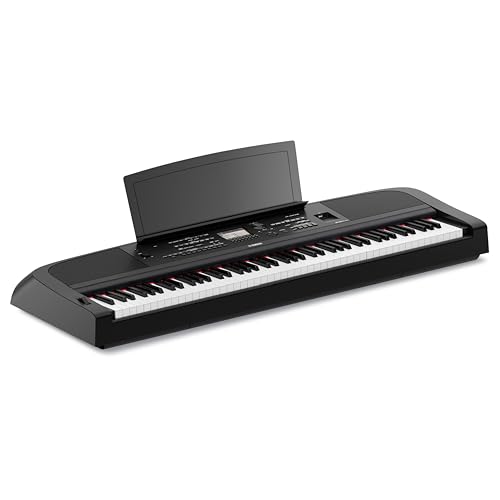
- Weighted 88-key action with CFX piano sampling
- 630 Voices and 263 accompaniment Styles
- Mic input, Bluetooth, and learning features
Best For: Home musicians wanting piano, arranging, and vocal features in one instrument
Creative Arrangement Center
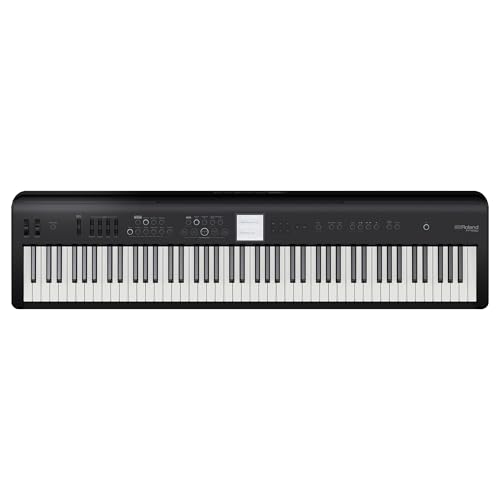
- SuperNATURAL Piano engine with PHA-4 action
- 1,018 sounds and interactive accompaniment styles
- Bluetooth audio/MIDI and microphone vocal effects
Best For: Players building arrangements and performances with a versatile portable keyboard
Streamlined Practice Piano

- 88 weighted, touch-sensitive keys
- 10 Voices with piano and Dual Mode layering
- Compact design with USB and sustain pedal
Best For: Beginners and minimalist setups focused on piano practice
Balanced Portable Performer

- PHA-4 weighted keyboard and SuperNATURAL Piano engine
- 22-watt stereo speaker system
- Bluetooth audio/MIDI and Piano Partner 2 app support
Best For: Players wanting realistic piano feel and modern connectivity in a compact setup
Compact Bluetooth Pick
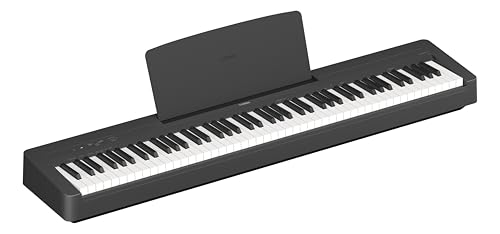
- 88 weighted keys with Graded Hammer Compact action
- Bluetooth audio and Yamaha app compatibility
- Slim, portable design with accessories included
Best For: Portable home-studio practice and play-along use
Beginner Studio Favorite

- SuperNATURAL Piano sound engine
- USB/MIDI for computers and DAW software
- Authentic-feel 88-note keyboard with headphone practice
Best For: Beginners building a compact recording and practice setup
Console-Style Learning Choice

- AiR grand piano sound with 19 tones
- Tri-Sensor II weighted hammer action
- USB-MIDI, learning modes, and dual headphone jacks
Best For: Permanent home setups focused on learning and MIDI production
Ready-to-Play Pick

- 88 weighted keys with grand-piano sound
- Includes stand, bench, pedal, and music rest
- Slim, lightweight design with headphone output
Best For: Home musicians wanting a complete Yamaha setup
Feature-Rich Cabinet Choice

- Progressive weighted 88-key hammer action
- Bluetooth, USB MIDI, and recording features
- 138 tones, 100 rhythms, and extended speaker cabinet
Best For: Feature-focused home studios with permanent floor space
Learning and MIDI Pick
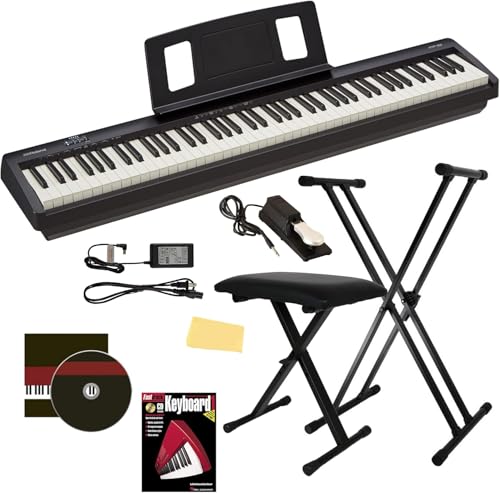
- PHA-4 hammer action and SuperNATURAL piano sound
- Bluetooth MIDI and USB MIDI connectivity
- Includes stand, bench, pedal, and learning materials
Best For: Beginners using lessons, apps, or a computer
Versatile Performance Hub – Yamaha DGX-670B
For digital pianos for home studios, the Yamaha DGX-670B is a feature-rich choice that combines weighted 88-key action with a broad selection of sounds and accompaniment tools. Its CFX stereo sampling, 630 instrument Voices, and USB, Bluetooth, and microphone connectivity make it useful for practice, arranging, and casual recording.
Best For: Home musicians who want realistic piano playing plus built-in backing styles, learning tools, and vocal effects.
Pros:
- Weighted action uses heavier low keys and lighter high keys for an acoustic-style response.
- CFX stereo sampling delivers a rich, resonant Yamaha concert-grand sound.
- Includes 630 Voices and 263 automatic accompaniment Styles for varied arrangements.
- Microphone input, vocal effects, Bluetooth, and learning features expand its studio versatility.
Cons:
- At 67.7 pounds, it is less convenient to move than more compact portable models.
- Stand and bench are sold separately.
- Its many accompaniment and performance features may be more than minimalist setups require.
The DGX-670B is a strong all-in-one option when a home studio needs more than a piano sound. It is particularly appealing for players who want to build arrangements, perform with backing tracks, or sing while playing.
Creative Arrangement Center – Roland FP-E50
The Roland FP-E50 gives digital pianos for home studios a broad creative range, pairing an 88-note hammer-action keyboard with Roland’s SuperNATURAL Piano engine and an expandable ZEN-Core sound library. Its extensive sounds, interactive accompaniment, Bluetooth audio and MIDI, and microphone effects support writing, practice, and performance.
Best For: Experienced home-studio players who want a portable piano with extensive sounds, backing styles, and vocal-processing options.
Pros:
- PHA-4 Standard hammer-action keys and SuperNATURAL Piano sounds provide an authentic playing experience.
- Offers 1,018 onboard sounds spanning piano, synth, orchestral, guitar, bass, drums, and more.
- Interactive accompaniment styles can provide dynamic backing for performances and songwriting.
- Includes Bluetooth audio and MIDI, Roland app integration, and a microphone with vocal effects.
Cons:
- Bluetooth headphones are not supported.
- Its professional-oriented feature set may have a steeper learning curve for beginners.
- Additional sound libraries require expansion through Roland Cloud.
The FP-E50 is well suited to a home studio that functions as both a keyboard workstation and a performance space. Its large sound palette and accompaniment features make it especially useful for arranging complete ideas without relying exclusively on external instruments.
Streamlined Practice Piano – Yamaha P71
For digital pianos for home studios, the Yamaha P71 focuses on essential piano performance rather than an extensive workstation feature set. Its 88 weighted, touch-sensitive keys, Yamaha grand-piano Voice, USB connectivity, and compact design make it a straightforward choice for practice and basic computer-based music work.
Best For: Beginners and minimalist home studios seeking an affordable-feeling, uncomplicated weighted keyboard.
Pros:
- 88 weighted keys provide an acoustic-piano-style playing response.
- Ten built-in Voices include a Yamaha grand-piano sound and other useful options.
- Dual Mode lets players layer sounds such as piano and strings.
- Simple controls, built-in speakers, USB connectivity, and an included sustain pedal keep setup practical.
Cons:
- With only 10 Voices, it offers less sound variety than the other featured models.
- It does not include the accompaniment, vocal, or extensive app features found on more advanced keyboards.
- The streamlined control set may be limiting for complex production workflows.
The P71 is a sensible starting point when realistic key feel and a clean workflow matter more than a large feature list. It works best as a dedicated practice piano or a simple MIDI-oriented keyboard in a compact home setup.
Balanced Portable Performer – Roland FP-30X
The Roland FP-30X balances a portable design with the features many home studios need from digital pianos for home studios. Its SuperNATURAL Piano engine, PHA-4 keyboard, 22-watt stereo speakers, Bluetooth audio and MIDI, and app support make it useful for practice, lessons, streaming, and recording setups.
Best For: Beginners and intermediate players who want realistic piano action with modern connectivity and a compact footprint.
Pros:
- PHA-4 Standard 88-note keyboard provides weighted, ivory-feel keys.
- SuperNATURAL Piano technology supports expressive changes from pianissimo to fortissimo.
- 22-watt stereo speakers deliver room-filling sound for home use.
- Bluetooth audio and MIDI, USB connections, and Piano Partner 2 app integration support connected workflows.
Cons:
- Bluetooth headphones are not supported.
- Its onboard sound selection is more limited than the FP-E50’s 1,018 sounds.
- The portable cabinet may require a separate stand or suitable desktop support in a studio.
The FP-30X is a practical middle ground for players who want better expressiveness and connectivity without moving to a larger workstation-style instrument. Its dedicated desktop optimization setting is also useful when the piano shares space with studio equipment.
Compact Bluetooth Pick – Yamaha P145BT
The Yamaha P145BT is a practical choice for digital pianos for home studios when space, portability, and straightforward connectivity matter. Its 88 weighted, touch-sensitive keys, compact design, built-in speakers, Bluetooth audio, and compatibility with Yamaha apps make it suitable for practice and casual recording setups.
Best For: Home-studio players who want an authentic weighted-key feel in a slim, portable instrument.
Pros:
- 88 weighted keys with Graded Hammer Compact action provide a natural piano feel.
- Bluetooth audio supports playing along with streamed music.
- Smart Pianist and Rec’n’Share app compatibility supports practice and sharing.
- Music rest, sustain foot switch, and AC adapter are included.
Cons:
- Its compact design provides fewer dedicated console-style features than a larger home piano.
- It has a single 6.35mm headphone jack.
The P145BT balances an acoustic-style playing response with a lightweight, room-friendly build. It is especially appealing when you need an 88-key instrument that can move between practice spaces or integrate easily with mobile apps.
Beginner Studio Favorite – Roland FP-10
The Roland FP-10 is a strong option among digital pianos for home studios, combining an 88-note authentic-feel keyboard with USB/MIDI connectivity for computers and DAW software. Its SuperNATURAL Piano sound engine, headphone output, and built-in speakers cover both quiet practice and basic production work.
Best For: Beginners and developing players who want a compact piano with computer, MIDI, and app connectivity.
Pros:
- SuperNATURAL Piano tones deliver a responsive acoustic-piano-style sound.
- 88-note keys feature an authentic acoustic feel and ivory feel.
- USB/MIDI connectivity supports GarageBand, computers, and DAW software.
- Twin Piano mode and included foot switch support lessons and immediate practice.
Cons:
- The matching KSCFP10 stand is optional rather than included.
- Its 3.5mm headphone jack may require an adapter for some studio headphones.
With recording-friendly connectivity and a realistic keyboard action, the FP-10 is well suited to a compact beginner or intermediate setup. The optional stand lets you choose between a portable arrangement and a more permanent piano-style installation.
Console-Style Learning Choice – Casio Privia PX-770
The Casio Privia PX-770 suits digital pianos for home studios where a permanent console design and learning features are priorities. It combines 88 Tri-Sensor II scaled hammer-action keys, AiR grand piano sound, stereo speakers, USB-MIDI, and a cabinet with a sliding key cover.
Best For: Home players who want a furniture-style digital piano for lessons, practice, and MIDI-based studio work.
Pros:
- AiR Sound Source includes stereo grand piano, damper resonance, and 19 tones.
- Tri-Sensor II hammer action offers ebony/ivory-feel keys and adjustable touch sensitivity.
- Duet Mode, dual headphone jacks, built-in songs, and Concert Play support learning.
- USB-MIDI connects to Mac, PC, iOS, and Android without drivers.
Cons:
- At 69.5 pounds, it is substantially less portable than compact slab-style models.
- The console cabinet requires more dedicated floor space.
The PX-770 is a better fit for a fixed home setup than for frequent transport. Its strong onboard learning tools, cabinet design, and USB-MIDI connection make it a versatile centerpiece for practice and home-studio composition.
Ready-to-Play Pick – Yamaha P-143 Bundle
For shoppers comparing digital pianos for home studios, the Yamaha P-143 bundle is a straightforward setup with an 88-key weighted keyboard, stand, bench, music rest, sustain foot switch, and AC adapter. Its slim design, headphone output, built-in speakers, and one-button controls suit practice and basic recording or playing environments.
Best For: Home musicians who want a complete, space-conscious Yamaha setup with realistic piano feel.
Pros:
- Includes the keyboard, stand, bench, music rest, sustain foot switch, and AC adapter.
- 88 weighted keys and a grand-piano sound profile provide an acoustic-style playing experience.
- Built-in speakers, multiple voices, split mode, and a 3.5mm headphone jack add flexibility.
- Lightweight 24.5-pound keyboard is easier to move than cabinet-style models.
Cons:
- The supplied details do not list Bluetooth or USB MIDI connectivity.
- Its one-year manufacturer warranty has specific authorized-retailer and U.S.-use conditions.
The P-143 is a practical choice when you value a familiar Yamaha piano sound and an all-in-one accessory package more than extensive accompaniment features or studio connectivity.
Feature-Rich Cabinet Choice – Donner DDP-400
The Donner DDP-400 brings a full upright-style cabinet to the digital pianos for home studios category. Its progressive hammer-action keyboard, Bluetooth and USB MIDI connectivity, recording functions, 138 tones, and 100 rhythms make it suited to players who want more arranging and practice tools built into the instrument.
Best For: Experienced players and home studios that have room for a substantial cabinet piano and want broad onboard features.
Pros:
- 88-key progressive weighted hammer-action keyboard uses a heavier low end and lighter high end.
- Offers 128-note polyphony, 138 tones, 100 rhythms, demos, etudes, and accompaniment controls.
- Bluetooth and USB MIDI support app-based lessons, recordings, and music arrangement.
- Extended speaker cabinet, 15W dual amplifiers, and metal pedals support a fuller playing setup.
Cons:
- At 117 pounds, it is considerably less portable than a slim digital piano.
- The 54.33-inch-deep cabinet requires substantial floor space.
- The included headphones use a 6.35mm jack, which may require an adapter for some headphones.
The DDP-400 is compelling for feature-focused users who want a furniture-style instrument with extensive sounds and rhythms, but its size and weight make it better suited to a permanent studio position.
Learning and MIDI Pick – Roland FP-10 Bundle
The Roland FP-10 bundle is a strong option among digital pianos for home studios when realistic touch and app-based learning matter. It pairs an 88-key PHA-4 Standard hammer-action keyboard and SuperNATURAL Piano sound engine with Bluetooth MIDI, USB MIDI, and an adjustable stand, bench, sustain pedal, and learning materials.
Best For: Beginners and home players who want authentic piano response plus lessons and computer or app connectivity.
Pros:
- PHA-4 Standard hammer-action keyboard delivers responsive, acoustic-style dynamics.
- Roland SuperNATURAL Piano sound engine provides a detailed, expressive piano profile.
- Bluetooth MIDI and USB MIDI work with computers and Roland Piano Partner 2.
- Bundle includes an adjustable stand, bench, sustain pedal, book, online lessons, and DVD.
Cons:
- The supplied details do not list built-in speakers or multiple onboard voices.
- The bundle is oriented toward beginners and learning, with fewer stated accompaniment features than the Donner.
The FP-10 makes sense for a compact home learning and recording station, particularly if you plan to use MIDI apps or a computer while prioritizing Roland’s hammer action and piano sound.
How We Picked the Best Digital Pianos for Home Studios
We focused on the features that matter most in a home recording and practice environment: 88-key weighted action, useful acoustic-piano sounds, headphone-friendly operation, MIDI or USB connectivity, speaker quality, size, and included accessories. We also considered whether each piano suits a particular use case, such as learning, composing, arranging, quiet practice, or building a complete starter setup.
Because bundles and product listings can vary, verify the exact accessories, connectivity, and regional specifications before buying. A stand, bench, or sustain pedal can add meaningful value, but only if the included hardware fits your space and playing position.
Quick Comparison
- Best for versatile home production: Yamaha DGX-670B, with an expansive feature set for arranging and songwriting.
- Best for expressive all-in-one performance: Roland FP-E50, especially for players who want accompaniment and modern stage-style features.
- Best compact value options: Yamaha P-71, Yamaha P-143, Roland FP-10, and Roland FP-30X.
- Best console-style choice: Casio Privia PX-770, with furniture-style presentation for a dedicated room.
- Best complete starter bundles: The Yamaha P-143 and Roland FP-10 packages, depending on the included stand, bench, and pedal configuration.
Key Buying Factors for Digital Pianos for Home Studios
Key Action and Playing Feel
For classical practice and expressive recording, prioritize a convincing 88-key weighted action. Hammer-action designs generally provide a more piano-like response, while graded or scaled weighting can make the lower keys feel heavier than the upper register. Try to check whether the action feels too light, noisy, or resistant for your playing style.
Recording and Studio Connectivity
USB MIDI is useful for controlling virtual instruments and notation software, while USB audio can simplify recording the piano’s sound directly into a computer. Traditional MIDI connections may still help with older hardware. If you plan to record with microphones or external instruments, confirm that the piano complements your audio interface rather than replacing it.
Sounds, Speakers, and Quiet Practice
A strong acoustic-piano tone matters most, but electric pianos, organs, strings, and accompaniment features can expand a home studio’s usefulness. Built-in speakers are convenient for practice; headphone output is essential when others are nearby. Check the number and placement of headphone jacks if you teach or play duets.
Size, Stand, and Bundle Value
Portable slab pianos are easier to move and fit beneath a desk or on a dedicated stand. Console models look more permanent but require more floor space. Compare the total cost of a suitable stand, bench, sustain pedal, and music rest—not just the keyboard price.
Who Should Buy Which Digital Pianos for Home Studios?
Beginners should prioritize dependable weighted keys, simple controls, a sustain pedal, and a comfortable stand or bench. Songwriters and producers may prefer broader sounds, accompaniment tools, and computer connectivity. Advanced pianists should focus first on action quality, dynamic response, pedal behavior, and the realism of the main piano voice. Apartment players should choose a compact model with headphone support, while families or teachers may benefit from dual headphones, lesson features, and a complete bundle.
Before purchasing, measure your available space, confirm the instrument’s weight, and check current listing details. The best digital piano for your studio is the one whose action, connections, sound library, and included accessories support how you will actually play and record.
