Choosing the right acoustic panels for podcast room setups can make a bigger difference than upgrading your microphone. The goal is simple: reduce echo, tame reflections, and help spoken voice sound clearer and more professional.
In this roundup, we focused on panel types that fit real podcast spaces, from budget foam tiles to decorative wall panels that blend into a studio or home office.
Best 10 Acoustic Panels for Podcast Room Picks for 2026
Groove-Style Foam Treatment
TroyStudio Thick Acoustic Foam Panels, 12 x 12 x 2 Inch
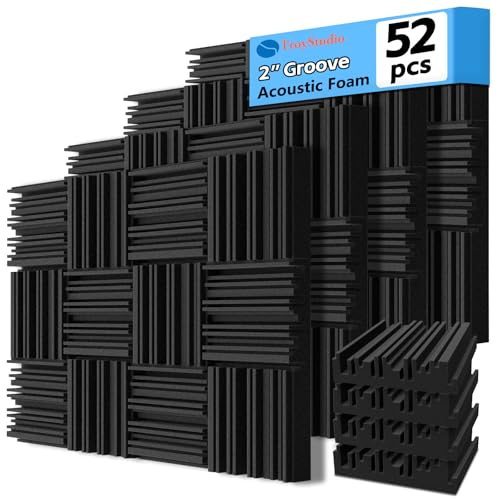
- 52 sq ft coverage from 52 foam panels
- NRC 0.8 helps reduce echo and reverb
- Flame-retardant, odorless, and easy to cut
Best For: Large podcast rooms and budget-friendly wall coverage
Large PET Studio Kit
Acoustic Panels, 4 Pack ROOM KIT, Large, 46 x 23, Black
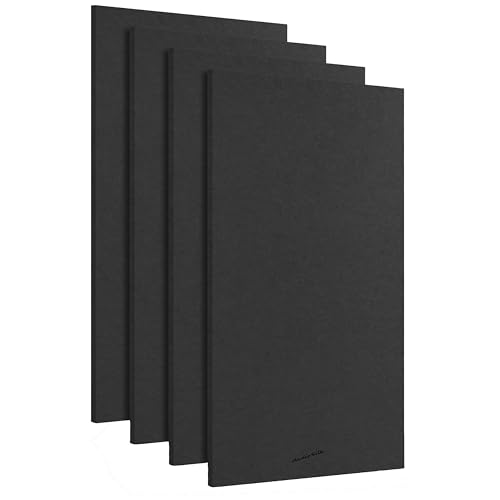
- Large PET panels rated up to NRC 0.91
- Recycled material with no harsh chemical smell
- Removable install suits rented spaces
Best For: Serious podcast rooms needing higher-performance treatment
Pyramid Echo Control Foam
24 Pack 2" Thick Pyramid Acoustic Foam

- 24 sq ft of coverage from 24 foam panels
- Pyramid design boosts absorption surface area
- Flame-retardant and lightweight to install
Best For: Small podcast rooms and vocal booths
Wood Slat Design Panels
Art3d 6-Piece Wood Slat Acoustic Panels

- Decorative walnut look for visible rooms
- MDF plus polyester fiber construction
- Easy wall or ceiling mounting
Best For: Style-conscious podcasters who want decor-friendly treatment
Heavy-Duty Foam Coverage
Knightsacoustic 96 Pack Sound Proof Foam Panels

- 96 panels for wide wall coverage
- Absorbs echo and standing waves
- Not adhesive; requires separate mounting
Best For: Large podcast rooms and studios needing affordable echo control
Decorative Acoustic Art
Soon Global Acoustical Wall Panels

- Grooved polyester fiber absorbs sound
- Wood-texture print adds a finished look
- Includes adhesive squares for easy install
Best For: Stylish podcast rooms and creator spaces
Easy-Install Foam Value
22 Pack Acoustic Panels with Self-Adhesive

- Self-adhesive for fast installation
- 0.95 absorption coefficient for echo control
- 0.4-inch panels with decorative edge design
Best For: Quick-install podcast rooms and small home studios
Artistic Large-Format Panels

- Decorative acoustic panels with art-style design
- Self-adhesive and easy to install
- Large 6-pack covers substantial wall space
Best For: Podcast rooms and studios that need stylish echo reduction
High-Density Foam Basics
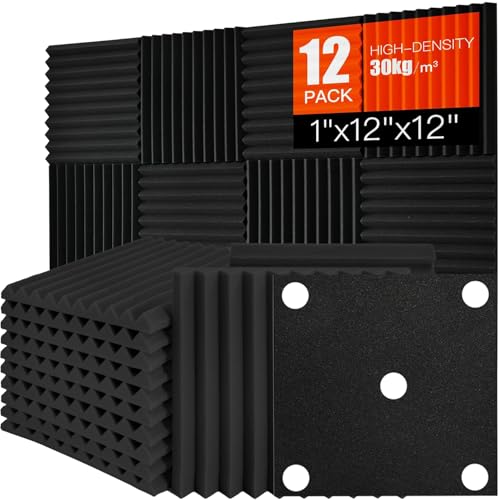
- Targets podcast rooms, studios, and streaming setups
- High-density foam reduces reflections and echo
- Includes adhesive options for installation
Best For: Voice-focused rooms needing simple acoustic treatment
Hexagon Polyester Tiles

- Self-adhesive tiles are easy to install and cut
- Non-toxic polyester fiber with beveled edges
- Covers 11.3 sq ft per 18-pack
Best For: Small podcast rooms and offices needing flexible acoustic coverage
Groove-Style Foam Treatment – TroyStudio Thick Acoustic Foam Panels, 12 x 12 x 2 Inch
If you want acoustic panels for podcast room use that focus on echo control rather than full soundproofing, this TroyStudio foam kit is built for the job. The 2-inch thick, high-density open-cell foam and groove texture are designed to reduce reverb, standing waves, and sound reflections in small recording spaces.
Best For: Podcasters, streamers, and home studio users who want broad coverage and a decorative foam look.
Pros:
- 52 panels provide 52 square feet of coverage for larger wall or ceiling treatment areas.
- NRC 0.8 and average absorption coefficient 0.77 support strong reverberation control.
- Flame-retardant, odorless, and non-toxic according to the supplied notes.
- Easy to cut and install with external adhesive, spray adhesive, or small screws.
Cons:
- Designed for sound absorption, not full soundproofing or isolation.
- Adhesive is not included and TroyStudio’s tape is sold separately.
- The foam aesthetic may not suit every room style.
Overall, this is a practical large-pack option if your priority is taming room echo in a podcast setup while keeping installation straightforward. The grooved design also adds a bit more visual texture than plain foam.
Large PET Studio Kit – Acoustic Panels, 4 Pack ROOM KIT, Large, 46 x 23, Black
For acoustic panels for podcast room setups where performance matters more than foam styling, this large PET panel kit is aimed at serious room treatment. The high-density recycled material is rated up to NRC 0.91 and is intended to reduce flutter echo, reverb, and distortion in recording spaces.
Best For: Project studios, rented rooms, and podcasters who want higher-performance panels with a clean look.
Pros:
- Large 45.7 x 22.8 inch panels cover more area per piece.
- High-density PET construction offers up to NRC 0.91, per the supplied notes.
- Made from post-consumer recycled material with no harsh chemical smell.
- Removable installation option is well suited to rented or temporary spaces.
Cons:
- Sticky strips are sold separately.
- Coverage is limited to 4 panels, so you may need multiple kits for a bigger room.
- More expensive-style treatment than basic foam, depending on your budget.
This kit stands out if you want a more studio-grade acoustic upgrade than standard foam panels. It is a strong choice when you want both room treatment and a neat, modern appearance.
Pyramid Echo Control Foam – 24 Pack 2" Thick Pyramid Acoustic Foam
If you’re comparing acoustic panels for podcast room use and want a classic foam option, this pyramid-style kit is focused on echo reduction and easy wall or ceiling placement. The 2-inch, high-density foam is designed to absorb sound waves and improve acoustic balance in small recording environments.
Best For: Podcast studios, vocal booths, and home setups that need straightforward echo control.
Pros:
- 24 panels cover 24 square feet, which is useful for targeted treatment.
- Pyramid shape increases surface area for absorption and adds a modern look.
- Flame-retardant certified foam adds a safety benefit.
- Lightweight panels are easy to install with adhesive or nano tape.
Cons:
- Not intended for full soundproofing or external noise isolation.
- Adhesive and tape are not included.
- Coverage may be limited if you are treating a larger room.
This is a solid, no-frills option for reducing echo in a podcast environment. It should appeal to buyers who want a familiar acoustic foam design with practical installation and moderate coverage.
Wood Slat Design Panels – Art3d 6-Piece Wood Slat Acoustic Panels
For acoustic panels for podcast room projects where style matters as much as sound treatment, this wood slat set offers a more decorative approach. The MDF and high-density polyester fiber construction is designed for noise-cancellation while delivering a warm walnut finish that looks more like interior design than studio foam.
Best For: Podcasters who want a more polished, decorative panel style for walls or ceilings.
Pros:
- Wood slat design adds a natural, upscale look to a recording space.
- Made with MDF and high-density polyester fiber, with low TVOC levels noted.
- Can be mounted on walls or ceilings with basic tools.
- Comes in six long panels for a distinctive visual treatment.
Cons:
- Coverage is limited compared with bulk foam kits.
- The supplied notes emphasize style and noise-cancellation, not maximum absorption specs.
- A sample pack is suggested before a full order.
This is the right pick when your podcast room also serves as a visible production or office space and you want treatment that blends into the decor. It is more design-forward than typical foam panels, which may be the main reason to choose it.
Heavy-Duty Foam Coverage – Knightsacoustic 96 Pack Sound Proof Foam Panels
If you need acoustic panels for podcast room treatment on a budget, this 96-pack foam set gives you broad wall coverage for taming echo and flutter. The 1-inch polyurethane foam wedges are built for sound absorption rather than full sound blocking, so they’re a practical choice for improving clarity in a small recording space, booth, or studio corner.
Best For: Podcasters, streamers, and home studios that need large-area echo control with simple foam coverage.
Pros:
- 96 panels provide generous coverage for treating multiple walls or a larger room.
- Designed to absorb reverberation, standing waves, and unwanted background noise.
- High-density foam is made to recover shape after compression.
- Non-toxic, low-odor material suits personal studio spaces.
Cons:
- Not adhesive, so you’ll need to add your own mounting solution.
- Foam panels manage reverberation but do not provide true soundproofing.
For podcast rooms that need broad acoustic treatment more than decorative styling, this pack is a straightforward way to cover a lot of surface area. It’s especially useful when the main goal is reducing echo and cleaning up recorded voice, not blocking outside noise.
Decorative Acoustic Art – Soon Global Acoustical Wall Panels
These acoustic panels for podcast room use are aimed at creators who want treatment that looks as polished as it performs. The polyester-fiber panels use groove patterns and a wood-texture print to help absorb sound across a larger surface while also turning a wall into a visual feature.
Best For: Podcast rooms, home studios, and content spaces where design matters as much as sound control.
Pros:
- Grooved polyester-fiber surface is engineered for sound absorption and echo reduction.
- Wood-texture print creates a decorative, unified wall look across adjoining panels.
- Includes 30 transparent adhesive squares for tool-free mounting.
- Lightweight and suitable for home theaters, studios, and living spaces.
Cons:
- Sold as a 6-piece set, so coverage is more limited than foam bulk packs.
- Designed for acoustic improvement, not full sound isolation.
If you want panels that double as wall art, this set stands out with its seamless visual design and easy installation. It’s a smart pick when you want to improve voice clarity in a podcast room without making the space look purely functional.
Easy-Install Foam Value – 22 Pack Acoustic Panels with Self-Adhesive
For a podcast room where setup speed matters, these self-adhesive acoustic panels offer an easy way to reduce echo and tighten up vocal recordings. The 12 x 12 inch polyester-fiber panels are rated for strong sound absorption, and the beveled, multi-line design gives them a cleaner look than plain foam squares.
Best For: Home podcasters and small studios that want quick-install acoustic treatment with built-in adhesive.
Pros:
- Self-adhesive backing makes installation simple on walls, doors, windows, or ceilings.
- Sound absorption coefficient of 0.95 targets echo, standing waves, and high noise.
- Beveled edge and multi-line design can be arranged into decorative patterns.
- Polyester fiber material is low-odor and B1 class flame retardant.
Cons:
- At 0.4 inches thick, they may offer less depth than thicker foam options.
- Coverage is smaller than larger bulk packs for full-room treatment.
This is a practical option if you want acoustic panels that are easy to mount and still look intentional on the wall. It fits well in compact podcast setups where fast installation and reliable echo control are the main priorities.
Artistic Large-Format Panels – Lake of the Sky
If you want acoustic panels for podcast room use that do double duty as decor, this large 6-pack is built to reduce echoes while looking more like wall art than studio foam. The polyester fiber construction, self-adhesive backing, and oversized 72″ x 48″ coverage make it a practical choice for bigger rooms where style matters as much as sound control.
Best For: Podcast rooms, personal studios, and living spaces that need decorative echo reduction.
Pros:
- Art-forward design blends acoustic treatment with decorative wall art.
- Self-adhesive installation makes setup straightforward.
- 100% polyester fiber construction is odorless and fire-resistant.
- Large 6-pack format covers substantial wall space for bigger rooms.
Cons:
- Bulky panels may be more than you need for a small recording area.
- Primarily absorbs echo and reverberation rather than providing true soundproofing.
Overall, this is a strong pick if you want acoustic treatment that also elevates the look of your podcast space. It is especially appealing when you need broad coverage and prefer a cleaner, more decorative solution than traditional foam.
High-Density Foam Basics – 12 Pack Wedge Foam
For acoustic panels for podcast room setups where echo control matters more than decoration, this 12-pack wedge foam kit is a straightforward option. The 1-inch high-density foam is designed to manage reflections and reduce reverberation in podcast rooms, vocal booths, and other content-creation spaces, while the included adhesive options make installation easier.
Best For: Podcast booths, recording spaces, and home studios focused on clearer voice capture.
Pros:
- Designed for studios, podcast rooms, vocal booths, and streaming setups.
- High-density wedge foam helps reduce echoes and manage reflections.
- Includes adhesive options for easier wall mounting.
- Fire-resistant, non-toxic foam is suitable for everyday home use.
Cons:
- At 1 inch thick, it is mainly for acoustic treatment, not structural soundproofing.
- Vacuum-packed panels need 24-48 hours to fully expand.
This is a practical no-frills choice for tightening up voice recordings and cutting down room reflections. If your priority is clearer speech in a podcast or content-creation space, it delivers the basics in a compact, easy-to-install format.
Hexagon Polyester Tiles – Black Hexagon
These acoustic panels for podcast room use are a good fit if you want a lightweight, self-adhesive solution that is easy to customize. The 0.4-inch polyester fiber tiles can be cut to shape, cover 11.3 square feet per 18-pack, and are meant to reduce unwanted echoes while adding a clean geometric look.
Best For: Podcast rooms, home offices, and small studios that need easy wall coverage.
Pros:
- Self-adhesive backing makes installation quick and simple.
- Can be cut with a knife for custom layouts and shapes.
- 100% polyester fiber is non-toxic and formaldehyde-free.
- Beveled edge design helps panels fit together neatly.
Cons:
- Thin 0.4-inch profile is better for absorption than heavy-duty isolation.
- Coverage per pack is moderate, so larger rooms may need multiple sets.
For creators who want a flexible, decor-friendly treatment, this pack is easy to place and easy to style. It is especially useful for smaller podcast setups where you want to tame reflections without a complicated install.
How We Picked the Best Acoustic Panels for Podcast Room
For Acoustic Panels for Podcast Room use, we looked at sound absorption potential, thickness, coverage, installation method, durability, and how well each option fits common recording spaces. We also favored panels that make sense for first-time buyers, whether the goal is a small desk setup or a larger treated room.
Quick Comparison
Foam panels are usually the most affordable and easiest to place around a mic area, but they are best for reducing flutter echo and high-frequency reflections. Fabric-wrapped and decorative acoustic wall panels tend to offer better aesthetics and often broader treatment coverage, making them stronger choices for visible studio walls or multi-use rooms. Self-adhesive panels are convenient, while larger tiles can speed up installation on bigger surfaces.
Key Buying Factors for Acoustic Panels for Podcast Room
Thickness and Density
Thicker, denser panels generally absorb more sound, especially in the midrange where speech lives. Thin foam can help with brightness and echo, but it will not solve all room acoustics issues.
Coverage and Placement
A few panels near the microphone may help, but treating first reflection points, side walls, and the area behind the speaker usually delivers better results. For many home setups, more coverage matters more than a single premium panel.
Mounting Style
Self-adhesive options are fast and convenient, but they may be less forgiving if you want to reposition panels. Larger framed panels or slat-style designs often require more planning but can look cleaner in a finished studio.
Room Use and Appearance
If the recording space doubles as an office, bedroom, or living area, decorative panels may be the best fit. If the room is purely functional, simple foam can be the most cost-effective way to improve voice quality.
Who Should Buy Which Acoustic Panels for Podcast Room?
Budget-focused buyers and beginners should start with foam panels for targeted echo reduction. Podcasters who want a polished look or broader wall coverage should consider decorative fabric or wood-slat panels. If your room is large or especially reflective, choose panels with more total coverage rather than just the cheapest pack count. The best Acoustic Panels for Podcast Room setups are the ones that match your space, your setup, and how much visual impact you want the treatment to have.
