Choosing the right audio interface for condenser microphone setups can make a bigger difference than the mic itself. Clean gain, reliable phantom power, and low-noise inputs help your recordings sound more polished right away.
Below, we’ve rounded up 10 strong options for beginners, streamers, musicians, and podcasters, with a practical buyer’s guide to help you choose the best fit for your setup and budget.
Best 10 Audio Interface for Condenser Microphone Picks for 2026
Best for Simple Vocal Recording
Focusrite Scarlett Solo 3rd Gen

- Clean mic preamp with Air mode for brighter vocals
- 24-bit/192kHz recording for detailed capture
- USB-powered, compact design for easy setup
Best For: Solo vocalists, podcasters, and singer-songwriters who want a simple, dependable interface.
Best for Two-Person Streaming
Brvomussy Podcast Bundle for 2

- Includes 2 condenser mics and boom arms
- Voice changer and DSP effects for streaming
- Plug-and-play compatibility with many devices
Best For: Duo streamers, beginner podcasters, and gamers who want an all-in-one starter kit.
Best for Dual Headphone Monitoring
SSL 2 Plus MKII USB Audio Interface
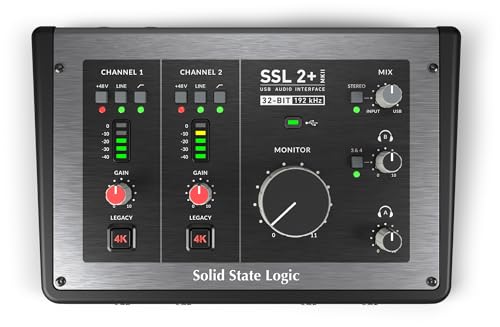
- Two SSL mic preamps with 48V phantom power
- Dual headphone outs and four balanced line outputs
- 32-bit/192 kHz conversion with loopback and MIDI I/O
Best For: Podcasters, home producers, and musicians who need flexible monitoring and clean condenser mic support.
Best for Easy Setup
PIYONE 2x2 USB-C Audio Interface

- Plug-and-play USB-C operation with no drivers needed
- 48V phantom power supports condenser microphones
- 24-bit/192kHz capture with direct monitoring and loopback
Best For: Beginners and solo creators who want a simple interface for condenser mics and fast setup.
Best Compact USB Option
Mackie Onyx Artist 1x2 USB Audio Interface

- Compact 1x2 interface for simple home recording
- Easy USB setup for solo vocals and podcasting
- Clean, practical choice for single-mic workflows
Best For: Solo streamers, podcasters, and home studio users who need a simple interface for one condenser mic.
Best Starter Studio Bundle

- Includes condenser mic and headphones
- Auto Gain and Clip Safe simplify setup
- Clean 120dB-range Focusrite conversion
Best For: Beginners and solo creators building a complete home recording setup.
Best for Simple Dual-Input Recording
M-AUDIO M-Track Duo USB Audio Interface
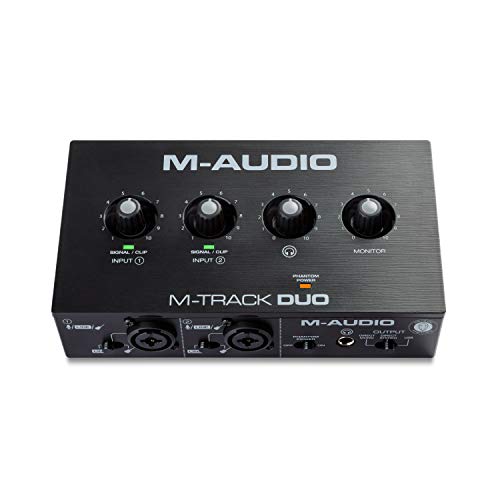
- Supports condenser mics with phantom power and clean preamps
- Two combo inputs handle vocals, guitar, or line-level sources
- Direct monitoring helps avoid latency during recording or streaming
Best For: Beginners and budget-minded creators who want an easy interface for condenser mics and dual-source recording.
Best Complete Bundle
Focusrite Scarlett Solo Studio 4th Gen

- Includes interface, condenser mic, and headphones
- 120dB dynamic range with Focusrite 4th Gen converters
- Air mode adds presence for vocals and guitars
Best For: Songwriters and podcasters who want an all-in-one recording kit.
Best Budget Starter
XTUGA Q-12 USB Audio Interface

- 48V phantom power for condenser mics
- Plug-and-play USB setup for PC recording
- Low-latency monitoring for vocal tracking
Best For: Beginners and budget shoppers setting up a simple condenser mic recording rig.
Best for Phantom-Powered Mics
USB Audio Interface for PC, Q-12
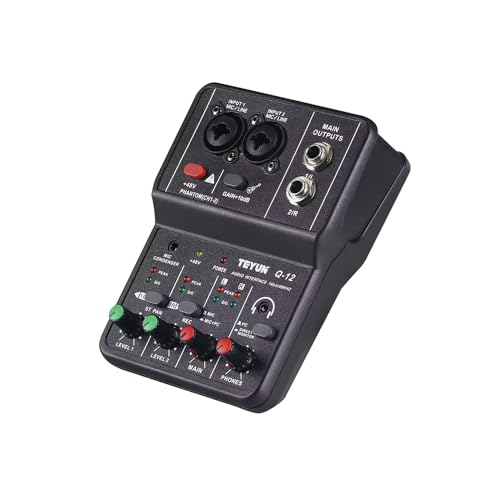
- 48V phantom power for condenser mics
- Plug-and-play USB with ultra-low latency
- Independent gain and volume controls
Best For: Beginners and home recordists who need a simple interface for condenser microphones.
Best for Simple Vocal Recording – Focusrite Scarlett Solo 3rd Gen
If you want an easy-to-use audio interface for condenser microphone recording, the Focusrite Scarlett Solo 3rd Gen is a smart pick for solo vocalists, podcasters, and singer-songwriters. It pairs a high-quality mic preamp with 24-bit/192kHz conversion, so you can capture clean, detailed takes without a complicated setup.
Best For: Solo creators who need a reliable, beginner-friendly interface for vocals, acoustic instruments, and podcasting.
Pros:
- Upgraded mic preamp and switchable Air mode add clarity and presence to vocal recordings.
- Gain Halo metering helps set levels quickly and avoid clipping.
- High-headroom instrument input is ideal for guitar or bass.
- Compact USB-powered design makes it easy to use at home or on the go.
Cons:
- Only one mic input, so it is not built for multi-person recording.
- Limited input count may feel restrictive for expanding studio setups.
- Best suited to simple sessions rather than more advanced production workflows.
Overall, the Scarlett Solo 3rd Gen is a strong audio interface for condenser microphone users who want straightforward operation and dependable sound quality. It delivers enough polish for serious demos, streaming, and podcast work without overcomplicating the recording process.
Best for Two-Person Streaming – Brvomussy Podcast Bundle for 2
If you need an audio interface for condenser microphone setups that also works as a compact streaming hub, this Brvomussy bundle is built for simple two-person podcasts, gaming chats, and live sessions. It combines a mixer-style sound card with two condenser mics, voice effects, and broad device compatibility, so beginners can get started quickly without piecing together separate gear.
Best For: Duo streamers, beginner podcasters, and gamers who want an all-in-one starter kit for two microphones.
Pros:
- Includes 2 condenser microphones plus boom arms and accessories for a complete two-person setup
- Built-in sound effects, voice changer modes, and DSP noise reduction add flexibility for streaming
- Works with PC, smartphones, Mac, Android, iOS, and game consoles for broad compatibility
- Plug-and-play design makes it easier for beginners to start recording or live streaming
Cons:
- Voice effects and mixer controls may be more than some users need for basic mic-only use
- Bundle design is better for entry-level streaming than for pro studio recording
- Included accessories are useful, but the setup is still bulkier than a standalone interface
This is a practical pick if you want an audio interface for condenser microphone use with extra features for content creation, especially when two people need to talk, stream, or sing at once. It is less about audiophile precision and more about convenience, effects, and a ready-to-go bundle.
Best for Dual Headphone Monitoring – SSL 2 Plus MKII USB Audio Interface
If you need an audio interface for condenser microphone recording with clean gain, solid monitoring, and room to expand, the SSL 2 Plus MKII is an easy contender. It pairs two SSL mic preamps with 48V phantom power, 32-bit/192 kHz conversion, and practical studio features like loopback, high-pass filters, and MIDI I/O.
Best For: Podcasters, home producers, and live-studio musicians who want dual headphone outputs and SSL-grade mic preamps in a compact USB interface.
Pros:
- Two SSL mic preamps with 48V phantom power for condenser mics
- Dual headphone outputs plus four balanced line outs for flexible monitoring
- 32-bit/192 kHz conversion, zero-latency monitoring, and stereo loopback
- Legacy 4K analog enhancement adds some extra polish when desired
Cons:
- Only two mic inputs, so it is not ideal for larger multi-mic sessions
- Premium feature set may be more than casual users need
Overall, the SSL 2 Plus MKII stands out as a polished audio interface for condenser microphone setups where monitoring flexibility matters as much as sound quality. It is especially appealing if you want SSL’s cleaner preamp reputation plus a compact bus-powered design that is straightforward to use.
Best for Easy Setup – PIYONE 2×2 USB-C Audio Interface
If you want an audio interface for condenser microphone recording without a complicated setup, the PIYONE 2×2 is built for quick plug-and-play use on Mac, PC, and iOS. It combines 48V phantom power, combo inputs, and 24-bit/192kHz conversion in a compact unit that suits home studios and mobile creators.
Best For: Beginners and solo creators who want a simple, bus-powered interface for condenser mics, vocals, and lightweight recording sessions.
Pros:
- Class-compliant USB-C design with no driver setup required
- 48V phantom power and combo inputs for condenser mics and instruments
- 24-bit/192kHz recording for clean, detailed audio
- Direct monitoring and loopback support for flexible tracking and streaming
Cons:
- Only 2-in/2-out, so it is not ideal for multi-mic recording setups
- Best suited to simple home and portable rigs rather than larger studios
As an audio interface for condenser microphone users, the PIYONE stands out for convenience first: easy connection, phantom power, and solid recording specs in a portable package. If you value fast setup over advanced expansion, it covers the essentials well.
Best Compact USB Option – Mackie Onyx Artist 1×2 USB Audio Interface
The Mackie Onyx Artist 1×2 is a simple, portable audio interface for condenser microphone setups that need clean sound without a complicated workflow. With a two-channel USB design, it suits solo creators who want dependable recording quality for voice, podcasts, and basic music tracking.
Best For: Solo streamers, podcasters, and home studio users who want an easy-to-use interface for one condenser mic.
Pros:
- Compact 1×2 layout keeps desk space and setup hassle to a minimum
- Clean, straightforward signal path for everyday vocal recording
- USB connectivity makes it easy to plug in and start recording
- Portable enough for mobile or small-studio use
Cons:
- Limited to a very simple I/O setup
- Not ideal if you need to record multiple microphones at once
- Best suited to entry-level and single-voice workflows
As an audio interface for condenser microphone users who value simplicity, the Onyx Artist 1×2 is a practical pick rather than a feature-packed one. It shines when you want reliable recording basics and a compact footprint more than advanced routing or expansion.
Best Starter Studio Bundle – Scarlett 2i2 Studio 4th Gen
If you want an audio interface for condenser microphone recording that also gives you the mic and headphones in one box, the Scarlett 2i2 Studio 4th Gen is an easy all-in-one pick. It’s designed to get singers, podcasters, and streamers recording quickly with solid Focusrite conversion, built-in gain tools, and bundled software.
Best For: Beginners and solo creators who want a complete home recording setup without piecing together separate gear.
Pros:
- Includes a condenser mic, headphones, and XLR cable for a ready-to-record setup
- Auto Gain and Clip Safe help prevent bad levels and clipped takes
- 120dB dynamic range and Focusrite preamps deliver clean, detailed sound
- Software bundle adds recording, mixing, and vocal tools right away
Cons:
- Only includes two inputs, so it’s not ideal for larger multi-mic sessions
- Best value is for buyers who will actually use the bundled mic and headphones
Overall, this bundle stands out because it simplifies the purchase for anyone shopping for an audio interface for condenser microphone use. Instead of buying each piece separately, you get a capable interface, a usable studio mic, and monitoring headphones in a package that’s geared toward fast, reliable home recording.
Best for Simple Dual-Input Recording – M-AUDIO M-Track Duo USB Audio Interface
If you need an audio interface for condenser microphone recording without a steep learning curve, the M-AUDIO M-Track Duo is a practical entry-level pick. It gives you two combo inputs, phantom power, and direct monitoring, making it a solid fit for podcasts, vocals, streaming, and basic home studio work.
Best For: Beginners and budget-conscious creators who want an easy USB interface for condenser mics, plus the flexibility to record a second source at the same time.
Pros:
- Phantom power and crystal preamps support condenser microphones cleanly
- Two combo XLR/line/instrument inputs add flexibility for voice, guitar, or line sources
- Direct monitoring with a USB/direct switch helps keep latency low
- Includes MPC Beats software to get started fast
Cons:
- Limited to 48kHz recording, so it is not aimed at higher-end production workflows
- Basic feature set compared with more advanced interfaces
Overall, the M-Track Duo is a straightforward audio interface for condenser microphone users who want dependable sound and simple operation. It stands out most for small setups where ease of use, dual inputs, and included software matter more than premium extras.
Best Complete Bundle – Focusrite Scarlett Solo Studio 4th Gen
If you want an audio interface for condenser microphone recording without piecing together separate gear, the Scarlett Solo Studio 4th Gen bundle makes setup easy. It combines the interface, CM25 MkIII condenser mic, and SH-450 headphones, so you can start tracking vocals, guitar, or podcasts right out of the box.
Best For: Songwriters, vocalists, and podcasters who want an all-in-one starter recording kit with a condenser mic included.
Pros:
- Includes a condenser microphone, headphones, and interface in one bundle
- 4th Gen conversion delivers a wide 120dB dynamic range for cleaner recordings
- Air mode adds extra presence and character to vocals and guitars
- Comes with recording software and plugin bundles to get started fast
Cons:
- Single-input design is better for solo recording than multi-mic setups
- Bundle extras are useful, but experienced users may already own similar gear
This is a practical choice if you want an audio interface for condenser microphone use plus the essentials needed to record immediately. It’s especially appealing for first-time creators who value simplicity, software support, and a polished vocal sound.
Best Budget Starter – XTUGA Q-12 USB Audio Interface
If you need an affordable audio interface for condenser microphone setups, the XTUGA Q-12 covers the basics with 48V phantom power, XLR and 3.5mm input options, and plug-and-play USB connectivity. It is aimed at simple home recording, streaming, and karaoke use rather than advanced studio production.
Best For: Beginners, students, and budget-conscious creators building a small home studio or streaming setup.
Pros:
- 48V phantom power supports condenser microphones
- USB plug-and-play design keeps setup simple on PC
- Low-latency monitoring is useful for vocal tracking
- Compact, durable build suits casual daily use
Cons:
- Limited to entry-level recording needs
- 3.5mm input is less versatile than pro XLR-only interfaces
- No external power supply may limit flexibility in some setups
Overall, the Q-12 is a practical budget pick if you want a simple audio interface for condenser microphone recording without paying for advanced features you may not use. It makes the most sense for straightforward vocal capture, streaming, and beginner home studios.
Best for Phantom-Powered Mics – USB Audio Interface for PC, Q-12
If you need an audio interface for condenser microphone recording without a complicated setup, the Q-12 is a straightforward USB option for home studios and beginner creators. It includes a front-panel XLR input with 48V phantom power, plus an extra 3.5mm mic jack, so you can plug in a condenser mic and start recording vocals, guitar, or bass with minimal fuss.
Best For: Beginners, home recordists, and anyone who wants a simple phantom-powered interface for condenser mics.
Pros:
- 48V phantom power supports condenser microphones
- Ultra-low latency, plug-and-play USB operation
- Independent volume controls and input gain halo meters
- Up to 16-bit/48 kHz recording for basic studio use
Cons:
- Audio quality is geared more toward entry-level than pro tracking
- 3.5mm mic input is less ideal than a full XLR-only setup
- Best suited to simple recordings rather than advanced production workflows
This is a practical audio interface for condenser microphone setups when you want phantom power, simple controls, and a fast USB connection. It’s a sensible pick if your priority is getting clear vocal recordings started quickly rather than chasing high-end studio features.
How We Picked the Best Audio Interface for Condenser Microphone
We focused on models that are well suited to an Audio Interface for Condenser Microphone use, with attention to 48V phantom power, preamp quality, low-latency monitoring, and input flexibility. We also considered whether each interface is a good match for solo recording, dual-mic sessions, streaming, or bundle-based starter setups.
Usability mattered too. Simple gain controls, direct monitoring, solid software support, and dependable connectivity are especially important if you want a hassle-free recording workflow.
Quick Comparison: What Matters Most
For most buyers, the biggest decision is channel count. Solo creators usually need a 1×2 or 2×2 interface, while duet podcasting, instrument tracking, or growing home studios may benefit from extra inputs and outputs. If you only plan to record one condenser mic at a time, a compact interface is often the smartest value.
Also compare headphone monitoring, loopback features for streaming, bundled microphones or software, and whether the interface supports your computer or mobile device without extra adapters.
Key Buying Factors for Audio Interface for Condenser Microphone
Phantom Power and Gain
Condenser mics require 48V phantom power, so confirm the interface provides it cleanly and consistently. Good gain staging also matters, especially if your mic needs more headroom for spoken-word recording or quieter vocal takes.
Noise Floor and Preamps
A lower noise floor helps capture a cleaner signal, particularly in untreated rooms. Better preamps can make a modest condenser mic sound more open and detailed without adding hiss.
Monitoring and Latency
Direct monitoring is helpful for hearing yourself without distracting delay. If you stream or record overdubs, low-latency performance can improve timing and confidence.
Inputs, Outputs, and Workflow
Choose the number of inputs you need now, plus a little room to grow. Two XLR inputs are enough for many home setups, while extra line outputs are useful for studio monitors, external mixers, or more advanced routing.
Software and Bundles
Some starter kits include headphones or a condenser microphone, which can simplify the buying process. Bundled software can also add value if you are building a first recording setup from scratch.
Who Should Buy Which Audio Interface for Condenser Microphone?
If you want the simplest setup for vocals, voiceover, or solo podcasting, a compact single-channel interface is usually enough. If you record with a co-host, guitar, or stereo sources, a 2-input interface is the better all-around choice.
Buy a bundle if you need multiple essentials at once and want an easy entry point. Choose a more premium interface if you care most about cleaner preamps, better monitoring options, and a setup that can grow with your studio.
