If your mixes feel muddy or your room sounds uneven, the corners are usually the first place to treat. Corner bass traps help reduce low-frequency buildup so monitoring becomes more accurate.
This roundup highlights 10 options for different room sizes, budgets, and installation needs, from foam corner blocks to denser panels for stronger bass control.
Best 10 Corner Bass Traps for Home Studio Picks for 2026
Budget Corner Foam Panels
8 Pack Acoustic Foam Bass Trap Studio Foam

- NRC greater than 0.9 foam absorption
- Corner and ceiling mounting design
- Lightweight, glue/tape/nail installation
Best For: Affordable corner treatment in small home studios and apartments
Pro-Grade Framed Trap
ATS Acoustics Corner Bass Trap
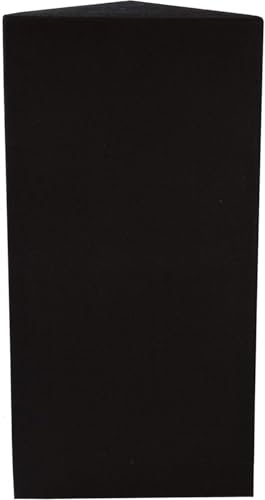
- NRC 1.40 for strong absorption
- Large framed corner trap with wood core
- Includes mounting hardware and template
Best For: Serious home studios wanting durable, high-performance corner treatment
Stackable Super Chunk Option

- Deep 16.5 x 15.8 x 12 inch foam body
- Stackable for taller corner columns
- Built for vertical wall corner buildup
Best For: Modular corner treatment in studios that need deeper foam coverage
Starter Foam Corner Set
JBER 4 Pack Acoustic Foam Bass Trap

- NRC greater than 0.9 foam
- Corner or horizontal wall placement
- Compact 4-pack starter bundle
Best For: Small studios and first-time acoustic treatment buyers
Upper-Corner Ceiling Coverage
Trihedral Ceiling Corner Foam Traps

- Built for trihedral ceiling corners
- 12-inch deep pyramid foam
- 4-pack covers up to four upper corners
Best For: Studios and home theaters needing ceiling-corner bass control
Budget Foam Corner Kit
Fire-Retardant 8-Pack Bass Traps

- High-density foam for low-frequency standing waves
- Fire-retardant B1 class performance
- 8-pack for flexible corner coverage
Best For: Budget-minded rooms needing broad foam corner treatment
Wood-Framed Low-End Control
Large Wooden Corner Bass Traps

- Wood frame with fiberglass interior
- Targets trihedral edge low-frequency issues
- Helps reduce waves, reverb, and flutter echoes
Best For: Studios and listening rooms wanting a framed bass trap
Entry-Level Foam Corner Coverage
Acoustic Foam Bass Traps 12 Pack

- 12-pack for broad corner coverage
- High-density foam targets low/mid frequencies
- Flame-retardant, non-toxic material
Best For: Budget-minded home studios needing simple corner treatment
Dense Corner Low-End Control

- Thicker, denser foam for low-frequency damping
- 12-piece pack for corner placement
- Easy to cut and mount with multiple methods
Best For: Recording spaces that need stronger bass reduction
Decorative Periodic Foam Bass Traps

- Periodic foam pattern adds visual appeal
- Dense polyurethane helps reduce low-end buildup
- Cuts and installs easily in corners
Best For: Styled home studios that still need practical corner absorption
Budget Corner Foam Panels – 8 Pack Acoustic Foam Bass Trap Studio Foam
If you want corner bass traps for home studio use without spending much, this JBER 8-pack is a simple foam-based option for taming low and mid-frequency buildup. The square-edged corner design is meant for wall and ceiling junctions, and the lightweight build makes it easy to add treatment quickly in smaller rooms.
Best For: Budget-minded home studios, podcast rooms, KTV spaces, and apartment setups that need easy-to-install corner treatment.
Pros:
- High-density acoustic foam with NRC greater than 0.9 for low/mid-frequency absorption
- Designed for corner mounting between walls and ceilings, with horizontal wall mounting also possible
- Lightweight and easy to install with glue, double-sided tape, or nails
- Flame-retardant and apartment-friendly for flexible placement
Cons:
- Foam construction is less substantial than deeper framed bass traps
- Best suited to low/mid-frequency control rather than full-range treatment
For compact rooms that need an affordable first step into bass trapping, this pack offers practical corner coverage and straightforward setup. It is a good fit when you want cleaner sound and a tidier studio look without a large installation project.
Pro-Grade Framed Trap – ATS Acoustics Corner Bass Trap
ATS Acoustics Corner Bass Trap, Low Frequency Range, NRC 1.40, 24" x 48" x 13" (Black)
Check Price On AmazonFor corner bass traps for home studio setups where performance matters most, the ATS Acoustics Corner Bass Trap is the most substantial option here. Its large 24 x 48 x 13 inch size, NRC 1.40 rating, and corner placement design make it a serious choice for reducing reverb, echo, and low-frequency buildup.
Best For: Mixing rooms, recording spaces, and home studios that need a more premium, hardware-backed bass trap.
Pros:
- NRC 1.40 for strong sound absorption
- Large low-frequency trap designed specifically for room corners
- Solid wood internal frame adds durability and edge protection
- Includes mounting hardware and template for easier installation
Cons:
- Heavier and bulkier than foam alternatives at 41 pounds
- Larger footprint may be overkill for very small rooms
If you want a more studio-oriented solution and have the space for it, this ATS trap brings a more finished build and deeper treatment approach. It is a strong pick when low-frequency control and durability matter more than minimal cost or portability.
Stackable Super Chunk Option – Foroomaco Delta Bass Traps
If you are comparing corner bass traps for home studio use and want more depth than a basic foam wedge, the Foroomaco Delta Bass Traps are built for vertical wall corners. Their large open-cell foam body and stackable shape are aimed at reducing low-frequency buildup where corner pressure tends to collect.
Best For: Vertical wall corners, modular studio setups, and rooms that benefit from deeper stacked foam treatment.
Pros:
- Large 16.5 x 15.8 x 12 inch foam body for deeper corner coverage
- Stackable design can create partial-height or floor-to-ceiling columns
- Targets dihedral wall corners where low-frequency buildup commonly collects
- 2-pack format makes it easy to expand treatment in stages
Cons:
- Designed for vertical wall corners, not every corner type
- Open-cell foam still differs from a framed mineral-wool style trap
This is a smart modular option if you want to build out corner treatment gradually and need more depth than standard foam panels. It works especially well for users planning to stack treatment in taller vertical runs.
Starter Foam Corner Set – JBER 4 Pack Acoustic Foam Bass Trap
For smaller corner bass traps for home studio setups, this JBER 4-pack is a straightforward entry point into low- and mid-frequency treatment. The 12 x 7 x 7 inch foam panels are intended for corner mounting and can also be used horizontally on walls, making them easy to adapt to compact rooms.
Best For: Small home studios, starter acoustic treatment, and buyers who want a low-cost 4-pack.
Pros:
- High-density acoustic foam with NRC greater than 0.9
- Corner mounting design for walls and ceilings
- Can also be wall-mounted horizontally for flexible placement
- Lightweight and simple to install with glue, tape, or nails
Cons:
- Smaller 4-pack provides less coverage than the 8-pack version
- Foam design is focused on low/mid frequencies rather than deep broadband control
This pack makes sense if you want to test corner treatment before committing to a larger layout. It gives you the same basic design approach as the bigger JBER option, but in a smaller and more affordable starting bundle.
Upper-Corner Ceiling Coverage – Trihedral Ceiling Corner Foam Traps
If you need corner bass traps for home studio use in the upper corners first, this 4-pack is built specifically for trihedral ceiling junctions where low-frequency buildup often collects. The pyramid shape and 12-inch depth give you a more substantial porous treatment depth than standard foam panels, which can help tighten up boomy playback during recording and mixing.
Best For: Home studios, podcast rooms, rehearsal spaces, and home theaters that need targeted ceiling-corner bass control.
Pros:
- Designed for the three-surface junction where two walls meet the ceiling
- Deep 12-inch foam depth for more substantial low-frequency treatment
- 4-pack can cover up to four ceiling corners
- Useful alongside wall panels and vertical corner traps in a full room setup
Cons:
- Made for ceiling corners, not standard wall corners
- Foam-only construction may not suit those wanting a wood-and-fiberglass design
- Best results depend on pairing with other acoustic treatment
This is a focused choice if your room’s biggest bass issues are gathering overhead in corner transitions. It is especially practical when you want to preserve floor space while still adding deeper low-end control.
Budget Foam Corner Kit – Fire-Retardant 8-Pack Bass Traps
For a straightforward corner bass traps for home studio setup, this 8-pack foam kit is designed to be installed in corners and ceiling areas to help absorb low-frequency standing waves. The high-density foam is intended to improve low-end response and make playback, recording, and monitoring sound clearer in treated spaces.
Best For: Budget-conscious studios, control rooms, podcast spaces, and practice rooms that need broad corner coverage.
Pros:
- High-density acoustic foam aimed at low-frequency standing wave control
- Fire-retardant performance with CA117 testing and B1 class rating
- 8-pack offers flexible coverage for multiple corners
- Compressed packaging expands after 24-48 hours for setup
Cons:
- Requires time to fully expand after unpacking
- Adhesive or tape is not included
- Foam format may be less rigid than wood-framed bass traps
This is a practical low-cost option when you want to treat several corners without overcomplicating installation. It makes the most sense for rooms where broad foam coverage is more important than premium construction.
Wood-Framed Low-End Control – Large Wooden Corner Bass Traps
If you want corner bass traps for home studio spaces with a more structured build, this 2-pack uses a solid wood frame with fiberglass inside and a fabric-covered surface. It is aimed at trihedral edge low-frequency problems and is meant to reduce waves, reverb, and flutter echoes in smaller to medium-sized rooms.
Best For: Home studios, listening rooms, and theaters that want a wood-framed bass trap with low-frequency control.
Pros:
- Solid wood frame with fiberglass inside and fabric-covered surface
- Designed to address trihedral edge low-frequency issues
- Helps reduce waves, reverb, and flutter echoes
- Flame-retardant, odorless, and non-toxic materials
Cons:
- Only 2 pieces per pack
- Heavier than foam-only options at 20.5 pounds
- Product dimensions are listed inconsistently in the supplied details
This is the most structured option of the three and suits buyers who want a more finished, furniture-like acoustic treatment. It is a strong fit when your priority is moderate soundproofing control and a polished look in the room.
Entry-Level Foam Corner Coverage – Acoustic Foam Bass Traps 12 Pack
If you’re looking for corner bass traps for home studio use on a budget, this 12-pack offers a simple way to treat low-frequency buildup in room corners. The high-density polyurethane foam is designed to absorb low and mid frequencies, helping reduce the boom and muddiness that regular panels often miss.
Best For: Home studio owners who want easy corner treatment and basic low-end control.
Pros:
- 12-pack provides broad corner coverage for a small studio or room.
- High-density foam is aimed at low- and mid-frequency absorption.
- Flame-retardant and non-toxic materials add peace of mind.
- Easy to install and can be used alongside other acoustic foam panels.
Cons:
- Arrives compressed and needs time to expand after unpacking.
- Foam design is best for general treatment, not heavyweight bass control.
Overall, this is a straightforward option if you want an affordable first step into corner bass traps without overcomplicating setup. It’s best viewed as a practical room-improvement product for taming common low-end issues in a home studio.
Dense Corner Low-End Control – TroyStudio Bass Traps 12 Pcs
These corner bass traps for home studio setups focus on thicker, denser foam to help reduce muffled bass, overlapping sound, and unwanted echoes. The 4 x 4 x 12-inch design is made for corner mounting and is aimed at improving clarity in recording and listening spaces.
Best For: Home recording and music rooms that need stronger low-frequency damping.
Pros:
- Extra thickness and density are designed for better low-pitched sound absorption.
- 12-piece pack suits corner placement in studios, bedrooms, or home theaters.
- Flame retardant, odorless, and non-toxic according to the product notes.
- Easy to cut and mount; compatible with spray adhesive, tape, screws, or T-pins.
Cons:
- Installation accessories are sold separately.
- Foam panels are lightweight, so secure mounting depends on your chosen method.
For buyers who want a more targeted low-frequency absorber, this TroyStudio set is a strong practical pick. It emphasizes density, corner placement, and versatility, which makes it a good fit for common home studio acoustic problems.
Decorative Periodic Foam Bass Traps – TroyStudio Bass Traps 12 Pcs
If you want corner bass traps for home studio treatment but also care about the look of the room, this TroyStudio version uses a periodic structure that adds some visual interest. Like the other dense foam options, it’s built to help reduce low-pitched sound problems, echoes, and overlapping audio in corners.
Best For: Buyers who want functional corner treatment with a more decorative foam pattern.
Pros:
- Periodic structure offers a more distinctive appearance.
- High-density polyurethane is designed to help with bass and echo reduction.
- Flame retardant, odorless, and non-toxic per the product notes.
- Easy to cut and install in wall, floor, or ceiling corners.
Cons:
- Mounting accessories are not included.
- Performance is still foam-based, so it’s best for general acoustic treatment.
This is a sensible pick if you want the same core benefits as a standard foam bass trap with a slightly more styled pattern. It’s a good match for home studios where acoustics matter, but the space still needs to look presentable.
How We Picked Corner Bass Traps for Home Studio
We focused on products that address low-frequency buildup in real studio and home-recording spaces. Key factors included size, density, form factor, installation flexibility, fire-safety claims where stated by the manufacturer, and whether the design is better suited for wall corners, ceiling corners, or freestanding placement.
We also considered how each option fits common home studio needs: small untreated rooms, vocal booths, desktop production setups, and mixed-use rooms where appearance and ease of setup matter.
Quick Comparison
If you want the strongest low-end control, denser fiberglass or wood-framed traps generally outperform lightweight foam. Foam corner blocks can still help tame buildup and are often easier to install and cheaper for covering multiple corners. Larger triangular or super-chunk-style designs usually provide more surface area and better broadband absorption than slim blocks.
Key Buying Factors for Corner Bass Traps for Home Studio
Material and Density
Higher-density materials are usually better for absorbing lower frequencies. Foam is convenient and budget-friendly, but thicker mineral-fiber or wood-backed designs may be more effective when bass problems are severe.
Room Size and Corner Coverage
Small rooms often benefit most from treating multiple vertical corners first. If your studio has ceiling corner buildup or strong flutter near the ceiling line, look for triangular or stackable options that can reach those spots.
Thickness and Shape
For bass control, thickness matters. Deep triangular traps and large corner blocks tend to perform better than thin surface panels. A larger face area can also improve absorption by exposing more material to the pressure buildup in the corner.
Installation and Flexibility
Some traps mount with adhesive or simple placement, while others are intended to stand, stack, or fit into specific corners. Choose a style that matches your room layout and how permanent you want the treatment to be.
Budget and Coverage
For many home studios, partial corner coverage is better than none. If budget is tight, prioritize the most problematic corners first, then expand treatment later.
Who Should Buy Which Corner Bass Traps for Home Studio?
Choose foam corner blocks if you want an affordable, easy-start solution for mild bass buildup or a small project room. Pick larger dense traps if you need better low-end accuracy for mixing and mastering. If your room has tricky geometry, ceiling corners, or limited floor space, stackable and triangular designs may be the most practical fit.
For the best results, combine corner bass traps with first-reflection treatment and basic room placement tweaks. That balanced approach usually improves clarity more than treating corners alone.
