Monitoring a podcast with a co-host, guest, or producer is easier when everyone can hear the same source clearly. The right splitter can add listening positions without introducing distracting imbalance, connection problems, or unnecessary setup complexity.
These 10 picks cover compact two-person Y-cables, multi-jack adapters, and powered headphone distribution for larger recording sessions. Use the guide below to match the splitter to your equipment, group size, and monitoring needs.
Best 10 Headphone Splitters for Podcasting Picks for 2026
Best Powered Pick

- Five independently amplified headphone outputs
- Individual volume controls plus master mute
- Supports 16–300-ohm headphones and IEMs
Best For: Podcast studios and five-person monitoring
Best Simple Y Cable

- Splits one 3.5mm source to two outputs
- Compact, lightweight, and travel-friendly
- Nylon braid rated for 15,000+ bends
Best For: Two-person portable podcast monitoring
Best Five-Headphone Passive Splitter

- Offers five headphone or device jacks
- Simple hard-wired connection to a source player
- Designed for MP3 and portable DVD players
Best For: Casual group listening from portable players
Best PC Headset Adapter
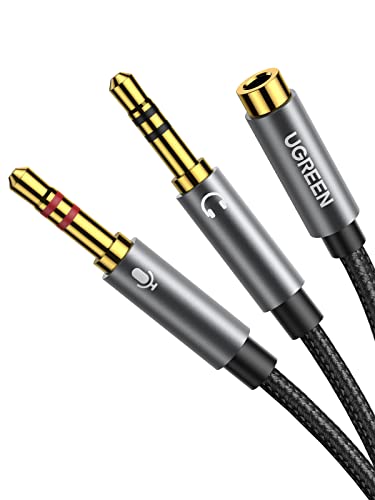
- Connects TRRS headsets to separate PC audio and mic ports
- Supports CTIA-compatible microphone operation
- Compact, braided 20 cm cable
Best For: Podcast calls and recording on compatible PCs
Simple Audio Sharing
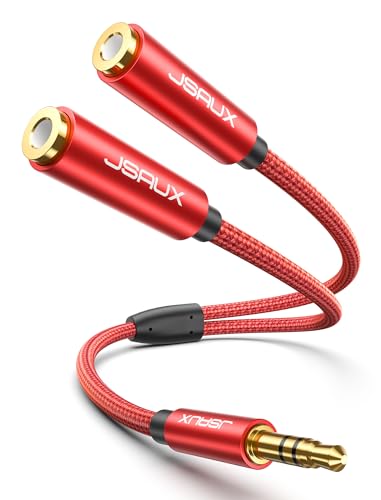
- Splits one 3.5mm source into two outputs
- Gold-plated connector supports stereo audio
- Compact braided cable for travel
Best For: Two-person audio sharing without microphone support
Durable Wide-Compatibility Pick

- Supports many phones, computers, consoles, and audio devices
- Gold-plated connectors and oxygen-free copper wire
- Aluminum casing and TPE cable improve durability
Best For: Shared monitoring across varied 3.5mm devices
Compact Black Monitor Splitter

- Creates two outputs from one 3.5mm source
- Braided cable rated for 15,000+ bends
- Portable design for simple audio monitoring
Best For: Two-person monitoring from compatible 3.5mm devices
Best for Group Listening

- Connects up to five headphones
- Supports 3.5mm auxiliary devices
- Compact design for mobile use
Best For: Group podcast monitoring and shared listening
Best Simple Two-Person Pick
- Provides two 3.5mm outputs
- Uses braided, bend-resistant cable
- Does not support microphones
Best For: Two-person audio monitoring
Best for Headset and Mic Separation

- Separates headphone and mic plugs
- Designed for CTIA-compatible devices
- Compact braided cable design
Best For: Single-host setups with separate headset and microphone plugs
Best Powered Pick – Fosi Audio PH05
For podcast teams monitoring the same mix, the Fosi Audio PH05 is a powerful alternative to basic headphone splitters for podcasting. It distributes one stereo source to five headphones, with independent amplification and volume controls for each channel.
Best For: Podcast studios, music production, teaching, and groups that need five individually adjustable headphone feeds.
Pros:
- Connects up to five sets of headphones from one stereo source.
- Independent channel controls allow each listener to set a comfortable volume.
- Supports 16–300-ohm headphones and IEMs, with up to 310mW at 32 ohms per channel.
- Includes a master volume control and one-touch mute button.
Cons:
- Requires the included 12V power adapter, so it is less portable than a passive cable.
- More equipment than needed for a simple two-person listening setup.
The PH05 is the most capable choice here for a multi-person podcast monitoring station. Its five outputs, individual level controls, and powered design make it better suited to repeat studio use than a basic Y cable.
Best Simple Y Cable – Syncwire 3.5mm Splitter
The Syncwire Y cable is a compact, passive option for headphone splitters for podcasting when two people need to hear the same stereo source. Its standard 3.5mm male plug connects to compatible audio devices and provides two female outputs.
Best For: Two-person monitoring, travel recording kits, laptops, tablets, phones, and other devices with a standard 3.5mm headphone jack.
Pros:
- Splits one 3.5mm audio connection into two outputs.
- Compact and lightweight for travel or portable recording setups.
- Nylon-braided construction is rated for at least 15,000 90-degree bends.
- Gold-plated connectors and double shielding are designed to support clean stereo transmission.
Cons:
- Passive design does not provide independent volume controls or amplification.
- Limited to two connected output devices.
- Requires the source device to have a standard 3.5mm headphone jack.
Choose the Syncwire when portability and simplicity matter more than studio-level control. It is a practical two-listener solution, but a powered amplifier is preferable for larger podcast groups or demanding headphones.
Best Five-Headphone Passive Splitter – Belkin RockStar
The Belkin RockStar offers five headphone jacks from one hard-wired connection, making it a straightforward choice among headphone splitters for podcasting. It is designed for sharing audio from MP3 players and portable DVD players without adding a powered amplifier.
Best For: Casual group listening where up to five people need access to the same portable audio source.
Pros:
- Provides five headphone or iPod-device jacks.
- Uses a simple hard-wired connection to the source player.
- Works with MP3 and portable DVD players.
- Each connected player or listening device can use its standard controls for mixing or fade-ins.
Cons:
- Does not offer independent amplification or per-headphone volume knobs.
- Its supplied compatibility details focus on portable players rather than modern studio interfaces.
- Passive splitting may be less suitable for high-impedance headphones.
The RockStar is useful when several listeners need a basic shared connection and the source is a compatible portable player. For podcast production, verify the source and headphone setup first, since it lacks the dedicated controls of a powered distribution amp.
Best PC Headset Adapter – UGREEN Computer Splitter
The UGREEN adapter serves a different role from conventional headphone splitters for podcasting: it connects a four-pole TRRS headset to a computer with separate headphone and microphone jacks. That makes it useful for podcast calls, online meetings, and voice applications on compatible PCs and laptops.
Best For: Podcasters using a CTIA-compatible headset with older computers or devices that separate audio output and microphone input.
Pros:
- Converts separate computer headphone and microphone jacks for use with a 4-pole TRRS headset.
- Supports VOIP applications, online classes, meetings, and gaming chat.
- Gold-plated connectors, oxygen-free copper wire, and a nylon-braided jacket are designed for reliable transmission and durability.
- Compact 20 cm cable is easy to carry.
Cons:
- It is not a two-headphone audio-sharing splitter; it adapts one headset to separate PC ports.
- Microphone operation requires a CTIA-compliant TRRS cable.
- Not compatible with CTIA Apple Earbuds and Beats headphones according to the supplied notes.
The UGREEN is the right pick only when your podcast setup involves a TRRS headset and separate computer audio and mic ports. For sending one mix to multiple listeners, choose a true multi-output splitter instead.
Simple Audio Sharing – JSAUX Red Headphone Splitter
For podcasting setups that only need to send the same stereo audio to two listeners, this JSAUX model is a compact option among headphone splitters for podcasting. It converts one 3.5mm jack into two 3.5mm headphone outputs and is designed for audio sharing only.
Best For: Sharing podcast playback or monitoring audio with two headphones when microphones are not required.
Pros:
- Provides two 3.5mm outputs from one source.
- Gold-plated connector and oxygen copper wire core support clean stereo sound.
- Double-braided nylon exterior and a claimed 15,000+ bend lifespan improve durability.
- Compact 0.9-foot design is convenient for travel.
Cons:
- Cannot be used with microphones.
- Its short length may offer limited reach in larger podcasting setups.
- No warranty is listed in the supplied details.
This is a straightforward choice for two-person listening or monitoring from a single 3.5mm source, provided your podcast workflow does not require microphone connectivity.
Durable Wide-Compatibility Pick – UGREEN 3.5mm Y Splitter
UGREEN’s Y cable is a practical option for headphone splitters for podcasting when you want broad device compatibility and a durable build. It connects one 3.5mm source to two headphones, headsets, or speakers for shared audio monitoring.
Best For: Podcasters who need a compact dual-output splitter for laptops, phones, tablets, consoles, or other 3.5mm audio devices.
Pros:
- Works with a wide range of listed devices, including computers, smartphones, tablets, and consoles.
- 24K gold-plated connectors and oxygen-free copper wire are designed for stereo transmission with reduced signal loss and noise.
- Aluminum alloy casing, TPE outer coating, and strain-relief rings support durability.
- Compact 20 cm cable is easy to carry.
Cons:
- Cannot be used with microphones.
- Does not support inline volume control on the headphones.
- Two female ends are intended for audio output rather than microphone input.
With its broad compatibility and reinforced construction, this UGREEN splitter suits shared monitoring from common 3.5mm sources, but it is not a substitute for a microphone-capable podcast interface.
Compact Black Monitor Splitter – JSAUX 3.5mm Audio Splitter
This black JSAUX splitter offers a simple way to share one stereo source with two listeners, making it useful for basic headphone splitters for podcasting. Its 3.5mm connection supports audio output to two headphones or speakers, but not microphones.
Best For: Two-person monitoring from a laptop, PC, smartphone, PlayStation, or other compatible 3.5mm source.
Pros:
- Converts one 3.5mm jack into two 3.5mm outputs.
- Gold-plated connector and oxygen copper wire core support clean stereo audio.
- Double-braided nylon cable is designed to resist tangling and withstand 15,000+ bends.
- Short, lightweight 0.9-foot design is portable.
Cons:
- Microphones are not supported.
- The short cable may not suit setups where listeners sit far from the source.
- It provides audio sharing rather than independent podcast recording inputs.
This is a useful low-complexity monitoring accessory for two listeners, especially when portability and a reinforced cable matter more than microphone functionality.
Best for Group Listening – 5-Way Headphone Splitter
For podcasting setups that need to monitor audio with several pairs of headphones, this five-way splitter provides a simple way to share one 3.5mm source. It connects up to five headphones to compatible phones, tablets, laptops, and other devices with an auxiliary port.
Best For: Group podcast monitoring, shared listening, and multi-person playback from one 3.5mm device.
Pros:
- Offers five 3.5mm output ports for simultaneous headphone connections.
- Works with compatible smartphones, tablets, laptops, and other auxiliary-equipped devices.
- Compact, lightweight design is convenient for travel or mobile recording.
- Nickel-plated terminals and a 24K gold-plated connector are designed to resist corrosion.
Cons:
- It is intended for headphone sharing and does not provide microphone inputs.
- Requires a source device with a standard 3.5mm auxiliary port.
This is the most practical choice when a podcasting group needs several listeners connected to one audio source. Its five outputs are useful for collaborative monitoring, though users with newer devices may need a separate adapter.
Best Simple Two-Person Pick – JSAUX 2-Headphone Splitter
For two-person podcasting and monitoring, the JSAUX splitter turns one 3.5mm headphone jack into two outputs. Its braided cable and gold-plated connectors make it a practical option for sharing stereo audio from compatible phones, tablets, laptops, and other devices.
Best For: Two-person podcast monitoring, co-listening, and straightforward stereo audio sharing.
Pros:
- Splits one 3.5mm connection into two headphone outputs.
- Gold-plated connectors and an oxygen-copper wire core support clean stereo transmission.
- Double-braided nylon construction is rated for more than 15,000 bends.
- Compact and lightweight for travel, recording kits, or everyday carry.
Cons:
- Does not support microphones.
- Only provides two outputs, so it is not suited to larger podcast teams.
- Requires a compatible 3.5mm source connection.
This is a good fit when a host and guest only need to hear the same stereo source. Because it cannot be used with microphones, it should be paired with a separate recording setup rather than treated as a complete podcast audio interface.
Best for Headset and Mic Separation – UGREEN TRRS Y Splitter
For podcasting on a computer or tablet with separate headset and microphone connections, this UGREEN adapter splits a single 3.5mm TRRS port into two 3.5mm TRS ports. It is designed for legacy headsets with distinct audio and microphone plugs rather than for connecting two headphones.
Best For: Connecting a separate headphone plug and microphone plug to a single CTIA-compatible 3.5mm jack.
Pros:
- Separates headphone and microphone connections from one compatible 3.5mm port.
- Works with PCs, laptops, tablets, and listed gaming devices.
- Short 7.87-inch cable is portable and easy to manage.
- Nylon braiding, TPE flexibility, copper wiring, and gold-plated connectors support durability and conductivity.
Cons:
- Only supports CTIA-standard headphones and does not support OMTP or iPhone headsets.
- It is not a two-headphone sharing splitter.
- The headset and microphone should be connected before plugging the adapter into the computer.
This adapter is the most relevant option here for a single-person podcast setup that uses a separate microphone and headphones with one combined device jack. Check the headset standard and plug arrangement carefully before buying.
How We Picked the Best Headphone Splitters for Podcasting
We focused on the practical demands of recording and remote-production setups: connector compatibility, number of listening outputs, stereo support, portability, build quality, and ease of use. The selection includes passive splitters for simple two-person monitoring, multi-jack adapters for small groups, and the Fosi Audio PH05 for sessions that need separate volume control and more power.
We also separated products that look similar but serve different purposes. A standard 3.5mm male-to-two-female cable is appropriate for sharing one headphone output, while a female-to-two-male adapter is designed for connecting two plugs to a device with a single audio input. Check the connector layout carefully before buying.
Quick Comparison
| Type | Best for | Main advantage | Potential limitation |
|---|---|---|---|
| Two-way passive Y-splitter | Host and guest | Small, inexpensive, plug-and-play | Shares the source volume and power |
| Five-way passive splitter | Small recording groups | Adds several listening connections | May reduce volume with demanding headphones |
| Powered headphone amplifier | Studios and larger sessions | More output power and control | Requires desk space and power |
| Mic-and-audio splitter | Headsets with separate plugs | Combines microphone and headphone connections | Not a substitute for a standard headphone-sharing cable |
Key Buying Factors for Headphone Splitters for Podcasting
Connector Compatibility
Most podcast interfaces and phones use 3.5mm connections, but the socket arrangement varies. Confirm whether you need one male plug feeding two female headphone sockets, two male plugs feeding one female socket, or a microphone-and-audio adapter. If your equipment uses 1/4-inch outputs, you may also need a suitable adapter.
Number of Listeners
Two-way splitters are usually the simplest choice for a host and one guest. A five-way model is more convenient for a roundtable, but passive designs divide the available signal among several headphones. For three or more listeners, a powered distribution amplifier is generally the safer choice, particularly with high-impedance studio headphones.
Volume and Monitoring Control
Basic Y-cables normally provide one shared source and no independent volume controls. That is fine when everyone is comfortable at the same level, but separate controls can make a studio session easier to manage. Avoid assuming that a splitter can mix microphones or create separate recording tracks; it only distributes or reroutes connections.
Durability and Handling
Braided jackets, reinforced plugs, and compact strain relief help a splitter survive frequent travel and repeated plugging. Keep cable length practical: extra slack can clutter a desk, while a short lead may pull on the interface or headphone socket.
Who Should Buy Which Headphone Splitters for Podcasting?
- One host and one guest: Choose a compact two-way passive splitter such as a SYNCWIRE, UGREEN, or JSAUX option.
- Portable interviews: Pick a short, reinforced cable that fits easily in a travel kit.
- Roundtable recording: Consider a five-way adapter if the source has enough power and the headphones are easy to drive.
- Regular studio production: Choose a powered multi-channel amplifier such as the Fosi Audio PH05 for stronger distribution and more flexible monitoring.
- Headset microphone connections: Use the UGREEN mic-and-audio splitter only when your device and headset require separate microphone and headphone paths.
