Finding the right powered studio monitors under 500 can make a bigger difference to your mixes than most upgrades. The best picks balance accuracy, output, size, and useful features without wasting money on extras you will not use.
Whether you are building a small home studio, a desktop production setup, or a compact listening space, this roundup focuses on models that deliver reliable near-field sound at a sensible price.
Best 10 Powered Studio Monitors Under 500 Picks for 2026
Best for Clear Near-Field Mixes
JBL 305P MkII 5-Inch Powered Monitor

- Wide sweet spot for accurate near-field listening
- Compact size suits desks and small studios
- Powered design simplifies setup and use
Best For: Producers and home studio users who want a compact, accurate monitor for close-up mixing.
Best for Small Desks
Yamaha HS3 Powered Studio Monitor Pair

- Compact pair for tight studio desks
- Flexible inputs: XLR/TRS, RCA, and mini
- Room control and high-trim tuning help accuracy
Best For: Small-space creators who want a compact, reliable nearfield monitor pair.
Best for Small Desktops
Mackie CR3.5 Creative Reference Monitors

- Compact 3.5-inch speakers for tight desktop setups
- Tone knob adds bass and sparkle on demand
- TRS, RCA, 3.5 mm, and headphone output for flexible use
Best For: Small desks, bedroom studios, and mixed-use PC listening.
Best for Flat Response Tuning
Edifier MR4 4" Active Studio Monitors
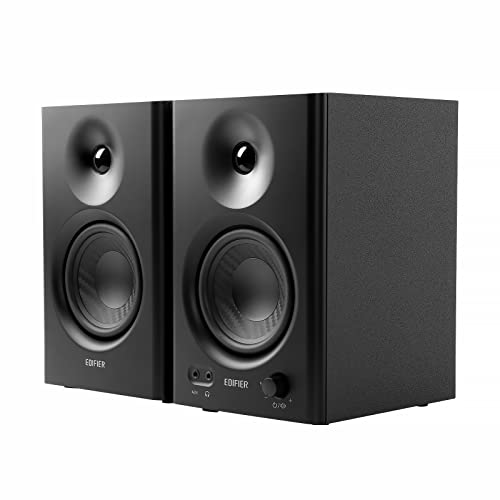
- Near-flat tuning supports more accurate mixing decisions.
- Flexible inputs work well with computers, mixers, and tablets.
- Compact 4-inch design fits desks and smaller studios.
Best For: Home studios and beginner creators who want accurate, affordable desktop monitors.
Best for Bluetooth All-in-One
Mackie CR8BT 8" Powered Studio Monitors

- Bluetooth, TRS, RCA, and 3.5 mm inputs
- Tone knob adds bass and top-end sparkle
- Desktop and bookshelf modes for room placement
Best For: Listeners who want one powered monitor pair for studio work, gaming, and casual use.
Best for Connectivity
Edifier MR3 Powered Studio Monitors

- Bluetooth 5.4 for easy wireless playback
- RCA, AUX, and balanced TRS inputs
- Headphone output for quick private listening
Best For: Listeners and creators who want versatile desktop monitors with modern connectivity.
Best for Comfort
PreSonus Eris 3.5 White Powered Monitors

- Compact 3.5-inch design fits tight desk spaces
- Easy powered stereo setup for desktop use
- Good for nearfield editing, mixing, and listening
Best For: Home studios and desk-based creators who need compact monitors with easy setup.
Best for Desktop Near-Field Mixing
PreSonus Eris 3.5 Powered Monitors

- Compact pair with accurate near-field tuning
- 50W Class AB power for desktop listening
- TRS, RCA, and front aux inputs for easy setup
Best For: Home studios and desktop users who want a compact, flexible monitor pair.
Best for Bluetooth
PreSonus Eris 5BT Bluetooth Studio Monitors

- Bluetooth 5.0 adds easy wireless listening
- 100W power with compact near-field design
- TRS, RCA, and aux inputs for flexible setups
Best For: Desktop studios and home users who want monitor accuracy with wireless convenience.
Best for Bluetooth Desktop Setups
PreSonus Eris 3.5BT Powered Monitors

- Bluetooth 5.0 for easy wireless playback
- Balanced near-field sound for desk use
- Multiple inputs with room-tuning controls
Best For: Desktop producers and casual listeners who want compact monitors with wireless convenience.
Best for Clear Near-Field Mixes – JBL 305P MkII 5-Inch Powered Monitor
If you want powered studio monitors under 500 that deliver a wide sweet spot and reliable detail for desktop production, the JBL 305P MkII is an easy model to consider. Its compact 5-inch design fits smaller rooms well while still giving you enough low-end reach for editing, mixing, and casual hi-fi listening.
Best For: Producers, home recordists, and desktop listeners who want an accurate near-field monitor with a balanced, easy-to-place footprint.
Pros:
- Clear, detailed sound that works well for near-field mixing
- Compact cabinet size for desks, bedrooms, and small studios
- Powered design keeps setup simple with no external amp needed
- Strong value for buyers comparing powered studio monitors under 500
Cons:
- 5-inch woofer limits deep bass output compared with larger monitors
- Sold individually, so you must buy a pair for stereo use
- May be better suited to small and medium rooms than larger control spaces
Overall, the JBL 305P MkII stands out as a practical pick for anyone prioritizing clarity, placement flexibility, and straightforward performance in powered studio monitors under 500. It is especially appealing if you want a monitor that is easy to live with but still serious enough for everyday production work.
Best for Small Desks – Yamaha HS3 Powered Studio Monitor Pair
If you need accurate nearfield sound without filling your desk, the Yamaha HS3 is a smart option among powered studio monitors under 500. This compact pair keeps the footprint small while still giving you the familiar Yamaha HS-series monitoring style for music production, editing, and content work.
Best For: Creators working in tight spaces who want a compact, dependable monitor pair for low-to-moderate volume mixing and editing.
Pros:
- Compact 3.5-inch two-way design fits easily on small desks
- XLR/TRS combo, RCA, and stereo mini inputs add flexible connectivity
- Room control and high-trim controls help fine-tune sound in your space
- Includes cables and anti-slip pads for easier setup
Cons:
- Small drivers limit low-end extension compared with larger monitors
- Not the best choice if you need high playback volume
The HS3 is a practical pick if space matters more than raw output. For buyers comparing powered studio monitors under 500, it stands out as a compact, trustworthy choice for nearfield monitoring and everyday creative work.
Best for Small Desktops – Mackie CR3.5 Creative Reference Monitors
If you want powered studio monitors under 500 that can do more than one job, the Mackie CR3.5 is a flexible pick for desktop production, casual listening, and gaming. Its tone knob lets you start with a cleaner monitor-style sound and add extra bass and sparkle when you want a more fun presentation.
Best For: Bedroom studios, PC setups, and small spaces where you want compact powered monitors with easy sound-shaping controls.
Pros:
- Compact 3.5-inch design fits easily on crowded desks and near-field setups
- Tone knob adds bass and treble boost without needing software EQ
- Multiple inputs plus headphone out make it versatile for PCs, interfaces, and consoles
Cons:
- 3.5-inch woofers won’t deliver deep low-end like larger monitors
- Best suited to nearfield listening rather than bigger rooms
The CR3.5 stands out among powered studio monitors under 500 if you value convenience, compact size, and a sound that can shift from reference to fun with a simple knob turn.
Best for Flat Response Tuning – Edifier MR4 4" Active Studio Monitors
If you want powered studio monitors under 500 that lean toward accurate, mix-friendly sound instead of hype, the Edifier MR4 is an easy model to consider. Its near-flat tuning, 4-inch woofer, and multiple inputs make it a practical desktop choice for entry-level production, editing, and casual listening.
Best For: Home studios, beginner producers, and creators who want a simple, affordable monitor pair with a more neutral sound.
Pros:
- Near-flat tuning is better suited to mixing and critical listening than bass-heavy speakers.
- 1-inch silk dome tweeter and 4-inch woofer deliver clean highs and clear mids for the price.
- TRS, RCA, AUX, and front headphone output make it easy to connect to a range of gear.
- Monitor/music modes plus basic EQ controls add flexibility for daily use.
Cons:
- 4-inch drivers won’t move as much low end as larger studio monitors.
- Best suited to small rooms or desktop setups rather than louder, larger spaces.
For buyers comparing powered studio monitors under 500, the MR4 stands out as a value-oriented pick that prioritizes a controlled, honest sound over flashy features. It’s a strong fit if you need compact monitors that can handle both creative work and everyday playback without much fuss.
Best for Bluetooth All-in-One – Mackie CR8BT 8" Powered Studio Monitors
If you want powered studio monitors under 500 that can pull double duty for music production, desktop listening, gaming, and casual party use, the Mackie CR8BT is an easy one to shortlist. The 8-inch woofer gives you a fuller low end than many compact monitors, while the tone knob and mode switch make it simple to tailor the sound to your room and how far you sit from the speakers.
Best For: Buyers who want studio-style monitors with Bluetooth convenience and flexible tuning for both work and play.
Pros:
- Bluetooth plus TRS, RCA, 3.5 mm, and headphone output for wide compatibility
- Tone knob adds bass and treble sparkle when you want a less flat, more fun sound
- Desktop and bookshelf modes help optimize placement in different setups
- 8-inch woofer delivers strong low end for music, gaming, and everyday listening
Cons:
- Tuning features make them less purely neutral than reference-first studio monitors
- Large 8-inch cabinets may be bulky for very tight desks
- Deepest bass still benefits from the optional CR8SBT subwoofer
For shoppers comparing powered studio monitors under 500, the CR8BT stands out by blending real monitor connectivity with consumer-friendly features that make it more versatile than a typical entry-level pair.
Best for Connectivity – Edifier MR3 Powered Studio Monitors
The Edifier MR3 is a strong pick if you want powered studio monitors under 500 that balance flexible inputs, modern wireless support, and a compact desktop-friendly footprint. It’s built to work as an everyday listening and nearfield monitoring setup without adding extra gear.
Best For: Home studios, desktop setups, and buyers who want multiple input options in a clean 2.0 speaker pair.
Pros:
- Bluetooth 5.4 plus RCA, AUX, and balanced TRS inputs
- Hi-Res Audio certification for more detailed playback
- Headphone output adds convenience for late-night listening
Cons:
- Not the best choice if you need very high SPL for larger rooms
- More feature-focused than a purist studio monitor option
For buyers comparing powered studio monitors under 500, the MR3 stands out for versatility first: it gives you plenty of ways to connect, a compact active design, and enough flexibility to serve both music listening and basic monitoring duties.
Best for Comfort – PreSonus Eris 3.5 White Powered Monitors
If you want compact powered studio monitors under 500 for desktop production, the PreSonus Eris 3.5 pair is an easy fit. Their small footprint makes them simple to place near a computer or audio interface, while still giving you a practical nearfield setup for editing, mixing, and casual listening.
Best For: Home studios, dorm rooms, and creators who need compact desktop monitors with straightforward setup.
Pros:
- Compact 3.5-inch design fits tight desk spaces
- Powered stereo pair is simple to connect for music production
- Useful for nearfield monitoring, editing, and everyday listening
- Clean white finish looks good on modern desktop setups
Cons:
- Smaller drivers limit bass extension compared with larger monitors
- Not ideal for larger rooms or louder playback needs
For buyers prioritizing space-saving design over full-range output, these are a smart pick among powered studio monitors under 500. They’re especially appealing if you need a compact monitor pair that handles basic production tasks without taking over your desk.
Best for Desktop Near-Field Mixing – PreSonus Eris 3.5 Powered Monitors
If you want powered studio monitors under 500 that are easy to place on a desk but still give you a credible reference sound, the PreSonus Eris 3.5 is a strong pick. They’re compact, straightforward to connect, and tuned to deliver a clean, balanced presentation for music production, casual listening, and multimedia work.
Best For: Home studios, desktop producers, and buyers who need a compact monitor pair with flexible inputs and enough low-end presence for everyday near-field use.
Pros:
- Accurate near-field sound with a clear top end and surprisingly solid bass for the size
- 50W Class AB amplification gives plenty of volume for desktop setups
- Balanced TRS, RCA, and front aux inputs make them easy to hook up to pro and consumer gear
- Front headphone output adds convenient quick-switch monitoring
Cons:
- Smaller drivers won’t deliver the deep low-end of larger studio monitors
- Best suited to desks and small rooms rather than larger listening spaces
For compact setups, the Eris 3.5 hits a practical sweet spot: it’s affordable, flexible, and honest enough to work well among powered studio monitors under 500 when you need reliable near-field monitoring without clutter.
Best for Bluetooth – PreSonus Eris 5BT Bluetooth Studio Monitors
For buyers comparing powered studio monitors under 500, the PreSonus Eris 5BT stands out as a practical all-around pair with accurate tuning, flexible inputs, and convenient Bluetooth 5.0. They’re compact enough for a desk but still deliver enough output for music production, casual listening, and content creation.
Best For: Desktop setups, home studios, and users who want monitor accuracy plus wireless playback.
Pros:
- Accurate near-field sound with a clean, studio-focused presentation
- Bluetooth 5.0 plus TRS, RCA, and front aux input for easy connectivity
- 100W of amplification gives them solid volume and room-filling output
- Front-panel tuning controls help tailor bass and treble to your space
Cons:
- Not the deepest bass option if you want true low-end extension without a sub
- Bluetooth is convenient, but wired connections are still better for critical monitoring
Overall, the Eris 5BT is a smart pick if you want powered studio monitors under 500 that balance accuracy, flexibility, and everyday convenience. It’s especially appealing for smaller rooms where you need reliable monitor sound without giving up wireless playback.
Best for Bluetooth Desktop Setups – PreSonus Eris 3.5BT Powered Monitors
If you want one of the most flexible powered studio monitors under 500 for a desk or small studio, the PreSonus Eris 3.5BT is an easy fit. It combines honest near-field sound, Bluetooth 5.0, and multiple wired inputs in a compact pair that works well for production, casual listening, and everyday computer audio.
Best For: Desktop producers, creators, and listeners who want compact monitors with wireless convenience and real monitoring controls.
Pros:
- Accurate near-field sound with a clear, balanced presentation
- Bluetooth 5.0 plus TRS, RCA, and front aux input options
- Room-tuning controls help tailor the sound to your space
- Compact size makes them easy to place on desks and shelves
Cons:
- 3.5-inch drivers limit deep bass compared with larger monitors
- Best suited to small rooms and close listening distances
For shoppers comparing powered studio monitors under 500, the Eris 3.5BT stands out for convenience and versatility more than raw output. It is a strong pick if you need a practical desktop monitor pair that can handle music work, streaming, and everyday listening without taking up much space.
How We Picked the Best Powered Studio Monitors Under 500
For Powered Studio Monitors Under 500, we prioritized tonal balance, clarity at low to moderate listening levels, connection options, and how well each model fits real-world desk and room setups. We also looked for practical features like acoustic tuning controls, Bluetooth on select models, and sizes that make sense for small studios.
Quick Comparison
Smaller 3.5-inch and 4-inch models are best for tight desks, secondary listening, and very small rooms. 5-inch class monitors usually give you a fuller low end and are often the sweet spot for music production. Larger 8-inch options can play louder and extend deeper, but they need more space and better room treatment to perform well.
Key Buying Factors for Powered Studio Monitors Under 500
Driver Size and Room Size
Choose driver size based on your workspace. In compact rooms, smaller monitors can be easier to place and may sound more controlled. In larger spaces, a 5-inch or 8-inch model can provide more bass reach and headroom.
Accuracy Vs. Extra Features
If your main goal is mixing, favor a flatter, more revealing sound over flashy features. Bluetooth, tone controls, and desktop-friendly presets can be useful, but they should not come at the expense of balance and detail.
Inputs and Setup Flexibility
Check for the connections you actually need, such as balanced TRS or XLR inputs, plus RCA or auxiliary options for casual playback. Flexible inputs matter if you plan to connect an audio interface, computer, and media devices.
Placement and Listening Distance
These speakers are meant for near-field use, so placement matters. Keep them at ear height, form a triangle with your listening position, and leave some space from walls whenever possible to reduce bass buildup.
Who Should Buy Which Powered Studio Monitors Under 500?
If you want the most balanced all-around option, a 5-inch studio monitor is often the safest choice. If your desk space is limited, smaller models from JBL, Yamaha, PreSonus, Mackie, or Edifier can be more practical. If you want more low-end presence for beat making or multimedia use, larger 8-inch designs are worth considering, provided your room can support them. For users who want a simple desktop speaker with better-than-average clarity and an easy setup, Bluetooth-equipped models may offer the best convenience.
In short, the best Powered Studio Monitors Under 500 are the ones that match your room, your workflow, and your listening distance. Focus on fit first, then choose the feature set that supports how you actually make and hear music.
