Ribbon mics can sound stunning, but they often need extra clean gain to perform their best. The right microphone preamp for ribbon mic use can bring up level without adding hiss or harshness.
Below, we focus on compact inline boosters and ultra-clean preamps that help low-output ribbon mics work better with a wider range of interfaces and mixers.
Best 10 Microphone Preamp for Ribbon Mic Picks for 2026
Ultra-Clean Gain Booster
Cloudlifter CL-1 Mic Activator

- Up to +25dB clean gain for passive mics
- Uses phantom power without passing it to the mic
- Works with passive ribbons, dynamics, and more
Best For: Home studios and live setups needing clean gain for passive ribbons
Low-Noise Inline Lift
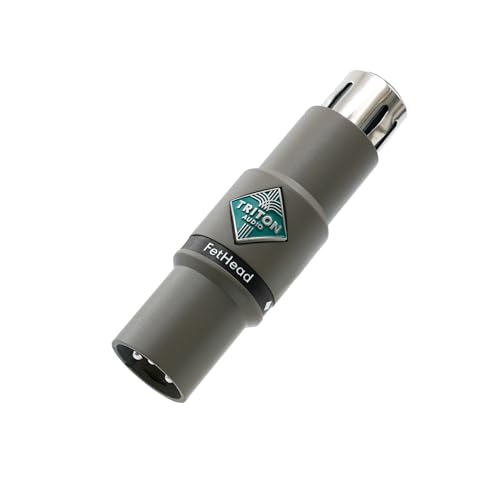
- Low-noise Class-A JFET amplifier
- Shielded enclosure in a compact inline format
- Lightweight option for ribbon and dynamic mics
Best For: Compact gain boosting for ribbon and dynamic microphones
High-Gain Transparent Boost

- +28dB clean gain for passive ribbons and dynamics
- Transformerless FET circuitry for transparent sound
- Metal housing with gold-plated XLR connectors
Best For: Podcasters and live users needing a strong clean boost
Budget Brass Boost
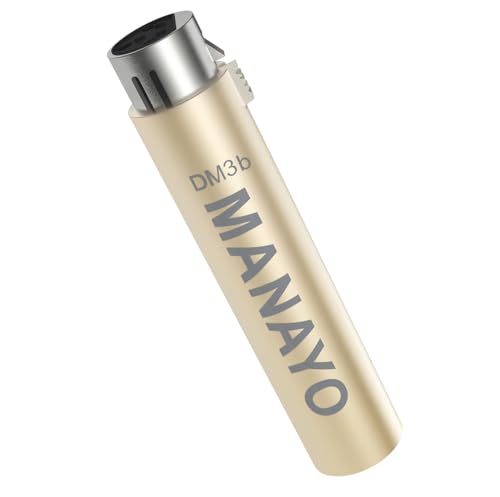
- 28dB gain for dynamic and passive ribbon mics
- XLR inline design for simple setup
- Brass enclosure with interface and mixer compatibility
Best For: Budget streaming and recording with low-output mics
Inline Gain Booster
28dB XLR Phantom-Compatible Preamp

- 28dB Class A gain for low-output mics
- Works with 48V phantom-powered XLR chains
- Metal shielding and gold-plated pins
Best For: Simple ribbon and dynamic mic setups needing clean inline gain
Ribbon Mic Booster Pick

- 28dB gain for dynamic and passive ribbon mics
- Requires 48V phantom power in the chain
- Low output noise and compact inline design
Best For: Users who want a simple gain boost for dynamic or passive ribbon mics
Low-Noise Studio Preamp Choice

- Up to 66dB gain with updated low-noise design
- Supports dynamic, condenser, ribbon, and instrument sources
- XLR/TRS/TS I/O with Type-C power input
Best For: Users who want a versatile preamp for multiple recording sources, including ribbon mics
Best with Extra Features
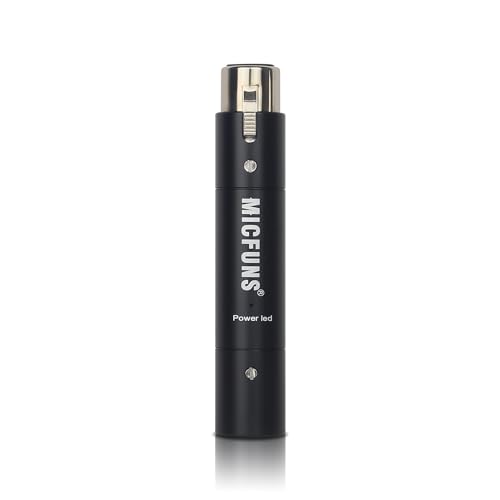
- 28 dB gain for passive mics
- Dedicated buffer for long cable runs
- Rugged metal housing
Best For: Ribbon and dynamic mic users who need an inline gain boost
Clean Gain Pick
Coda MB-Stealth In-Line Preamp
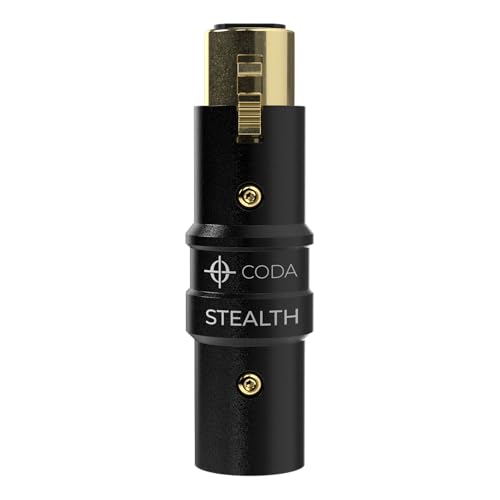
- 28 dB ultra-clean gain
- -70 dB noise rating
- Compact matte black design
Best For: Podcasting and livestreaming with ribbon or dynamic mics
Value Boost Option

- 28 dB gain for ribbon mics
- Slim aluminum body
- Buffer amp reduces RF noise
Best For: Budget-minded users needing compact inline gain for ribbon mics
Ultra-Clean Gain Booster – Cloudlifter CL-1 Mic Activator
If you need a microphone preamp for ribbon mic applications, the Cloud Microphones Cloudlifter CL-1 is built to add clean gain without passing phantom power to the mic itself. It’s a practical inline activator for quiet ribbon, dynamic, and other passive mics when you want more level and less noise.
Best For: Home studios, podcasts, live sound, and recording setups using passive ribbons or other quiet mics.
Pros:
- Provides up to +25dB of gain for low-output microphones
- Uses phantom power while not transferring it to passive ribbons
- Designed to maintain the natural sound of the microphone
- Compatible with tube, battery, or power-supply-driven microphones
Cons:
- Requires a preamp or interface that supplies phantom power
- Single-channel design only
The CL-1 is a straightforward choice when your ribbon mic needs more usable level without adding much complexity. It focuses on clean gain and broad compatibility, which makes it a reliable utility piece for many recording chains.
Low-Noise Inline Lift – Triton Audio FetHead
The Triton Audio FetHead is an in-line microphone preamp for ribbon mic and dynamic mic setups where you want extra gain in a compact form. Its low-noise Class-A JFET amplifier and shielded enclosure are aimed at keeping the signal clean in practical studio use.
Best For: Recordists who want a small inline gain boost for ribbon or dynamic microphones.
Pros:
- Low-noise Class-A JFET amplifier design
- Shielded enclosure helps support clean operation
- Very compact and lightweight at 2.72 ounces
- Suitable for a streamlined inline setup
Cons:
- Product details provide limited feature information
- Does not list an explicit gain figure in the supplied notes
If you want a simple inline boost in a small package, the FetHead is positioned as a clean, unobtrusive solution. It’s best understood as a utility preamp for getting more usable signal from low-output mics without adding a bulky box to your chain.
High-Gain Transparent Boost – sE Electronics DM1 Dynamite
For a microphone preamp for ribbon mic setups that need a strong, transparent lift, the sE Electronics DM1 Dynamite delivers up to +28dB of clean gain. It’s aimed at keeping low-output ribbons and dynamics clear and natural while reducing noise and interference in the signal path.
Best For: Podcasting, live sound, and studio recording with passive ribbon or dynamic microphones.
Pros:
- Delivers +28dB of clean, transparent gain
- Designed for passive ribbon and dynamic microphones
- Transformerless, Class-A-style FET circuitry for pristine sound
- All-metal housing and gold-plated XLR connectors
Cons:
- Needs an XLR chain and appropriate phantom-powered input
- Single-channel inline design only
The DM1 is the most fully specified option here for users who want a strong inline boost with a focus on transparency. If your ribbon mic sounds too quiet into your interface or mixer, this is the kind of preamp that aims to solve that without changing the character of the mic.
Budget Brass Boost – MANAYO DM3 Inline Preamp
in-line microphone preamp for Dynamic and Passive Ribbon Microphones (UPGRADE BRASS)
Check Price On AmazonIf you’re shopping for a microphone preamp for ribbon mic use on a tighter budget, the MANAYO DM3 offers a straightforward inline gain boost. The supplied notes describe it as a preamplifier for dynamic and passive ribbon microphones with 28dB of gain to help amplify your voice clearly.
Best For: Budget-minded streaming or recording setups using dynamic or passive ribbon microphones.
Pros:
- Provides 28dB of gain for dynamic and ribbon microphones
- Compact XLR inline form factor
- Brass enclosure gives it a distinct build
- Compatible with audio interfaces and mixers
Cons:
- Supplied notes include fewer technical details than the branded options
- No added feature set beyond basic gain boosting is listed
The DM3 is a simple gain tool rather than a feature-heavy preamp, which may be exactly what some users want. It covers the basics for low-output mics and keeps the focus on getting a clearer signal into your interface or mixer.
Inline Gain Booster – 28dB XLR Phantom-Compatible Preamp
If you’re shopping for a microphone preamp for ribbon mic use, this inline booster is built to add clean gain before your interface. It delivers 28dB of Class A amplification and is designed for XLR setups that need more level without adding a lot of extra noise. It also works with 48V phantom power, making it a straightforward option for simple studio chains.
Best For: Users who want a compact XLR gain booster for low-output microphones and ribbon mic setups that run on phantom power.
Pros:
- 28dB Class A gain helps raise low-sensitivity mic output.
- Compatible with 48V phantom power supplies, mixers, and audio interfaces.
- Alloy-shielded metal case is designed to reduce electromagnetic interference.
- Gold-plated copper pins support stable signal transmission.
Cons:
- Primarily aimed at XLR in-line boosting, not a full-featured standalone preamp.
- Best suited to low-output mics rather than condenser-only workflows.
For a no-fuss microphone preamp for ribbon mic chains, this model focuses on practical gain and signal stability. Its appeal is the simple inline format, especially if your setup already has phantom power available and you just need more usable level.
Ribbon Mic Booster Pick – 28dB Passive Mic Preamplifier
This microphone preamp for ribbon mic recording is designed to add 28dB of gain to dynamic and passive ribbon microphones. The supplied notes make the setup clear: use a 48V phantom-powered audio interface or mixer in the chain, and keep it for dynamic or ribbon mics rather than condensers. If you need a compact inline boost for spoken voice or quiet sources, it is a focused, practical option.
Best For: Dynamic and passive ribbon microphone users who need a simple inline gain boost with phantom-powered interfaces.
Pros:
- 28dB boost is specifically intended for dynamic and ribbon microphones.
- Low output noise is listed at under 6uV with 20Hz-20KHz response.
- Clear connection path for use with 48V phantom power.
- Compact XLR inline form keeps the setup simple.
Cons:
- Not compatible with condenser microphones.
- Requires a 48V phantom power supply on the interface or mixer.
If your main goal is a straightforward microphone preamp for ribbon mic gain staging, this one stays narrowly focused on that job. It is less flexible than larger preamps, but the limited scope may be exactly what you want for an easy inline boost.
Low-Noise Studio Preamp Choice – 66dB Multi-Input Mic Preamp
For buyers who want a more versatile microphone preamp for ribbon mic recording, this upgraded model offers a much broader feature set than a basic inline booster. It provides up to 66dB of gain, ultra-low noise claims, and support for dynamic, condenser, ribbon, and instrument sources. The notes also recommend connecting to an audio interface’s TRS line input for the lowest noise, which is helpful for practical setup planning.
Best For: Recordists who want one low-noise preamp for ribbon, dynamic, condenser, and instrument use.
Pros:
- Up to 66dB gain gives more headroom for low-output sources.
- Updated design is aimed at lower noise, with an EIN claim of -120dB.
- Supports XLR, TRS, and TS connections for broader routing options.
- Type-C power input improves portability and compatibility.
Cons:
- Two input ports cannot be used at the same time.
- Best noise performance depends on using the recommended TRS line input.
This is the most flexible option in the group if you need more than a simple inline gain boost. For ribbon mics, it stands out because it combines higher gain with broader connectivity, though it also asks for a bit more attention to cabling and setup.
Best with Extra Features – M1 In-line Microphone Preamp
If you need a microphone preamp for ribbon mic use, this inline booster adds 28 dB of gain to help a passive mic reach a stronger level before it hits your main preamp or interface. It also includes a dedicated output buffer amplifier, which helps with long cable runs and can reduce RF interference, buzz, and hum.
Best For: Ribbon and dynamic mic users who want a simple inline gain lift for stage or studio setups.
Pros:
- 28 dB gain for passive microphones
- Dedicated output buffer helps drive long cable runs
- Rugged metal housing for noise and interference rejection
- Works for stage or studio recordings
Cons:
- Requires 48V phantom power from a mixer, preamp, or interface
- Not a standalone mic preamp
Overall, this is a straightforward inline option for raising ribbon mic output without adding extra complexity. It is best suited to users who already have phantom power available and want a durable, low-noise gain boost.
Clean Gain Pick – Coda MB-Stealth In-Line Preamp
For anyone shopping for a microphone preamp for ribbon mic applications, the Coda MB-Stealth focuses on clean inline gain rather than extra features. It uses your interface’s 48V phantom power to deliver 28 dB of ultra-clean gain, and its low-noise design is aimed at reducing hiss and hum while keeping the mic’s natural sound intact.
Best For: Podcasting, livestreaming, and recording setups that need clean inline gain for dynamic or ribbon microphones.
Pros:
- 28 dB of clean gain for dynamic and ribbon mics
- -70 dB noise rating helps minimize hiss and hum
- Compact matte black design
- Built for podcast or livestream use
Cons:
- Does not work with condenser microphones
- Requires 48V phantom power
This is a solid pick if your priority is clean, transparent boosting for a ribbon mic without unwanted coloration. The compact form and low-noise approach make it especially practical for broadcast-style setups.
Value Boost Option – DM1 Microphone Preamp Booster
If you want a microphone preamp for ribbon mic setups with a simple, practical design, this DM1 booster delivers 28 dB of gain for passive microphones. It is built with premium aluminum, a slim profile, and a dedicated output buffer amplifier to help reduce RF interference, buzz, and hum in studio, home recording, livestream, broadcast, or podcast use.
Best For: Budget-conscious users who want a compact inline gain booster for ribbon or dynamic microphones.
Pros:
- 28 dB gain for dynamic and passive ribbon microphones
- Dedicated output buffer helps reduce noise and interference
- Premium aluminum slim-profile construction
- Suitable for studio, home recording, livestream, broadcast, or podcast use
Cons:
- Requires 48V phantom power from another device
- Product notes reference an XLR/guitar adapter bundle, which may not be relevant for every buyer
This model is a good fit if you want a no-frills inline booster that emphasizes gain and noise reduction. It keeps the feature set focused, which makes it easy to match with an existing phantom-powered recording chain.
How We Picked the Best Microphone Preamp for Ribbon Mic
We focused on options that are commonly used as a Microphone Preamp for Ribbon Mic setups, prioritizing clean gain, low noise, phantom-powered inline operation, and broad compatibility with passive ribbon and dynamic microphones. We also looked for practical factors like slim housing, reliable connectors, and enough gain to reduce the need for cranking a noisy interface preamp.
Quick Comparison
Most picks here fall into two groups: ultra-clean inline gain boosters for passive ribbons and higher-gain preamp solutions for users who want more flexibility. If you mainly need to lift a quiet ribbon signal, a 20-28 dB inline booster is often the simplest choice. If you need more versatility for multiple mic types, a higher-gain preamp may be the better fit.
Key Buying Factors for Microphone Preamp for Ribbon Mic
Gain Amount
Passive ribbon mics often benefit from 20 dB to 28 dB of clean boost. That extra headroom can keep your main preamp in a quieter operating range.
Noise Performance
Low self-noise and strong equivalent input noise figures matter because ribbon mics are very sensitive to noise introduced upstream. Clean gain is more useful than simply more gain.
Phantom Power Handling
Many inline boosters require 48V phantom power from the mixer or interface to operate, while still protecting the ribbon element. Always confirm the mic and booster are compatible before connecting.
Form Factor and Build
Inline units should fit behind the mic without stressing the cable or stand. Metal housings, secure XLR connections, and compact designs are all helpful in real-world studio and live use.
Mic Compatibility
Some models are optimized specifically for passive ribbon microphones, while others also work with dynamic mics. If you use a ribbon mic on stage and a dynamic mic in the studio, a broader-compatibility model may save money.
Who Should Buy Which Microphone Preamp for Ribbon Mic?
If you own a passive ribbon mic and your interface sounds noisy when the gain is turned up, choose a clean inline booster first. If you want a more general-purpose Microphone Preamp for Ribbon Mic recording across multiple sources, consider a model with higher gain and stronger noise specs. Home recordists usually benefit most from simple inline units, while live users may prefer rugged, compact designs that are quick to install and remove.
For most buyers, the best choice is the one that delivers enough clean level with the least complexity. That usually means matching the booster to your mic output, your interface gain range, and how often you need to move it between setups.
