Choosing the right microphone preamp under 500 can make a bigger difference than upgrading your mic in many setups. The best options add clean gain, better headroom, and the right tools for dynamics, condensers, ribbon mics, or full channel-strip workflows.
In this roundup, we focused on preamps that offer real value for home studios, podcasting, streaming, voice work, and live recording. The goal is simple: help you find a strong, reliable preamp that fits your signal chain and your budget.
Best 10 Microphone Preamp Under 500 Picks for 2026
Channel Strip Workhorse
dbx 286s Mic Preamp & Processor

- Compression, de-essing, enhancer, and gate in one unit
- XLR mic input plus 1/4" TRS line input
- Rack-mountable 1U with LED metering
Best For: Vocal and broadcast setups that need extra processing
Tube Color Pick
Behringer MIC500USB Tube Preamp

- Vacuum tube preamp with modeling technology
- 16 voicings for multiple instruments and vocals
- Built-in USB/audio interface for direct recording
Best For: Home studios and podcasting with flexible tone options
500 Series Module
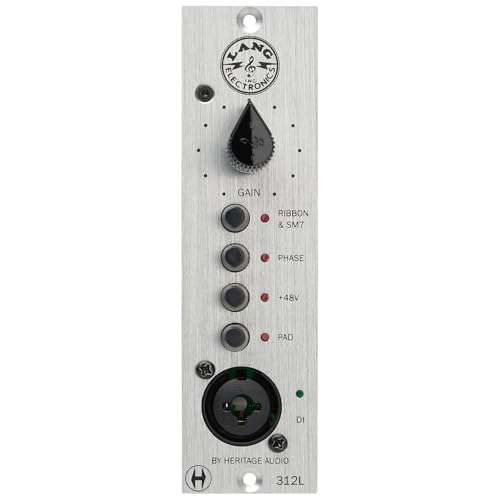
- 500-series mic preamp/DI module
- +25dB lifter with 48V phantom power
- Phase button and -20dB pad included
Best For: Builders of 500-series racks who want a compact utility preamp
Inline Gain Booster

- 28dB gain for low-output dynamic mics
- Compatible with 48V phantom power setups
- All-metal, noise-resistant inline design
Best For: Users who need a compact XLR gain boost
Inline Gain Control
sE DM2 TNT Ultra-Slim Mic Preamp
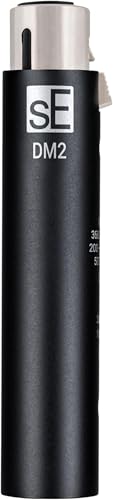
- +15dB or +30dB gain options
- 8 selectable impedance settings
- Ultra-slim metal inline design
Best For: Ribbon and dynamic mic owners who want transparent inline gain.
Clean Gain Booster
StudioMan CL-100 Dynamic Mic Preamp

- +25dB clean gain for weak mics
- Balanced XLR I/O with phantom support
- Compact metal housing with shielding
Best For: Dynamic mic setups that need a simple clean signal boost.
High-Gain Desktop Preamp
Jcanol MIC-1 Two-Input Microphone Preamp

- Up to +75dB clean gain
- Two inputs for dynamic and condenser mics
- Balanced XLR and 6.35mm outputs
Best For: Users who need a higher-gain desktop preamp with multiple connections.
Ultra-Low-Noise Upgrade

- -120dB EIN for very low noise
- 19~66dB gain is practical in use
- 1MΩ instrument input for DI work
Best For: Creators who want quiet gain and flexible mic/instrument use
Balanced Gain Booster

- 22dB/27dB gain options
- 48V power for dynamic and condenser mics
- Low-noise balanced circuit design
Best For: Simple studio, podcast, and streaming mic boosting
Rechargeable Dual-Input Pick

- Rechargeable for portable setups
- Two input options for flexibility
- 20dB gain with 48V support
Best For: Portable creators and simple low-noise mic boosting
Channel Strip Workhorse – dbx 286s Mic Preamp & Processor
If you want a microphone preamp under 500 that does more than just add gain, the dbx 286s is built like a compact channel strip. It combines mic preamplification with compression, de-essing, enhancement, and expander/gate processing, so it can help shape vocals or instruments before they hit your interface or recorder.
Best For: Vocalists, streamers, podcasters, and home studios that want onboard dynamics control and clean front-end processing in one rack unit.
Pros:
- Includes compression, de-esser, enhancer, and expander/gate in one unit.
- Floating balanced XLR mic input plus 1/4" TRS line input for flexible use.
- Loop-out insert lets you add more processors into the chain.
- Rack-mountable 1U design with status LEDs for quick monitoring.
Cons:
- Single-channel design only.
- More of a channel strip than a plain, transparent preamp.
- Rack format may be less convenient for ultra-portable setups.
This is a strong pick if you want one front-end box to handle gain and basic vocal cleanup at the same time. Among microphone preamp under 500 options, it stands out for users who value signal shaping and control over simplicity.
Tube Color Pick – Behringer MIC500USB Tube Preamp
The Behringer MIC500USB is a microphone preamp under 500 aimed at users who want tube-style color plus simple computer connectivity. It supports microphone, instrument, and line-level sources, offers 16 preamp voicings, and includes a built-in USB/audio interface for direct recording.
Best For: Home recording, podcasting, and players who want flexible voicing options with direct USB hookup.
Pros:
- Vacuum tube preamp design with preamp modeling technology.
- 16 voicings for guitars, keyboards, bass, drums, vocals, and more.
- Built-in USB/audio interface for direct computer connection.
- Supports microphone, instrument, and line-level sources.
Cons:
- More focused on voicing and coloration than a straightforward clean preamp.
- USB interface is built in, but the unit is still best suited to simple recording workflows.
- Not as specialized for dedicated live rack processing as some alternatives.
If you want an affordable preamp with extra tonal options and easy USB recording, this model fits the brief. It is a practical choice when you need a versatile front end without moving into higher-priced studio hardware.
500 Series Module – Lang 312L Mic Preamp/DI
For users building a 500-series rack, the Lang 312L is a microphone preamp under 500 in module form with the core controls you expect from a straightforward front-end unit. It adds +25dB lifter gain, 48V phantom power, a phase button, and a -20dB pad, making it a practical fit for modular studio setups.
Best For: Engineers and musicians who already use a 500-series chassis and want a compact preamp/DI module with useful utility controls.
Pros:
- 500 Series microphone preamp/DI module.
- Built-in +25dB lifter and 48V phantom power.
- Includes phase button and -20dB pad for basic control.
- Compact module format for rack-based systems.
Cons:
- Requires a compatible 500-series chassis.
- Single-module design limits it to one channel and one role at a time.
- Best suited to modular workflows rather than standalone use.
This is a sensible pick if your studio is already centered around 500-series gear. It focuses on essential preamp utility rather than extra processing, which can be exactly what you want in a modular signal chain.
Inline Gain Booster – Bolanle NK1 XLR Mic Preamp
The Bolanle NK1 is a microphone preamp under 500 for people who need a simple inline gain boost rather than a full channel strip. With 28dB of gain and compatibility with 48V phantom power, it is aimed at improving low-output dynamic mics in a clean, XLR-based signal chain.
Best For: Dynamic microphone users who want a compact inline booster for stronger, cleaner recording levels.
Pros:
- 28dB gain helps low-sensitivity microphones come through more clearly.
- Compatible with 48V phantom power supplies, mixers, and audio interfaces.
- Class A transistor amplification circuit and balanced output design.
- All-metal, interference-resistant casing for durability and shielding.
Cons:
- Inline gain booster only, not a full-featured preamp processor.
- Works best as part of an existing XLR setup.
- Limited onboard controls compared with channel-strip options.
If your main problem is not enough level from a dynamic mic, this style of preamp is often the simplest answer. The NK1 keeps the focus on clean gain and compatibility, making it a good fit for straightforward recording chains.
Inline Gain Control – sE DM2 TNT Ultra-Slim Mic Preamp
If you need a microphone preamp under 500 for a ribbon or dynamic mic, the sE Electronics DM2 TNT focuses on clean inline gain and useful impedance control. Its +15dB and +30dB settings, plus 8 load options, make it a practical way to bring up low-output mics without adding bulk to your setup.
Best For: Ribbon and dynamic mic users who want transparent inline gain with adjustable impedance.
Pros:
- Choose between +15dB or +30dB of transparent gain.
- 8 impedance settings from 50 ohms to 10 megaohms for better mic matching.
- Transformerless, FET-based design is built for low-noise performance.
- Ultra-slim all-metal housing with gold-plated XLR connectors.
Cons:
- Designed specifically for dynamic and ribbon microphones.
- Inline format may not suit users wanting a full desktop preamp.
This is the most specialized option here, and that focus is its strength: it helps passive mics perform more consistently while staying compact and simple to integrate into studio or stage chains.
Clean Gain Booster – StudioMan CL-100 Dynamic Mic Preamp
The StudioMan CL-100 is a microphone preamp under 500 aimed at dynamic microphones and passive ribbon mics that need a straightforward level boost. With +25dB of clean gain, XLR I/O, and phantom-power compatibility, it’s a practical plug-and-play choice for home studios, streaming, and live sound.
Best For: Dynamic mic and passive ribbon users who want a compact, easy-to-use clean booster.
Pros:
- +25dB clean gain circuit for low-level dynamic and ribbon mics.
- Balanced XLR input and output for simple integration.
- Supports 48V phantom power and low-latency signal transmission.
- Compact metal chassis with EMI/RFI shielding.
Cons:
- Gain is fixed at +25dB, so there are no selectable gain steps.
- Best suited to dynamic and passive ribbon microphones rather than all mic types.
If you want a no-fuss inline-style booster with a bit more output than some entry options, the CL-100 is a sensible pick. It keeps the feature set focused on clean gain, durable construction, and easy XLR connectivity.
High-Gain Desktop Preamp – Jcanol MIC-1 Two-Input Microphone Preamp
For shoppers comparing a microphone preamp under 500, the Jcanol MIC-1 stands out for its desktop-style feature set and high gain ceiling. It offers up to +75dB of clean gain, 48V phantom power, and two inputs, making it a more flexible choice for mixed mic setups than a simple inline booster.
Best For: Creators who want a higher-gain preamp with two inputs and phantom power for mixed mic use.
Pros:
- Up to +75dB of clean, transparent gain.
- Two inputs let you boost a condenser mic and a dynamic mic at the same time.
- 48V phantom power supports condenser microphone use.
- Balanced XLR output plus 6.35mm stereo mic and line output.
Cons:
- More feature-heavy than a simple one-mic inline preamp.
- Best suited to users who need multiple connections and not just a basic signal booster.
Among these picks, the MIC-1 is the most versatile if you need more than just extra gain. It combines strong amplification with multi-input and multi-output connectivity, which makes it a better fit for broader studio or streaming workflows.
Ultra-Low-Noise Upgrade – RO03 Mic Preamp
If you want a microphone preamp under 500 that prioritizes clean gain, the RO03 is built around a very low-noise design and a practical 19~66dB gain range. It’s aimed at users who need solid recording performance for dynamic, condenser, ribbon mics, or instrument DI work without dealing with the noise issues found in the earlier version.
Best For: Budget-conscious creators who want very low noise and flexible mic or instrument input options.
Pros:
- Updated to an EIN of -120dB for ultra-low noise performance
- Real-world gain range of 19~66dB is more practical than the older version
- 1MΩ instrument input improves DI use for musical instruments
- Type-C power input is more portable and compatibility-friendly
Cons:
- The two input ports cannot be used at the same time
- Noise performance depends on connecting it correctly, with TRS line input recommended over XLR input
Overall, this is the most feature-rich option here if your main goal is a microphone preamp under 500 with strong noise performance and flexible connectivity. It’s especially appealing for low-budget recording setups where clean signal matters more than extra controls.
Balanced Gain Booster – High Gain Mic Preamplifier
This microphone preamp under 500 focuses on simple, clean signal boosting with balanced circuitry and 48V support. It offers 22dB gain on 6.5 single-ended input and 27dB gain on XLR balanced input, making it a straightforward pick for dynamic and condenser mic setups in home or pro studios.
Best For: Users who want a compact, low-noise mic booster with 48V support for common studio and streaming setups.
Pros:
- Balanced amplification circuitry delivers clean, transparent gain
- Supports both dynamic and condenser microphones with 48V power
- Black metal case helps reduce EMC interference
- Compact and lightweight for easy transport
Cons:
- Gain is moderate compared with higher-output preamps
- Less feature-rich than models with multiple input/output options
If you want a no-fuss boost stage rather than a feature-heavy box, this model makes sense. It keeps the design focused on low noise, balanced amplification, and broad mic compatibility.
Rechargeable Dual-Input Pick – High Gain Mic Booster
For buyers comparing a microphone preamp under 500, this rechargeable mic booster stands out for portability and its dual-input layout. It delivers 20dB gain, includes 48V power for dynamic and condenser microphones, and uses a fully balanced low-noise circuit aimed at clean recording.
Best For: Mobile creators and home studio users who want a compact rechargeable mic booster with simple, clean gain.
Pros:
- Rechargeable design is handy for portable use
- Two input options add flexibility in setup
- 48V power supports both dynamic and condenser microphones
- Balanced circuit is designed for low noise and transparent sound
Cons:
- 20dB gain is relatively modest for very quiet microphones
- No advanced features beyond basic boosting and 48V support
This is a practical choice if you value portability first and foremost. It keeps the feature set focused, which should appeal to users who need a lightweight booster for recording, podcasting, or streaming.
How We Picked the Best Microphone Preamp Under 500
We looked for preamps that deliver usable gain without excessive hiss, support common microphone types, and offer features that matter in real-world recording. That includes phantom power, low-noise performance, input flexibility, portability, and useful extras like compression, tube coloration, or inline boosting where appropriate.
Because this is a Microphone Preamp Under 500 guide, value matters as much as raw specs. We favored models that solve a specific problem well, whether that is lifting a quiet dynamic mic, adding character, or providing a compact front end for a simple studio setup.
Quick Comparison
If you want the cleanest signal boost for a dynamic or ribbon mic, inline preamps are often the simplest choice. If you need more control, a channel strip style unit can add compression and processing in one box. For home studios that want flexibility, multi-input preamps and models with phantom power are better suited to condenser mics and mixed recording needs. Tube designs are useful when you want a bit of tonal color rather than maximum transparency.
Key Buying Factors for a Microphone Preamp Under 500
Gain and Noise Floor
Make sure the preamp provides enough gain for your microphone and recording source. Low-output dynamics and ribbons often need more clean gain than condenser mics. Pay attention to noise performance, especially if you record quiet voices or distant sources.
Phantom Power and Compatibility
48V phantom power is essential for most condenser microphones. If you use ribbon mics, check that the preamp supports them safely and does not introduce unwanted noise or processing. For plug-and-play setups, USB or inline models may be easier to integrate.
Features Vs. Simplicity
Some buyers want a straightforward signal boost, while others need compression, de-essing, gating, or instrument input options. Extra processing can be helpful, but only if you will actually use it. A simpler preamp may be the better long-term choice if you already rely on software tools.
Form Factor and Workflow
Think about where the preamp sits in your setup. Inline boosters are ideal for a compact desk or field rig. Desktop and rack-style units suit more permanent studios. 500-series gear fits modular systems, while all-in-one channel strips are appealing for fast vocal chains.
Who Should Buy Which Microphone Preamp Under 500?
If you record podcasts, streams, or voiceovers with a dynamic mic, choose a clean high-gain or inline booster model first. If you track condensers and need flexible studio routing, a phantom-powered preamp with strong headroom is the safer choice. If you want coloration or built-in processing, look at tube or channel-strip options. For modular studios, 500-series preamps remain the most expandable path.
In short, the best Microphone Preamp Under 500 is the one that matches your mic type, gain needs, and workflow without adding unnecessary noise or complexity.
