Building a great home theater is only half the job; dialing in the sound is what makes it feel right. The best audio testing tools for home theater help you measure levels, spot wiring issues, and fine-tune your room for clearer, more immersive playback.
From calibrated microphones to SPL meters and cable testers, this roundup focuses on practical tools that solve real setup problems without adding unnecessary complexity.
Best 10 Audio Testing Tools for Home Theater Picks for 2026
Calibrated Mic for Room Tuning
UMIK-1 Calibrated Measurement Microphone

- Unique calibration file for each unit
- USB plug-and-play on major platforms
- Works with REW, Dirac Live, and Smaart
Best For: Room correction and speaker measurements
Portable SPL Monitor

- Backlit LCD for easy reading
- A/C weighting with 30 to 130 dB range
- MAX/MIN and data hold for peak checks
Best For: Quick loudness checks and noise monitoring
Speaker Test System
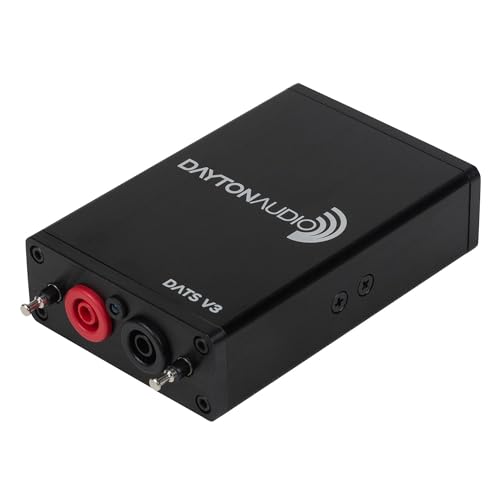
- Measures impedance for drivers and crossovers
- Calculates Thiele/Small parameters automatically
- Windows PC USB system with included software
Best For: Advanced speaker and component testing
Real-Time Noise Meter

- 2-inch IPS screen with light/dark themes
- Fast and slow response with ±1.5 dB accuracy
- Curve mode tracks 30 seconds of sound changes
Best For: Portable real-time SPL checks and home theater tuning
Signal Check Tool
PAC TL-PTG2 Tone Generator & Polarity Tester
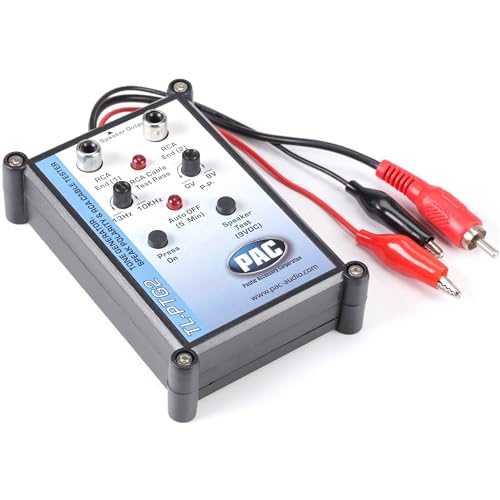
- Variable 13 to 10,000Hz tone for tracing and level checks
- 9V speaker popper helps verify speaker polarity
- Includes RCA cable and alligator clip connections
Best For: Installers who need quick tone tracing, polarity checks, and cable verification
Room Calibration Mic
Superlux ECM999 Measurement Microphone

- Flat 20Hz–20kHz ±2dB response for acoustic testing
- Handles up to 132dB SPL for loud measurements
- Includes case, mic clip, and windscreen
Best For: Calibrating home theater rooms and measuring speakers with XLR/phantom-power gear
Display Analyzer
Nobsound AK2515 Spectrum Analyzer

- 25x15 VFD display shows frequency bands clearly
- Covers 20Hz–20kHz with MIC and AUX inputs
- AGC and multiple display modes aid monitoring
Best For: Visual monitoring of frequency response and sound levels in a home audio system
Portable Cable Check
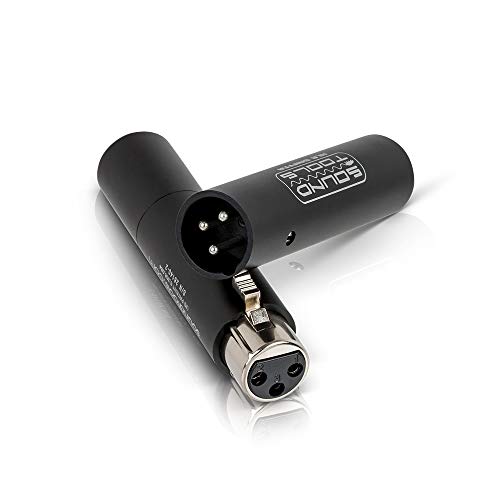
- Pocket-sized XLR and 3-pin DMX tester
- Instant LED feedback for quick checks
- Remote-end testing supports solo troubleshooting
Best For: Solo techs needing fast cable diagnostics
Noise Watch Meter
VLIKE LCD Digital Audio Decibel Meter
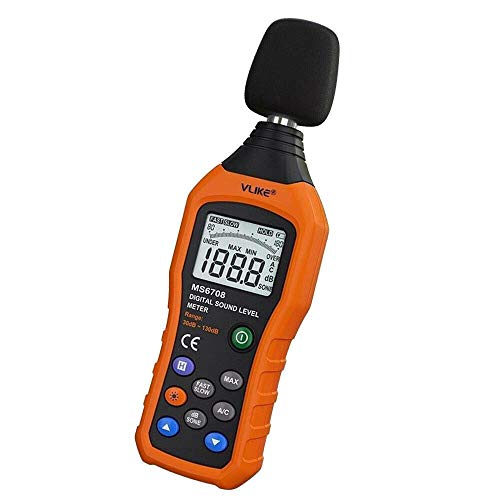
- Measures 30 dB to 130 dB
- A/C mode with backlit display
- Portable handheld design
Best For: Quick room noise and playback level checks
All-in-One Signal Tester
Xvive AT-2 Portable Audio Tester Pro
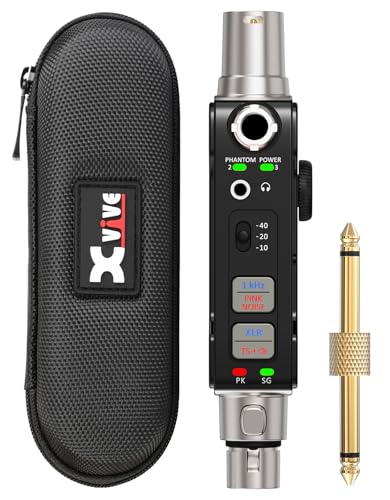
- XLR testing plus input metering
- Pink noise and 1 kHz tone generator
- Checks phantom power and monitors signals
Best For: Multi-function troubleshooting and calibration
Calibrated Mic for Room Tuning – UMIK-1 Calibrated Measurement Microphone
If you want reliable audio testing tools for home theater, the UMIK-1 is built for measurement work rather than casual listening. This calibrated USB microphone comes with a unique calibration file for each unit, making it a strong fit for checking SPL, frequency response, and speaker setup with compatible acoustic software.
Best For: Home theater owners and DIY tuners who need a calibrated USB microphone for room correction and speaker measurements.
Pros:
- Unique calibration file for each microphone for more accurate measurement work
- USB plug-and-play design with driverless setup on Windows, Mac, Linux, and iDevices
- Compatible with acoustic software including Dirac Live, REW, and Smaart
- Includes mini tripod, USB cable, and windscreen in a padded box
Cons:
- Designed for measurement use, not for recording or casual voice capture
- Depends on external software for testing and analysis
For users focused on calibration and tuning, this microphone is one of the most practical ways to measure a home theater system. Its broad software compatibility and included accessories make it easy to get started with precise setup work.
Portable SPL Monitor – TopTes TS-501B Decibel Meter
For straightforward audio testing tools for home theater, the TopTes TS-501B gives you a simple way to track sound levels in decibels. Its backlit LCD, A/C weighting, and max/min functions make it useful when you want a quick SPL reading without setting up software or a PC.
Best For: Home theater owners who want a handheld decibel meter for quick loudness checks and everyday noise monitoring.
Pros:
- 2.25-inch backlit LCD is easy to read in dim rooms
- A/C weighting and 30 to 130 dB range suit home theater and general SPL checks
- MAX/MIN and data hold functions help capture peak readings
- Factory calibrated and includes batteries, carry case, and manual
Cons:
- More basic than software-based measurement systems
- Limited to sound level monitoring rather than deeper speaker analysis
This is a practical pick if your main goal is monitoring loudness, not measuring speaker behavior in detail. It’s especially convenient for quick checks before, during, or after home theater listening sessions.
Speaker Test System – Dayton Audio DATS V3
Among audio testing tools for home theater, the Dayton Audio DATS V3 is aimed at deeper speaker and component analysis. It uses a PC-based USB interface to measure impedance and calculate Thiele/Small parameters, which is valuable when you’re designing, optimizing, or troubleshooting drivers and crossovers.
Best For: DIY speaker builders and advanced home theater users who need impedance and component measurement on a Windows PC.
Pros:
- Measures impedance response for drivers, crossovers, and complete audio systems
- Automatically calculates Thiele/Small parameters such as Fs, Qts, and Re
- Rugged aluminum housing with detachable test leads and built-in calibration resistor
- Also measures resistors, inductors, and capacitors with graph-based results
Cons:
- Windows-only compatibility
- Requires a PC and included software for use
If you want more than a handheld SPL reading, DATS V3 gives you a much deeper look at speaker behavior. It’s a specialized tool, but one that can be very useful for serious system building and troubleshooting.
Real-Time Noise Meter – FNIRSI FDM-02 Decibel Meter
If you’re comparing audio testing tools for home theater and want a compact SPL monitor, the FNIRSI FDM-02 is built for quick real-time checks. Its fast and slow response modes, A/C weighting, and curve display make it useful for watching sound changes while tuning speakers, subwoofer placement, or TV and soundbar levels.
Best For: Home theater tuning and everyday noise checks where a portable real-time decibel meter is more useful than software analysis.
Pros:
- 2-inch IPS display with light and dark themes for easier viewing
- Fast and Slow response modes with ±1.5 dB accuracy
- Curve mode shows 30 seconds of sound changes for tracking levels over time
- Rechargeable battery and carrying case support portable use
Cons:
- Does not provide the deep measurement analysis of microphone-and-PC systems
- More focused on level monitoring than detailed acoustic calibration
The FDM-02 is a good middle ground when you want a readable, portable meter for watching sound behavior in real time. It’s especially handy for casual calibration tasks and ongoing noise checks around the home.
Signal Check Tool – PAC TL-PTG2 Tone Generator & Polarity Tester
When comparing audio testing tools for home theater, the PAC TL-PTG2 is a practical pick for tracing signals, checking speaker polarity, and verifying connections during setup or troubleshooting. Its variable tone output and included RCA and alligator clip connections make it useful for quick system checks without a lot of extra gear.
Best For: Home theater or stereo installers who need a compact tool for tone tracing, polarity checks, and basic cable verification.
Pros:
- Variable 13 to 10,000Hz tone helps with system levels and crossover-point checks
- 9V speaker popper provides a visual way to test speaker connection polarity
- Includes RCA cable and alligator clip connections for flexible use
- Designed for safely troubleshooting audio systems
Cons:
- Focused on basic testing rather than full room calibration
- Built more for installation and troubleshooting than analysis displays
This is a straightforward utility for anyone who wants to verify wiring and signal flow before deeper tuning. It fits best as a hands-on diagnostic tool alongside other audio measurement gear.
Room Calibration Mic – Superlux ECM999 Measurement Microphone
Among audio testing tools for home theater, the Superlux ECM999 is aimed at room calibration and acoustic measurement. Its omnidirectional design, flat 20Hz–20kHz response, and 132dB SPL handling make it a strong choice when you want more accurate speaker and room readings from a measurement microphone.
Best For: Home theater users and engineers calibrating rooms, measuring SPL, or testing speakers with a phantom-powered XLR setup.
Pros:
- Flat 20Hz–20kHz ±2dB response supports room and speaker analysis
- Handles up to 132dB SPL for louder measurement situations
- Works with 12V–52V phantom power and XLR-based systems
- Includes carrying case, mic clip, and windscreen for portability
Cons:
- XLR cable is required but not included
- Designed for measurement work, not casual listening use
If you need a measurement mic for room correction or speaker testing, this model offers the right feature set without unnecessary extras. It is best paired with calibration software, an interface, or an AV receiver that supports phantom power.
Display Analyzer – Nobsound AK2515 Spectrum Analyzer
If you want audio testing tools for home theater that make sound levels easier to visualize, the Nobsound AK2515 adds a high-resolution spectrum display to your setup. With 20Hz–20kHz coverage, MIC and 3.5mm AUX inputs, and adjustable display behavior, it works well as a sound level meter and analyzer for audio enthusiasts.
Best For: Users who want a visual spectrum analyzer for monitoring frequency response and sound levels in a home audio system.
Pros:
- 25×15 VFD display shows frequency bands clearly
- Covers a 20Hz–20kHz sweep for broad audio analysis
- Supports both MIC and 3.5mm AUX inputs
- Offers AGC plus multiple display and brightness settings
Cons:
- More visual analyzer than a dedicated calibration microphone
- Advanced settings may be more than some users need
This model is a good fit if you prefer a visible readout while tuning or monitoring a system. It brings display flexibility and frequency-band feedback, making it useful for enthusiasts who like to see what the audio is doing.
Portable Cable Check – SoundTools XLR Sniffer/Sender
If you need audio testing tools for home theater-style setup work, this compact XLR and DMX tester is a fast way to confirm cable integrity before chasing signal problems elsewhere. It is built for quick diagnostics with instant LED feedback, so you can verify connections and move on without extra steps.
Best For: Solo techs who want a pocket-sized way to test XLR and 3-pin DMX cables quickly.
Pros:
- Portable, pocket-friendly design for on-the-go testing.
- Instant LED feedback helps speed up cable diagnostics.
- Remote-end testing lets one person troubleshoot alone.
- Rugged aluminum housing is made for stage and studio use.
Cons:
- Focused on XLR and 3-pin DMX cable testing only.
- Requires an A23 battery.
For checking cable health before installation or troubleshooting, this is a straightforward field tool that emphasizes speed and durability. It is a practical choice when you want to rule out cable issues first.
Noise Watch Meter – VLIKE LCD Digital Audio Decibel Meter
This decibel meter is useful when audio testing tools for home theater work need a simple way to measure room loudness and general sound levels. It covers 30 dB to 130 dB, includes A/C mode, and adds a backlight for checking levels in darker spaces.
Best For: Users who want a handheld sound level meter for monitoring room noise or playback levels.
Pros:
- Measures sound levels from 30 dB to 130 dB.
- A/C mode adds flexibility for different measurement needs.
- Backlight helps with nighttime or low-light checks.
- Compact handheld design with anti-drop casing.
Cons:
- Batteries are not included.
- It cannot store data or generate reports directly.
For basic noise monitoring, this meter keeps the workflow simple and portable. It is best suited to quick checks rather than advanced logging or analysis.
All-in-One Signal Tester – Xvive AT-2 Portable Audio Tester Pro
For audio testing tools for home theater system setup, this portable tester goes beyond a simple cable check by adding signal generation, metering, and phantom power verification. It is designed to help you troubleshoot signal paths, validate connections, and test equipment in one compact unit.
Best For: Users who want a multi-function tester for cable checks, signal generation, and input verification.
Pros:
- Built-in XLR connectors support fast cable testing.
- Includes pink noise and 1 kHz tone signal generation.
- Real-time monitoring works through input and headphone connections.
- Phantom power testing helps verify powered audio gear.
Cons:
- Primarily aimed at XLR and related audio signal checks.
- Battery life is listed at about 4 hours of rechargeable use.
This is the most versatile option in the group if you need more than continuity testing. Its mix of tone generation, monitoring, and phantom power checks makes it a strong troubleshooting companion.
How We Picked the Best Audio Testing Tools for Home Theater
We focused on tools that are actually useful during setup, calibration, and troubleshooting. That means accurate measurement, reliable build quality, clear displays or software support, and features that match common home theater tasks such as speaker calibration, noise checks, and cable verification.
We also favored products that are easy to use for non-engineers, because many buyers need Audio Testing Tools for Home Theater that work well in a living room, media room, or dedicated cinema without a steep learning curve.
Quick Comparison: What Each Type Does Best
Not every tool serves the same purpose. Measurement microphones are best for room calibration and speaker response work. SPL meters are ideal for checking listening levels and background noise. Tone generators, polarity testers, and cable testers help diagnose wiring and signal-path problems. Analyzer-style tools are more specialized and better suited to users who want deeper system diagnostics.
Key Buying Factors for Audio Testing Tools for Home Theater
Accuracy and Calibration
If you are tuning speakers or a subwoofer, look for a calibrated mic or a meter with known accuracy. For serious setup work, calibration matters more than extra features.
Measurement Range and Weighting
For level checks, make sure the meter covers typical home listening ranges and supports A and C weighting. A-weighting is useful for perceived loudness, while C-weighting can be better for bass-heavy systems.
Software or Standalone Use
Some Audio Testing Tools for Home Theater work with a computer, while others operate on their own. Choose standalone tools for quick checks and computer-based tools when you want deeper analysis and room correction.
Connectivity and Test Scope
Confirm whether you need XLR, RCA, USB, or speaker-wire testing. If you work across multiple components, a broader tester can save time by covering polarity, signal tracing, and cable verification in one device.
Who Should Buy Which Audio Testing Tools for Home Theater?
Choose a calibrated measurement microphone if your main goal is room tuning and speaker calibration. Pick an SPL meter if you want simple loudness and noise monitoring. Go with a tone generator or cable tester if you are troubleshooting connections, phase, or signal loss. If you want a more advanced bench-style diagnostic tool, a computer-based measurement system or spectrum analyzer may be the best fit.
For most home theater owners, the smartest approach is to buy one primary measurement tool and one troubleshooting tool. That combination covers calibration, verification, and day-to-day diagnostics without overcomplicating the setup.
