The best inverter generators for camping balance quiet operation, manageable weight, fuel efficiency, and enough clean power for your essential devices. The right choice depends on whether you need occasional charging, RV-ready output, or backup power at the campsite.
We’ve assembled 10 options across several power ranges and designs, including compact gas generators, dual-fuel models, and a battery-powered alternative. Use the guide below to compare capacity, portability, outlets, and features before buying.
Best 10 Inverter Generators for Camping Picks for 2026
Lightweight Quiet Pick
WEN 2350-Watt Portable Inverter Generator
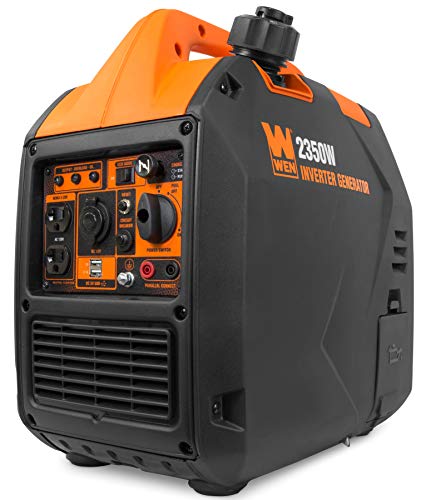
- 39-pound body for easier transport
- Quiet, conversation-level operation
- 1,900 running watts of clean power
Best For: Lightweight camping and sensitive electronics
High-Output RV Value
Oxseryn 4400-Watt Inverter Generator

- 3,400 running watts for larger loads
- Built-in 30A RV outlet
- Up to 14 hours at 25% load
Best For: RV camping and higher-power campsite needs
Fuel-Free Camping Choice
Jackery Explorer 1000 v2 Portable Power Station

- 23.8-pound battery-powered design
- 1,500W output and 1,070Wh capacity
- Quiet operation with optional solar charging
Best For: Quiet camping and portable device power
Dual-Fuel RV Pick
WEN 3600-Watt Dual-Fuel Inverter Generator

- Runs on gasoline or propane
- RV-ready TT-30R receptacle
- CO Watchdog automatic shutdown sensor
Best For: Flexible RV camping power and backup fuel options
Ultra-Light Quiet Pick
AIVOLT 1750W Inverter Generator
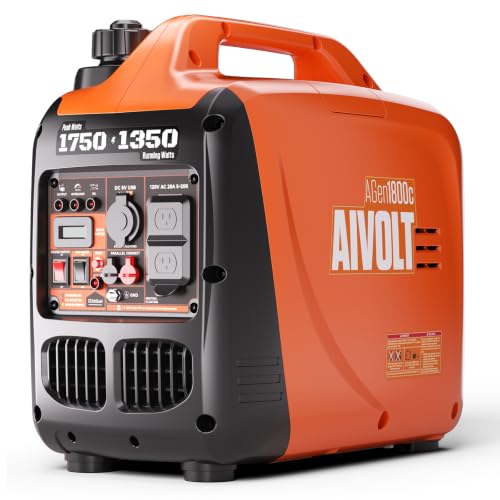
- 1,350 running watts with less than 3% THD
- About 26.5 pounds and 52 dBA
- CO shutoff and up to 7-hour ECO runtime
Best For: Lightweight, quiet campsite power and sensitive electronics
Compact Value Choice
Pulsar PGD16ISCO 1600W Inverter Generator

- 1,200 rated and 1,600 peak watts
- Lightweight 24-pound portable design
- Two outlets plus two USB-A ports
Best For: Simple camping loads and device charging
Extended-Runtime Powerhouse
SIOKIUU 2500W Inverter Generator

- 1,900 running and 2,500 peak watts
- Up to 17 hours at 25% load
- CO sensor, ECO mode, and parallel function
Best For: Long camping trips, RV use, and higher power needs
Best Lightweight Pick
AIVOLT 1600W Super Quiet Inverter Generator

- 28-pound portable design with 57 dBA operation
- 1,260 running watts and less than 3% THD
- Up to 8 hours at 25% load with Eco mode
Best For: Lightweight camping power for electronics and small appliances
Best Ultralight Budget Option
GENMAX GM1200i Portable Generator

- Only 25.3 pounds with a carrying handle
- 1,000 running watts with less than 3% THD
- Up to 6.5 hours at 50% load
Best For: Basic camping power when low carry weight is the priority
Best Higher-Output Choice
Oxseryn 2800-Watt Inverter Generator

- 2,000 running watts and 2,800 peak watts
- Up to 9 hours at 25% load
- Under 58 dBA with AC, DC, USB, and USB-C ports
Best For: Family camping and higher-demand campsite power
Lightweight Quiet Pick – WEN 2350-Watt Portable Inverter Generator
For campers who prioritize easy handling and quiet operation, the WEN 56235i is a practical option among inverter generators for camping. It weighs 39 pounds, produces 1,900 running watts, and supplies clean power for sensitive electronics.
Best For: Campers who need a lightweight gasoline generator for electronics and smaller camping loads.
Pros:
- Ultralight 39-pound design is easy to transport and store.
- Quiet operation is comparable to a normal conversation.
- Clean inverter power helps protect phones, computers, televisions, and other sensitive devices.
- Fuel shutoff uses remaining carburetor fuel before shutdown, and the generator includes a two-year warranty.
Cons:
- Its 1,900-watt running output is lower than larger models in this roundup.
- It runs on gasoline only.
This WEN is a sensible fit for basic campsite power, especially when portability and low noise matter more than high-capacity appliance support.
High-Output RV Value – Oxseryn 4400-Watt Inverter Generator
The Oxseryn OXOG10 gives campers and RV users more output than compact units, with 3,400 running watts, a 30A RV outlet, and a claimed 14-hour runtime at 25% load. Its open-frame design weighs 57 pounds and uses gasoline.
Best For: RV camping and users who need higher output for multiple 120V devices or an RV connection.
Pros:
- Provides 4,400 peak watts and 3,400 running watts.
- Includes two 120V AC ports, a 30A RV port, and a 12V DC port.
- Offers up to 14 hours of runtime at 25% load from its two-gallon tank.
- ECO mode, overload protection, low-oil shutdown, and cold-start technology add practical operating features.
Cons:
- At 57 pounds, it is less convenient to carry than compact camping generators.
- It has a one-year manufacturer warranty.
- The manufacturer notes there may be a slight gasoline smell on arrival from factory testing.
Choose this model when RV compatibility and sustained wattage are more important than the smallest, quietest package.
Fuel-Free Camping Choice – Jackery Explorer 1000 v2 Portable Power Station
The Jackery Explorer 1000 v2 is a battery-powered alternative to fuel-based inverter generators for camping. Its 1,070Wh LFP battery, 1,500-watt AC output, 23.8-pound weight, and optional solar charging make it convenient for quiet outdoor use.
Best For: Campers who want quiet, portable power without gasoline or engine exhaust.
Pros:
- Lightweight 23.8-pound design includes a foldable handle.
- Provides 1,500 watts of AC output with a 3,000-watt surge peak.
- Includes three pure sine wave AC ports, USB-C, USB-A, and a DC car port.
- LFP battery is rated for more than 4,000 cycles while retaining over 70% capacity, and the app supports charging modes.
Cons:
- Battery runtime depends on the connected load and available charge.
- Solar charging is compatible only with Jackery solar panels.
- Solar panels are optional rather than included.
This power station is especially appealing for quiet campsites and device charging, though fuel-based generators remain better suited to extended, high-load operation.
Dual-Fuel RV Pick – WEN 3600-Watt Dual-Fuel Inverter Generator
The WEN DF360iX adds fuel flexibility to the camping setup by running on gasoline or propane. It delivers up to 2,900 gasoline running watts, includes a TT-30R RV receptacle, and adds a CO Watchdog sensor for automatic shutdown if dangerous carbon monoxide levels are detected.
Best For: RV campers who want dual-fuel flexibility, clean power, and a built-in carbon monoxide safety feature.
Pros:
- Runs on both gasoline and propane.
- Includes an RV-ready TT-30R receptacle plus 120V, 12V DC, and USB outlets.
- Produces clean inverter power for smartphones, tablets, and laptops.
- CO Watchdog, fuel shutoff, and a three-year limited warranty add useful ownership features.
Cons:
- Its listed runtime is five hours, shorter than some larger-tank options.
- At 49 pounds, it is heavier than ultralight compact generators.
- Maximum output varies by fuel: 2,900 running watts on gasoline versus 2,600 on propane.
This WEN is a strong middle-ground choice for RV-oriented camping when backup-fuel flexibility and safety monitoring are priorities.
Ultra-Light Quiet Pick – AIVOLT 1750W Inverter Generator
For shoppers comparing inverter generators for camping, the AIVOLT stands out as a lightweight option with 1,350 running watts, clean inverter power, and a compact one-hand-carry design. Its 52 dBA operating level and ECO mode are useful when you want dependable campsite power without excessive noise or fuel use.
Best For: Campers who prioritize low weight, quiet operation, and safe power for sensitive electronics.
Pros:
- Ultra-light design at about 26.5 pounds with a sturdy top handle.
- Produces 1,350 running watts and less than 3% THD pure sine wave power.
- CO auto-shutoff, low-oil shutdown, and overload protection support safer operation.
- Runs up to 7 hours at 25% load with ECO mode.
Cons:
- Engine oil is not included and must be added before first use.
- Its 1,350-watt running capacity is lower than larger options for high-demand loads.
The AIVOLT is a practical choice for basic camping appliances, lights, phones, laptops, and CPAP machines. Choose it when portability and quiet performance matter more than maximum output.
Compact Value Choice – Pulsar PGD16ISCO 1600W Inverter Generator
Pulsar PGD16ISCO Ultra Light Quiet 1600W Portable Gas Inverter Generator, CARB Compliant
Check Price On AmazonThe Pulsar PGD16ISCO is a compact option among inverter generators for camping, delivering 1,200 rated watts from a 57cc gasoline engine. It combines a 24-pound weight with clean power, USB-A charging ports, and a 6.5-hour half-load runtime for straightforward outdoor use.
Best For: Campers who want a lightweight generator with basic outlets, USB charging, and parallel capability.
Pros:
- Lightweight 24-pound design is easy to transport.
- Provides clean, reliable power for sensitive electronic equipment.
- Includes two 120V receptacles and two USB-A ports.
- Features low-oil shutdown, overload protection, fuel shutoff, and parallel capability.
Cons:
- Its 1,200-watt rated output is modest for larger appliances.
- Runtime is listed at 6.5 hours at half load, shorter than some larger-tank models.
With CARB compliance and a three-year warranty, the Pulsar is a sensible small-generator pick for simple camping loads. It is best suited to charging devices and powering lower-demand equipment rather than running several heavy loads at once.
Extended-Runtime Powerhouse – SIOKIUU 2500W Inverter Generator
For camping trips that require more capacity, this SIOKIUU model supplies 1,900 running watts and 2,500 peak watts of clean inverter power. Its 1.06-gallon tank, ECO mode, and parallel function make it a strong choice when you need longer runtime or more headroom for several outdoor devices.
Best For: Campers and RV users who need higher output and extended operation for multiple moderate-demand devices.
Pros:
- Delivers 1,900 running watts and less than 3% THD power.
- Runs up to 17 hours at 25% load or 8.6 hours at 50% load.
- CO sensor automatically shuts the generator down if carbon monoxide levels become too high.
- Includes ECO mode, parallel capability, and a three-year warranty.
Cons:
- At about 39.46 pounds, it is heavier than the smaller generators in this roundup.
- Its listed noise level is under 59 dBA from 23 feet, so it may be less quiet than the smallest options.
The SIOKIUU offers the strongest output and longest stated runtime here, making it useful for extended camping, RV use, or backup applications. Its larger size is a reasonable tradeoff for shoppers who value capacity over maximum portability.
Best Lightweight Pick – AIVOLT 1600W Super Quiet Inverter Generator
For campers who prioritize portability and clean power, the AIVOLT is a well-rounded choice among inverter generators for camping. It delivers 1,260 running watts, weighs 28 pounds, and produces power with less than 3% THD for compatible sensitive electronics.
Best For: Campers needing a lightweight generator for charging electronics, powering small tools, or running a camping fridge.
Pros:
- 57 dBA noise rating at 23 feet and a compact 28-pound design
- Up to 8 hours of runtime at 25% load with Eco mode
- Includes USB-A, USB-C, and two 120V outlets
- CO Alert, low-oil shutdown, overload protection, and parallel capability
Cons:
- Runs for approximately 2 hours at full load
- Parallel kit and engine oil are not included
- Not approved for use in California, according to the supplied product information
The AIVOLT balances low weight, quiet operation, and useful connectivity. Its 1,260-watt running capacity is best suited to modest camping loads rather than high-demand appliances.
Best Ultralight Budget Option – GENMAX GM1200i Portable Generator
The GENMAX GM1200i is one of the more compact options for campers who need basic, quiet power without carrying a larger unit. This inverter generator for camping supplies 1,000 running watts, weighs 25.3 pounds, and produces less than 3% THD.
Best For: Backpacking-style car camping, tailgating, and basic electronics or small-device charging.
Pros:
- Ultralight 25.3-pound body with a built-in handle
- 58 dBA noise rating at 23 feet and up to 6.5 hours at 50% load
- Eco mode helps conserve fuel from the 0.66-gallon tank
- CO shutdown sensor, low-oil and overload alerts, and parallel readiness
Cons:
- Lower 1,000-watt running output than the other listed models
- Small fuel tank limits runtime at heavier loads
- The supplied details list both a 3-year support statement and a 2-year warranty description, so warranty terms should be verified
Choose the GM1200i when minimum carry weight matters more than extra capacity. Its output is appropriate for lights, fans, televisions, small tools, and charging devices, but it offers less headroom for simultaneous loads.
Best Higher-Output Choice – Oxseryn 2800-Watt Inverter Generator
Campers who need more power for multiple devices may prefer the Oxseryn. Among these inverter generators for camping, it offers the highest capacity: 2,000 running watts and 2,800 peak watts, while retaining quiet operation and inverter-style clean power under 3% THD.
Best For: Family camping, RV-style use, and backup situations requiring more simultaneous power than compact 1,000- to 1,260-watt units provide.
Pros:
- 2,000 running watts and 2,800 peak watts from a 79.8cc engine
- Up to 9 hours of runtime at 25% load with a 1.1-gallon tank
- Under 58 dBA at 23 feet, with Eco mode and a fuel indicator
- Includes AC, DC, USB, and USB-C ports, plus parallel capability
Cons:
- At 40 pounds, it is heavier than the other two options
- High-altitude operation above 4,000 feet may require a separately purchased kit
- Supplied specifications list a 1-year manufacturer warranty
The Oxseryn is the most capable option here for running several camping loads at once. Its added output and port variety come with a noticeable weight increase, so it is better suited to vehicle-supported campsites than minimal-load trips.
How We Picked the Best Inverter Generators for Camping
We selected models that cover common camping needs, from charging phones and laptops to running lights, small appliances, and select RV equipment. Our comparison emphasizes rated and peak output, portability, noise-conscious design, fuel flexibility, outlet options, safety features, and suitability for off-grid use.
Because product specifications and certifications can vary by model and seller, verify the latest manufacturer details before purchase. Pay particular attention to continuous wattage, outlet configuration, emissions certification, and whether a listed RV-ready outlet supports your intended load.
Quick Comparison
| Type | Best For | Main Advantage | Potential Trade-Off |
|---|---|---|---|
| Compact gas inverter | Basic campsite charging | Lightweight and portable | Limited output and refueling required |
| Mid-size gas inverter | Appliances and longer stays | More usable wattage | Heavier and louder than compact units |
| Dual-fuel inverter | Flexible camping or RV use | Runs on gasoline or propane | Added weight and setup complexity |
| Portable power station | Quiet, emissions-free charging | No fuel, fumes, or engine noise | Limited runtime and recharge dependence |
Key Buying Factors for Inverter Generators for Camping
Power Output
Add the running wattage of the devices you expect to use simultaneously, then allow extra capacity for startup surges from motors, pumps, or compressors. Compact units work well for electronics and lighting, while higher-output models are better suited to refrigerators, cooking equipment, or RV air-conditioning demands.
Noise and Portability
Quiet operation matters in campgrounds and wilderness settings. Look for published decibel ratings, economy modes, and inverter technology. Also check the dry weight, carrying handles, wheel kit, and overall dimensions; a generator that is difficult to transport may be used less often.
Fuel, Runtime, and Maintenance
Gasoline is widely available, while dual-fuel models provide propane flexibility and easier long-term storage. Compare runtime at a stated load rather than relying only on tank size. Fuel shutoff, low-oil protection, carbon-monoxide monitoring, and simple maintenance access are useful practical features.
Power Quality and Connections
Inverter generators produce stable power suitable for many sensitive electronics, but confirm the manufacturer’s specifications. Count household outlets, USB ports, 12-volt connections, and any 30-amp RV outlet. A parallel kit may also be valuable if you may need more power later.
Who Should Buy Which Inverter Generators for Camping?
Choose a compact 1,200W-to-1,750W gas inverter if portability and basic device charging are your priorities. A 2,350W-to-2,800W model is a practical middle ground for family camping and small appliances. Consider a 3,600W or 4,400W option when you need substantial running capacity, RV connectivity, or emergency backup power, provided you can manage the added size and noise.
A dual-fuel generator is the better fit for campers who value fuel flexibility and longer-term preparedness. Choose a portable power station such as the Jackery when silent, fume-free operation is more important than extended high-wattage runtime. For any fuel-powered model, operate it outdoors, keep it away from tents and openings, and use a working carbon-monoxide alarm.
