The right synthesizer can turn a melody, bass line, or rough sonic idea into a complete songwriting direction. This roundup covers 10 options and learning resources, from hands-on analog instruments to compact controllers and approachable beginner tools.
Whether you want tactile sound design, easy computer integration, or a low-pressure way to explore synthesis, the best choice depends on your workflow, experience, and available space.
Best 10 Music Synthesizers for Songwriters Picks for 2026
Premium Analog Powerhouse

- Two wavefolding VCOs plus a sub-oscillator
- 32 full-size keys with velocity and aftertouch
- Sequencer, arpeggiator, CV, MIDI, and USB-C
Best For: Hands-on analog bass, lead, and sequence writing
Portable DAW Controller

- 25 velocity-sensitive mini keys
- Eight pads, eight knobs, and touch controls
- Bluetooth, USB, and rechargeable battery
Best For: Mobile songwriting and software-based synth control
Versatile Vocal Synth

- 18-voice analog-modeling engine
- Vocoder, VocalTune, and included microphone
- 256 presets, effects, Animate controls, and arpeggiator
Best For: Polyphonic songwriting and vocal-driven sound design
Beginner Synth Reference
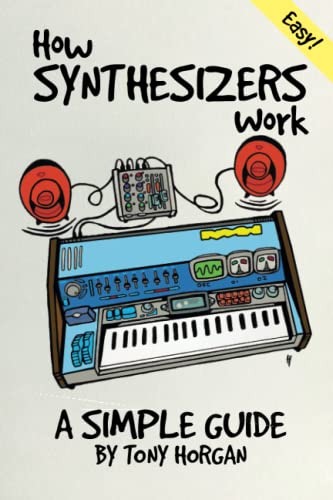
- Explains synthesis in beginner-friendly language
- Covers oscillators, filters, LFOs, and envelopes
- Includes MIDI, CV, sequencing, and connection basics
Best For: Learning synth fundamentals before buying or programming
Pocket Sound Maker
Stylophone Original Pocket Synthesizer

- Portable, battery-powered mini synth
- Warm retro analog sound with three octaves
- Stylus control, headphones, and computer connectivity
Best For: Songwriters wanting quick melodic ideas and distinctive vintage textures
Sound Design Guide
How To Program Any Synthesizer

- Step-by-step approach to programming sounds
- Covers modulation, routing, arpeggiators, and wavetables
- Applies to hardware and software synthesizers
Best For: Songwriters learning to create original patches beyond presets
Synth DIY Workshop

- Hands-on guide to building analog synthesizers
- Explains VCOs, VCFs, VCAs, and LFOs
- Includes MFOS Noise Toaster and studio guidance
Best For: Technically experienced musicians exploring synth construction
Best Synthesizer Learning Guide

- Explains core synthesis concepts
- Covers sequencing and sound design
- Includes composition and patch-building guidance
Best For: Beginners learning synthesis for songwriting
Best Novelty Synth Instrument

- Touch-sensitive stem for melodic playing
- Adds wah and vibrato gestures
- Offers headphone, speaker, and amp connectivity
Best For: Experimental melodies and playful performances
Best Daily Synth Practice Book
Synthesizer for Absolute Beginners

- Builds skills in 10 minutes a day
- Covers hardware and software synths
- Includes patches, exercises, and recording guidance
Best For: New songwriters wanting structured synth practice
Premium Analog Powerhouse – MOOG Messenger
For songwriters seeking hands-on, classic analog character, the MOOG Messenger is a substantial choice among music synthesizers for songwriters. Its two wavefolding oscillators, bass-focused filter, full-size expressive keys, and onboard sequencing support both sound design and performance.
Best For: Songwriters who want a premium monophonic synth for basses, leads, sequences, and expressive studio or live playing.
Pros:
- Two variable-shape VCOs, sync, frequency modulation, and a sub-oscillator offer broad mono sound design.
- 32 semi-weighted full-size keys include velocity and aftertouch.
- Includes a 64-step sequencer, arpeggiator, 256 presets, and parameter recording.
- Offers MIDI, USB-C MIDI, CV patch points, external audio input, and pedal connections.
Cons:
- Monophonic architecture is less suited to playing chords.
- Its larger, heavier format may be less portable than compact controllers or mini-key synths.
- Its premium feature set may be more than beginners need.
The Messenger makes the most sense when tactile control, full-size keys, and distinctive analog bass and lead tones matter more than polyphony or minimal size.
Portable DAW Controller – M-VAVE K5 MIDI Controller
The M-VAVE K5 is a practical option for songwriters who build ideas in a computer or mobile device. As one of the more portable music synthesizers for songwriters, it controls virtual synths and production software through 25 velocity-sensitive keys, pads, knobs, and wireless connectivity rather than generating sounds on its own.
Best For: Mobile songwriters and beat makers who need a compact controller for software instruments, drums, and basic mixing.
Pros:
- Bluetooth and USB connectivity support flexible studio, travel, and mobile setups.
- Built-in 2,000 mAh battery is rated for about 16 hours of use.
- Includes eight RGB velocity-sensitive pads, eight assignable knobs, and touch pitch-bend controls.
- Works with major DAWs and operating systems, including Windows, Mac OS, Android, and iOS.
Cons:
- It is a MIDI controller, not a standalone sound-generating synthesizer.
- Its 25 mini keys provide less playing range than a full-size keyboard.
- Wireless operation depends on compatible Bluetooth devices and software.
Choose the K5 when portability and software control are priorities. Its pads and knobs make it more versatile than a basic keyboard, especially for sketching arrangements away from a full studio.
Versatile Vocal Synth – Novation MiniNova
The Novation MiniNova combines an accessible keyboard format with a flexible analog-modeling engine, making it a strong candidate among music synthesizers for songwriters. Its 18-voice polyphony, effects, arpeggiator, Animate controls, and included microphone cover everything from chords and pads to vocal processing.
Best For: Songwriters who want polyphonic parts, quick preset browsing, vocal effects, and performance-oriented controls in a compact synth.
Pros:
- Supports up to 18 voices for chords, pads, and layered parts.
- Includes 256 sounds, space for 128 user patches, and five effects per voice.
- Built-in vocoder and VocalTune add dedicated vocal-processing options.
- Eight Animate buttons, pitch and modulation wheels, and an arpeggiator encourage live experimentation.
Cons:
- Its 37 keys are mini keys rather than full-size keys.
- The plastic body may feel less substantial than a metal-panel instrument.
- Its feature-rich interface may take time to learn fully.
The MiniNova is especially appealing for writers who want one compact instrument to handle polyphonic songwriting, quick sound selection, and unusual vocal or performance textures.
Beginner Synth Reference – How Synthesizers Work
Although it is not a hardware instrument, How Synthesizers Work: A Simple Guide can help new songwriters understand the controls found on music synthesizers for songwriters. The illustrated, beginner-focused book explains oscillators, filters, envelopes, LFOs, effects, sequencing, MIDI, CV, and connections in straightforward language.
Best For: Beginners who want a practical foundation before choosing or programming a synthesizer.
Pros:
- Uses simple explanations and pictures for readers without prior experience.
- Covers both sound-shaping concepts and practical topics such as cables, MIDI, CV, and timing.
- Includes sections on synthesizer types, effects, arpeggiators, sequencers, and choosing a synth.
Cons:
- It is an educational book, not a synthesizer or controller.
- Readers seeking advanced programming techniques may find the beginner scope limited.
- It is available in English only according to the supplied details.
This is a useful companion for first-time buyers and new sound designers. It can make the terminology and signal flow of a hardware or software synth less intimidating before hands-on practice begins.
Pocket Sound Maker – Stylophone Original Pocket Synthesizer
The Stylophone is a compact, approachable choice for songwriters who want a distinctive vintage sound for quick ideas, hooks, and melodic sketches. Its stylus-controlled interface, built-in speaker, headphone output, and battery power make it easy to use away from a full studio setup.
Best For: Beginners, experienced musicians seeking a fun texture, and songwriters who value portability and retro character.
Pros:
- Iconic warm, vintage, retro organ-like analog sound.
- Three octaves, optional vibrato, and an easy touch-sensitive playing surface.
- Compact battery-powered design with built-in speaker and headphone socket.
- Can connect to a computer or other gear through a 3.5mm stereo cable.
Cons:
- The compact stylus interface may be less suitable for detailed keyboard-style performance.
- Requires three AA batteries for portable use.
For music synthesizers for songwriters, the Stylophone stands out as an inexpensive, highly portable source of characterful sounds. It is better suited to inspiration, accents, and experimentation than to serving as a complete production workstation.
Sound Design Guide – How To Program Any Synthesizer
This second-edition guide is a practical learning resource for songwriters who want to move beyond presets and understand how synthesizers create sound. It explains programming in step-by-step terms and applies across instruments ranging from Minimoog-style synths to software such as Massive, Serum, and Arturia Pigments.
Best For: Songwriters and producers who want a systematic foundation in synthesis, modulation, routing, and sound design.
Pros:
- Breaks sound creation into accessible, easy-to-follow steps.
- Covers subtractive and wavetable synthesizers, including Serum and Arturia Pigments.
- Includes updated material on modulation, routing, and arpeggiators.
- Helps readers build signature sounds from scratch instead of relying only on presets.
Cons:
- It is an instructional book rather than a synthesizer or playable instrument.
- The examples span different hardware and software, so exact controls may vary by setup.
Among music synthesizers for songwriters, this book is not a sound source but can make any existing synth more useful. It is a strong choice for developing transferable skills and a clearer understanding of synthesis fundamentals.
Synth DIY Workshop – Make: Analog Synthesizers
Make: Analog Synthesizers is a hands-on guide for songwriters and hobbyists who want to understand or build analog instruments themselves. It covers core synth blocks, foundational electronics, the MFOS Noise Toaster kit, and the basics of creating a budget synth-DIY studio.
Best For: Musicians and technically experienced hobbyists interested in building, modifying, and understanding analog synthesizers.
Pros:
- Explains VCOs, VCFs, VCAs, LFOs, and other analog synth building blocks.
- Includes parts, schematics, circuits, and guidance for synth-DIY projects.
- Provides a practical project based on the MFOS Noise Toaster kit.
- Discusses tools, home-made equipment, and setting up a budget electronic music studio.
Cons:
- Designed for readers with experience building electronic projects from kits or schematics.
- It is a 2013 first edition, so some information may not reflect newer equipment or workflows.
- Building a synthesizer requires components, tools, and hands-on project time.
For music synthesizers for songwriters, this book suits creators who want a deeper connection to the instrument rather than an immediate plug-and-play solution. Its project-based approach can turn synthesis into both a creative practice and an electronics hobby.
Best Synthesizer Learning Guide – Complete Beginners Guide
For songwriters searching for music synthesizers for songwriters, learning the instrument’s fundamentals can be as important as choosing hardware. This 92-page guide introduces synthesis, sound design, sequencing, arpeggios, patch creation, layering, and composition in step-by-step lessons.
Best For: Beginners who want a broad introduction to synthesizer playing, sound design, and composition.
Pros:
- Covers oscillators, filters, envelopes, waveforms, and modulation.
- Includes playing techniques, sequencing, and arpeggios.
- Introduces modular synthesis, polyphony, patch building, and music production.
Cons:
- The short 92-page format may limit depth on advanced topics.
- It is a learning book rather than a synthesizer or hands-on instrument.
This is a practical starting point for songwriters who want to understand how synth sounds are constructed and applied in compositions before investing in more specialized equipment or instruction.
Best Novelty Synth Instrument – Otamatone Deluxe
Among music synthesizers for songwriters, the Otamatone Deluxe stands out as a portable, playful instrument for sketching unusual melodic ideas. Its touch-sensitive stem, expressive face squeeze, vibrato gesture, and roughly four octaves per pitch setting make it more performance-oriented than a conventional keyboard.
Best For: Songwriters and musicians seeking a quirky, easy-to-play instrument for melodies, experimentation, and fun performances.
Pros:
- Touch-sensitive stem supports sliding between notes.
- Face squeeze adds a wah effect, while shaking adds vibrato.
- Connects to headphones, speakers, and amplifiers through a 3.5 mm stereo jack.
- Includes batteries, an aux cable, an instruction manual, and a strap.
Cons:
- Its distinctive shape and sound may not suit traditional songwriting workflows.
- Pitch control through the touch-sensitive stem may require practice.
The Deluxe is best viewed as an expressive idea generator or secondary instrument rather than a full studio synthesizer. It can add memorable melodic character when a standard keyboard feels too conventional.
Best Daily Synth Practice Book – Synthesizer for Absolute Beginners
For songwriters comparing music synthesizers for songwriters, this 128-page beginner guide focuses on short, practical lessons that lead from basic controls to playable melodies and recorded tracks. It covers hardware and software synths, sound design, patch recipes, computer connections, effects, and a seven-day challenge.
Best For: Absolute beginners and songwriters who want a structured, low-pressure route into synthesis and recording.
Pros:
- Uses a 10-minutes-a-day approach without requiring music reading.
- Explains oscillators, filters, envelopes, and LFOs in plain English.
- Includes recipes for pads, leads, basses, and layered sounds.
- Provides cheat sheets, patch sheets, workouts, troubleshooting, and a progress tracker.
Cons:
- It is instructional material, so a separate hardware or software synthesizer is required.
- The focus on beginners may not satisfy experienced producers seeking advanced techniques.
This is the most structured learning option in the group for writers who want to move quickly from terminology to usable sounds, melodies, chords, and basic recording practice.
How We Picked the Best Music Synthesizers for Songwriters
We evaluated these picks for their usefulness in a songwriting setup rather than treating every synthesizer as a studio centerpiece. Key considerations included sound-shaping potential, playability, portability, connectivity, learning curve, and suitability for generating practical parts such as basses, leads, pads, effects, and rhythmic ideas.
The selection also includes books and beginner guides because learning synthesis can be as valuable as buying hardware. A relatively simple instrument paired with clear instruction may help a new songwriter make faster progress than a more complex synthesizer with a steep operating system.
Quick Comparison
- Best for hands-on analog sound: MOOG Messenger.
- Best for compact computer setups: M-VAVE 25 Key MIDI Controller.
- Best for flexible beginner synthesis: Novation MiniNova.
- Best for learning fundamentals: How Synthesizers Work and the beginner-focused guides.
- Best for portable experimentation: Stylophone and Otamatone Deluxe.
- Best for DIY-minded creators: Make: Analog Synthesizers.
Key Buying Factors for Music Synthesizers for Songwriters
Sound Engine and Musical Role
Decide whether you need true analog circuitry, analog modeling, or a controller that relies on software. Monophonic instruments excel at basses and lead lines, while polyphonic or software-based setups are better for chords and layered arrangements.
Keys, Controls, and Expression
Look for a keyboard size and action that match how you write. More keys help with two-handed parts, while knobs, pads, pitch controls, and modulation controls make it easier to shape ideas without interrupting your flow.
Connections and Workflow
Check USB, MIDI, audio outputs, Bluetooth, and computer compatibility before buying. A controller may be ideal for a DAW-based studio, whereas a standalone synthesizer can encourage screen-free writing and direct monitoring.
Learning Curve and Space
Beginners should prioritize accessible controls, presets, tutorials, and clear documentation. Also consider desk space, power requirements, portability, and whether the instrument will remain convenient enough to use regularly.
Who Should Buy Which Music Synthesizers for Songwriters?
Choose the MOOG Messenger if tactile analog bass and lead sounds are central to your music. The MiniNova is a stronger all-purpose option for songwriters who want varied sounds in a compact instrument. Select the M-VAVE controller if your main instruments live inside a computer and you want physical keys and controls.
Stylophone and Otamatone are better suited to playful sketches, unusual textures, and accessible experimentation than conventional full-range production. If you are still learning, start with one of the included books or beginner courses before investing in a more advanced setup. DIY-oriented musicians should consider the Make guide as a foundation for understanding how analog circuits create sound.
