Last updated on October 1st, 2026
A home theater power conditioner should do more than provide extra outlets. The right model helps protect costly electronics and fits the way your TV, receiver, subwoofer, and source devices draw power.
These 10 options range from compact units to full-size rack components. Here’s what to check before choosing one for your setup.
Best 10 Power Conditioner for Home Theater Picks for 2026
Best for Isolated AV Banks
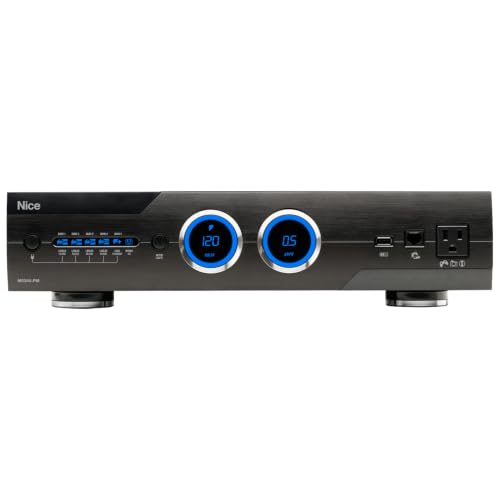
- 11 outlets in five isolated banks
- Level 4 power filtration
- Voltage/current display and USB charging
Best For: Multi-component theaters needing isolated power banks
Best Compact Power Station

- Eight outlets
- 135 VAC over-voltage shutoff
- RJ11 and coaxial connections
Best For: Modest TV setups with several components
Best for Voltage Regulation

- Voltage regulation for power sags
- 11 outlets in five isolated banks
- Automatic Voltage Monitoring
Best For: Theaters where voltage sags are a concern
Best for Power-Hungry Amplifiers

- 13 outlets across three isolated banks
- 45A+ transient reserve specified
- 15 A, 1,800 W output rating
Best For: Amplifier-heavy theater and two-channel systems
Balanced Theater Protection

- Nine protected, filtered outlets
- Automatic Voltage Monitoring
- 15 A capacity; two USB ports
Best For: Home theaters with up to nine components
Compact Remote Placement

- Mount-friendly compact chassis
- Auto-resetting voltage protection
- 10 A capacity with LiFT filtering
Best For: TV or projector setups with limited space
Large-System Management

- Eleven managed outlets
- Three isolated, sequenced banks
- 2025-joule surge rating
Best For: Larger home theaters needing managed outlets
Compact Theater Pick

- Eight filtered outlets; three spaced for adapters
- 900-joule surge rating and audible alarm
- Cable, satellite, and telephone connections
Best For: Compact home theater setups needing connected-line protection
Rack-Ready System Pick

- 12 outlets: four high-current, eight filtered
- Non-sacrificial surge protection and voltage shutdown
- Includes 2RU rack ears and detachable cable
Best For: Rack-based theaters with amplifiers and multiple source components
Sequenced Rack Pick

- Ten outlets: eight rear, two front always-on
- 1U rack housing and LCD voltage readout
- 13-amp rating with surge and overload protection
Best For: Rack-mounted setups needing sequencing and voltage monitoring
Best for Isolated AV Banks – Panamax M5300-PM
If you need a power conditioner for home theater with room to separate components, the Panamax M5300-PM offers 11 outlets across five isolated banks. Its Level 4 filtration targets power noise and cross-contamination between connected gear.
Best For: Multi-component theater setups that need isolated outlet banks and front-panel power readings.
Pros:
- Five isolated banks include a pair of high-current outlets.
- Automatic Voltage Monitoring adds protection against problematic voltage.
- Digital voltmeter and ammeter, LAN/phone protection, and USB charging add convenience.
Cons:
- At 18 pounds and 17 inches wide, it requires substantial shelf space.
- The supplied notes do not list voltage regulation.
Choose this model when outlet separation and monitoring matter more than a compact footprint; consider the M5400-PM if voltage regulation is essential.
Best Compact Power Station – Furman PST-8 Digital Bundle
For a smaller power conditioner for home theater, the Furman PST-8 Digital bundle provides eight outlets and a listed 135 VAC over-voltage shutoff. It also includes a three-foot, 18-gauge extension cable with an IEC female connector.
Best For: Modest TV setups needing eight outlets and a compact power-station format.
Pros:
- Eight outlets accommodate several nearby components.
- Listed connections include RJ11 and coaxial jacks.
- Over-voltage shutoff is specified at 135 VAC.
Cons:
- Eight outlets may be limiting for larger theater systems.
- The supplied specifications list a 5 A maximum current; verify suitability for your connected equipment.
This is the straightforward choice for a modest setup, but check its current rating before connecting power-hungry components.
Best for Voltage Regulation – Panamax M5400-PM
If voltage sags are a concern, the Panamax M5400-PM is a power conditioner for home theater that adds voltage regulation to its 11 protected and filtered outlets. Five isolated banks help limit noise transfer between components.
Best For: Theater systems that need regulated voltage as well as outlet isolation.
Pros:
- Voltage regulation is designed to reduce equipment lock-ups caused by power sags.
- Automatic Voltage Monitoring and Protect or Disconnect technology address unsafe power conditions.
- Eleven outlets span five isolated banks.
- Includes a lifetime product warranty and a limited lifetime connected-equipment protection policy.
Cons:
- Its 20-pound, 17-inch-wide chassis needs adequate space.
- The supplied notes describe both Level 5 Noise Filtration and Level 4 Power Cleaning, so the filtration-level wording is inconsistent.
Its clearest advantage is voltage regulation; confirm the filtration designation if that specific rating influences your decision.
Best for Power-Hungry Amplifiers – Furman Elite-15 PF i
The Furman Elite-15 PF i is a power conditioner for home theater built around demanding AV systems. Its Power Factor Technology provides a high-current reserve for amplifier transients, while linear filtering addresses electrical noise.
Best For: Amplifier-heavy home theaters and two-channel systems needing 13 outlets.
Pros:
- Power Factor Technology offers a specified 45A+ reserve for transient demands.
- Thirteen outlets are arranged across three isolated banks.
- Linear Filtering Technology, SMP surge suppression, and Extreme Voltage Shutdown address noise and power faults.
- Rated for 15 A and 1,800 W output.
Cons:
- The 17-inch-wide rack-mount chassis requires appropriate placement.
- Its three isolated banks offer fewer separation groups than the five-bank Panamax models listed here.
Prioritize this unit when amplifier demand and outlet count lead your checklist; choose a five-bank option if component separation matters more.
Balanced Theater Protection – Panamax MR4300
The Panamax MR4300 is a power conditioner for home theater setups that need room for several components without moving to a larger 11-outlet unit. Its nine outlets combine surge protection, voltage monitoring, and Level 3 noise filtration.
Best For: Home theaters with up to nine components needing monitored, filtered power.
Pros:
- Nine protected and filtered outlets support a multi-component setup.
- Automatic Voltage Monitoring and Protect or Disconnect address unsafe power conditions.
- 15 A capacity and two USB ports add flexibility.
Cons:
- Nine outlets may be insufficient for a larger theater system.
- Its listed 1575-joule rating is lower than the MR5100’s 2025 joules.
The MR4300 is a practical middle ground if nine outlets cover your gear; check the warranty terms before buying, as the supplied product information lists conflicting warranty descriptions.
Furman AC-215A Compact Power Conditioner with Auto-Resetting Voltage Protection - Black
Check Price On AmazonThe Furman AC-215A is a compact power conditioner for home theater installations where the conditioner needs to fit near a wall-mounted TV or another remote location. It pairs LiFT AC filtering with surge protection and auto-resetting voltage protection.
Best For: A TV, projector, or compact entertainment setup with limited installation space.
Pros:
- Compact chassis can attach to a flat-screen TV mount or another remote location.
- Auto-Reset EVS shuts down connected equipment when it detects dangerous voltage irregularities.
- LiFT filtering and SMP surge protection address AC noise and spikes.
Cons:
- Its 10 A rating offers less current capacity than the 15 A Panamax models listed here.
- The supplied notes do not specify the number of outlets.
Choose the AC-215A for placement flexibility and voltage safeguards, but verify its outlet configuration against your equipment before ordering.
The Panamax MR5100 is a power conditioner for home theater systems with more components to connect and manage. It offers 11 outlets, three isolated banks, power sequencing, and Automatic Voltage Monitoring.
Best For: Larger home theaters that need 11 outlets and managed power-up behavior.
Pros:
- Eleven outlets accommodate a larger collection of AV equipment.
- Always-on, switched, and delayed banks provide power-sequencing options.
- Level 4 noise filtration, three isolated banks, and a 2025-joule surge rating.
Cons:
- At 13.5 pounds, it is heavier than the other two products listed here.
- Its listed one-year warranty is worth considering when comparing coverage.
The MR5100 makes the most sense when outlet count and sequencing matter; for a smaller setup, its extra capacity may be unnecessary.
Compact Theater Pick – Furman PST-2+6 Power Station
If you want a power conditioner for home theater components without adding a rack unit, the Furman PST-2+6 offers eight filtered outlets in a compact design. Three outlets are spaced for AC transformer plugs, and this bundle includes two 3-foot extension cables.
Best For: Home theater setups that need compact outlet expansion and protection for connected cable, satellite, or telephone lines.
Pros:
- Eight filtered outlets, including three spaced for transformer plugs.
- Surge suppression with a 900-joule rating and an audible excessive-surge alarm.
- Cable, satellite, and telephone connectors provide protection for connected equipment.
Cons:
- Fewer AC outlets than the 10- and 12-outlet models in this roundup.
- Compact form factor is not described as rack-mountable.
This is a practical choice when discreet placement and line connections matter more than a large outlet count. Check that eight outlets cover your full system before buying.
Rack-Ready System Pick – AudioQuest PowerQuest 303
The AudioQuest PowerQuest 303 is a power conditioner for home theater systems with several source components and amplifiers. Its 12 outlets divide into four high-current outlets and eight linear-filtered outlets, with included 2RU rack ears for installation.
Best For: Larger home theater systems that need separate amplifier and source-component outlets in a rack-ready unit.
Pros:
- Four high-current and eight linear-filtered AC outlets.
- Non-sacrificial surge protection is specified to withstand repeated 6000V or 3000A strikes without damage.
- Extreme-voltage shutdown disengages AC power in under 0.25 seconds at 140VAC.
- Includes a detachable 2-meter power cable, flat-to-wall plug, and 2RU rack ears.
Cons:
- At 10.2 pounds, it is heavier than the other units in this roundup.
- Its 15-amp rating should be considered against your system’s power requirements.
The outlet layout makes this the most flexible option here for a component-heavy system. Its protective features and mounting hardware are particularly relevant if your theater already uses an equipment rack.
Sequenced Rack Pick – Pyle PCO875 Power Conditioner
For a power conditioner for home theater gear housed in a rack, the Pyle PCO875 combines a power sequencer with 10 outlets in a 1U chassis. Eight outlets are on the rear, while two front outlets are described as always-on; a digital display provides a voltage readout.
Best For: Rack-mounted theater or studio setups that benefit from outlet sequencing and a front-panel voltage display.
Pros:
- Ten outlets split between eight rear connections and two front always-on outlets.
- 1U rack-mount metal housing saves rack space.
- Front-panel USB port and digital LCD voltage readout.
- Built-in spike, surge, and overload protection.
Cons:
- Rated at 13 amps; check the combined load of connected equipment.
- The two front outlets are described as always-on, so they may not suit devices you want controlled by sequencing.
The PCO875 suits buyers who want rack organization and visible voltage information alongside power control. Confirm that its 13-amp rating and outlet arrangement fit your equipment before installation.
How We Picked the Best Power Conditioner for Home Theater
We focused on features that matter in a home theater: surge protection, voltage protection or regulation where offered, outlet capacity, physical fit, and power-management features. The selection includes compact units, full-size components, and a rack-mount sequencer so buyers can match a device to their equipment rather than pay for unused features. Bundled extension cables were treated as accessories, not a substitute for evaluating the conditioner itself.
Product names do not establish real-world noise reduction or surge performance. Check each model’s current specifications, warranty terms, and installation instructions before buying.
Quick Comparison: Which Type Fits?
Compact placement: The Furman AC-215A suits a setup with limited space and few connections. More outlets: The Panamax M5300-PM, MR5100, and AudioQuest PowerQuest 303 are worth comparing for larger systems; check outlet spacing as well as the stated count. Voltage concerns: The Panamax M5400-PM is the clearest starting point if you specifically need voltage regulation, while the AC-215A lists auto-resetting voltage protection—these are not the same feature. Rack control: Consider the Pyle sequencer if your priority is orderly power-up and shutdown of compatible equipment.
Key Buying Factors for a Power Conditioner for Home Theater
Protection and Voltage Handling
Start with surge protection, then distinguish between voltage monitoring, shutdown protection, and active voltage regulation. Regulation may be useful where household voltage varies; it is not a reason to overlook the unit’s rated capacity. If outages are the concern, a conditioner is not a backup battery—consider a suitable UPS separately.
Capacity, Outlets, and Fit
Count every component and check whether bulky adapters will block adjacent sockets. Confirm that the conditioner’s current and wattage ratings accommodate the connected load, especially with amplifiers or powered subwoofers. Never exceed the unit’s rating, and check the manufacturer’s guidance before connecting high-draw equipment. Measure shelf or rack space and allow for cord routing and ventilation.
Filtering and Convenience
Noise-filtering claims deserve perspective: filtering can address some power-line interference, but it cannot fix hum caused by a ground loop, a faulty cable, or an equipment issue. Choose switched or sequenced outlets, front-panel indicators, and accessible connections only if they make your system easier to use.
Who Should Buy Which Power Conditioner for Home Theater?
For a small TV-and-soundbar setup, prioritize a compact unit with appropriate protection and enough outlets. For a receiver-based theater with several sources, compare the full-size Panamax, Furman, and AudioQuest options by outlet layout and load rating. If unstable voltage is a documented problem, compare the M5400-PM’s regulation specifications with your equipment’s needs. Choose a rack sequencer for operational control, not as a default replacement for surge protection or voltage regulation. The best purchase is the one whose protections, capacity, and connections match your actual system.
