Choosing a microphone preamp for podcasting can make a big difference in clarity, noise floor, and how hard your mic has to work. The right option depends on your microphone, recording setup, and whether you need simple gain or a full interface.
Below, we’ve rounded up 10 strong picks for podcasters who want cleaner vocal capture, easier level matching, and better overall recording results.
Best 10 Microphone Preamp for Podcasting Picks for 2026
Inline Gain Booster
Cloudlifter CL-1 Mic Activator

- Adds up to +25 dB of clean gain
- Uses phantom power without passing it to the mic
- Ideal for quiet mics in podcast setups
Best For: Creators who need cleaner gain from low-output dynamic or ribbon mics
Full USB Interface
Focusrite Scarlett 2i2 4th Gen
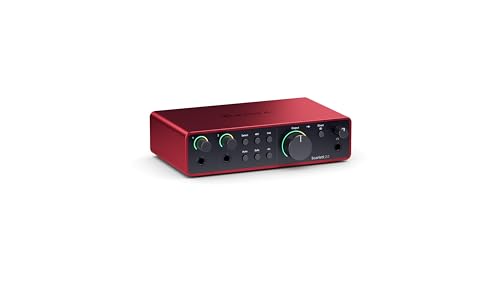
- Two mic preamps with USB connectivity
- Auto Gain and Clip Safe simplify level setting
- Air mode adds vocal presence
Best For: Podcasters who want an interface that records and manages mic gain in one box
Mini Gain Booster
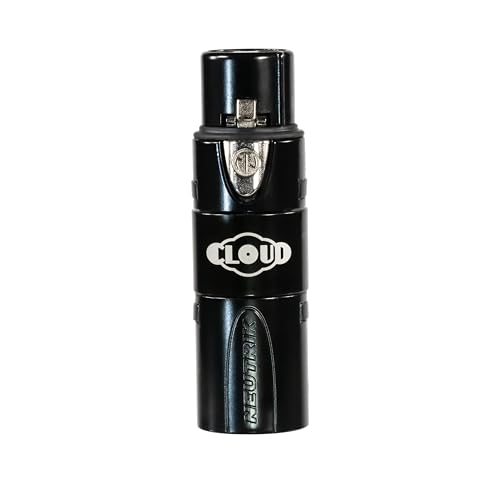
- Compact inline gain booster for XLR setups
- Adds up to +25 dB using phantom power
- Small metal body for tight podcast rigs
Best For: Creators who want a smaller clean-gain solution for podcast microphones
Built-In Preamplifier Mic

- Built-in preamp with +18 dB or +28 dB gain
- Warm, natural SM7-style vocal sound
- Cardioid pattern helps isolate speech
Best For: Creators who want broadcast-style podcast sound with fewer external gain devices
Best for Easy Setup

- Adds up to +29dB clean gain.
- Made for dynamic and ribbon mics.
- Metal shell helps reduce interference.
Best For: Podcasters using quiet dynamic mics who need a simple inline gain boost.
USB Audio Interface
Focusrite Scarlett Solo 3rd Gen

- 1 XLR mic preamp with 56dB gain range.
- Records up to 24-bit/192kHz.
- Air mode adds extra vocal clarity.
Best For: Solo podcasters who want an all-in-one USB interface for voice recording.
High-Gain Dual-Input Preamp

- Up to +75dB clean gain.
- Works with dynamic and condenser mics.
- Includes XLR balanced and 6.35mm outputs.
Best For: Creators who need a high-gain preamp with dual inputs and broad mic support.
Best with Extra Features

- Adds 28dB of Class A gain for quiet dynamic mics.
- Compatible with 48V phantom power and XLR chains.
- Metal shielded case helps reduce interference.
Best For: Podcasters using low-output dynamic microphones
Low-Noise Desktop Pick
RO03 66dB Ultra-Low Noise Mic Preamp

- Offers up to 66dB gain with a claimed -120dB EIN.
- Works with dynamic, condenser, ribbon mics, and instruments.
- Type-C power and multiple outputs suit portable setups.
Best For: Creators who want a high-gain, low-noise preamp
Podcast Voice Booster

- Uses 48V phantom power to add 25dB of gain.
- Aims for a very low -70dB noise floor.
- Built for podcasting, broadcast, and live voice work.
Best For: Podcast and broadcast users with dynamic or ribbon microphones
Inline Gain Booster – Cloudlifter CL-1 Mic Activator
If you’re shopping for a microphone preamp for podcasting and your dynamic or ribbon mic needs more clean gain, the Cloudlifter CL-1 is built for that exact job. It uses phantom power to add up to +25 dB while keeping phantom power off the microphone itself, helping raise level without adding much noise.
Best For: Podcasters, streamers, and broadcasters using quiet mics that need cleaner gain from an XLR interface or preamp.
Pros:
- Adds up to +25 dB of clean gain using phantom power
- Helps improve clarity while reducing unwanted noise and feedback
- Compatible with passive ribbons and other compatible microphones
- Designed for podcasting, live streaming, radio, and studio use
Cons:
- Requires phantom power from the mic preamp or interface
- Works as an inline gain activator, not a full recording interface
- Best suited to low-output mics rather than already-hot sources
For creators who want a simple way to bring weak mic signals up to a usable level, the CL-1 is a focused, low-noise solution. It fits naturally into a podcast chain when the main goal is cleaner gain without changing the mic’s character.
Full USB Interface – Focusrite Scarlett 2i2 4th Gen
The Focusrite Scarlett 2i2 4th Gen is a strong all-in-one choice if you want a microphone preamp for podcasting plus a full USB recording interface. Its two mic pres, Auto Gain, Clip Safe, and Air mode make it easy to get a polished vocal sound while recording directly to a computer, tablet, or compatible device.
Best For: Solo podcasters, interview setups, and creators who want a compact interface with built-in mic pres and recording tools.
Pros:
- Two mic preamps for recording voice or small two-source setups
- Auto Gain helps set levels quickly and Clip Safe helps prevent clipping
- Air mode can add vocal presence and harmonic drive
- Includes recording software and plugins to get started right away
Cons:
- More than you need if you only want a standalone gain booster
- Not a dedicated inline activator for extremely low-output mics
- Best value comes when you also need USB interface functionality
If you want one device to handle both mic preamp duties and the rest of your recording chain, the 2i2 is the most versatile pick here. It’s especially practical for podcasters who want a straightforward interface with modern gain-management features.
Mini Gain Booster – Cloudlifter CL-25
The Cloudlifter CL-25 is a compact microphone preamp for podcasting when you want the same clean gain-boosting approach in a smaller form factor. Like the original-style Cloudlifter design, it uses phantom power to add up to +25 dB without passing that power to the microphone, making it a practical fit for cleaner spoken-word recordings.
Best For: Podcasters and streamers who want an ultra-compact inline gain solution for low-output microphones.
Pros:
- Adds up to +25 dB of clean gain
- Uses phantom power while keeping the mic protected from it
- Compact metal build is easy to fit into tight setups
- Made for podcasting, live streaming, radio, and studio recording
Cons:
- Still requires phantom power from the connected interface or preamp
- Only adds gain; it does not function as a full interface
- Best suited to compatible low-output mics rather than all sources
For small desks or portable rigs, the CL-25 gives you the core Cloudlifter benefit in a very compact package. It’s a straightforward choice when the goal is cleaner, stronger voice level without complicating the signal chain.
Built-In Preamplifier Mic – Shure SM7dB Dynamic Vocal Mic
If you want a microphone preamp for podcasting built right into the mic, the Shure SM7dB is designed to simplify the chain. It keeps the warm, natural vocal character of the SM7B-style sound while adding selectable onboard gain, so you can connect to many XLR interfaces without needing an external gain booster.
Best For: Podcasters and streamers who want the SM7-style sound with built-in clean gain and a simpler setup.
Pros:
- Built-in preamp offers selectable +18 dB or +28 dB of clean gain
- Same warm, natural vocal character as the SM7B-family sound
- Cardioid pickup and shock isolation help reject background noise and handling vibration
- Rear EQ switches let you shape bass roll-off and mid-range presence
Cons:
- More expensive than a standard mic-plus-inline-booster setup
- Still uses XLR and is not a USB microphone
- Best for users who specifically want a built-in preamp rather than separate gear
The SM7dB is the most streamlined option in this roundup because the gain boost lives inside the microphone itself. That makes it a strong fit for creators who want a broadcast-style vocal mic and fewer pieces in the chain.
Best for Easy Setup – StudioMan DPM1 XLR Preamp
If you’re shopping for a microphone preamp for podcasting and use a low-output dynamic or ribbon mic, the StudioMan DPM1 is built to add gain before your interface has to work hard. It delivers up to +29dB of clean boost, which can help reduce hiss and improve clarity in a simple XLR chain.
Best For: Podcasters and streamers using dynamic or ribbon microphones who need extra clean gain and a plug-and-play inline solution.
Pros:
- Provides up to +29dB of clean, transparent gain.
- Designed for dynamic microphones and ribbon mics.
- Metal housing helps shield against interference and hum.
- Compact, inline XLR design is easy to add to an existing setup.
Cons:
- Not for condenser microphones.
- Requires 48V phantom power to operate.
- Phantom power does not pass through to the microphone.
For creators with quiet voices or low-output mics, this is a focused gain-boosting tool rather than a full interface upgrade. It makes the most sense when you already have a dynamic mic and want a cleaner, louder signal at the source.
USB Audio Interface – Focusrite Scarlett Solo 3rd Gen
The Focusrite Scarlett Solo 3rd Gen is a practical pick if you want a microphone preamp for podcasting built into a compact USB audio interface. Its single mic preamp, 56dB gain range, Air mode, and 24-bit/192kHz recording support make it a straightforward way to capture voice at studio quality.
Best For: Solo podcasters, vocalists, and creators who want an all-in-one USB interface for recording voice and an instrument.
Pros:
- 1 XLR mic preamp with up to 56dB gain range.
- 24-bit/192kHz recording supports high-quality capture.
- Air mode can add extra clarity to recordings.
- Includes software bundle to get started quickly.
Cons:
- Only one mic input, so it is not ideal for multi-mic podcasts.
- Less specialized if you only need an inline preamp boost.
If you want a dependable entry point for podcast recording, this interface covers the essentials without adding complexity. It’s best suited to solo setups where you want clean preamp performance, simple monitoring, and room to grow.
High-Gain Dual-Input Preamp – MIC-1 Dual-Input Preamp
The MIC-1 is aimed at users who need a microphone preamp for podcasting with more flexibility than a basic inline booster. With up to 75dB of clean gain, 48V phantom power, and dual inputs, it can support both dynamic and condenser microphones in a single compact unit.
Best For: Podcasters, streamers, and home studio users who want high gain, dual inputs, and support for both dynamic and condenser mics.
Pros:
- Offers up to +75dB of clean, transparent gain.
- Supports both dynamic and condenser mics with 48V phantom power.
- Dual inputs allow two microphones at once.
- XLR balanced output plus 6.35mm stereo outputs add routing flexibility.
Cons:
- Bulkier and more involved than a simple inline mic activator.
- More than you need if you’re only boosting one dynamic mic.
For higher-demand recording setups, the MIC-1 offers a strong mix of gain, connectivity, and mic compatibility. It stands out when you need a more capable preamp for podcasting that can handle different microphones and output options.
Best with Extra Features – Bolanle NK1 28dB XLR Preamp
If you need a microphone preamp for podcasting to lift a quiet dynamic mic without adding much fuss, the Bolanle NK1 is a simple inline option. It adds 28dB of Class A gain and is designed for XLR chain setups, making it a practical match for common broadcast-style mics like the SM7B and SM58.
Best For: Podcasters using low-output dynamic microphones who want a straightforward in-line gain boost.
Pros:
- 28dB Class A gain helps low-sensitivity microphones reach usable recording levels.
- Works with 48V phantom power and fits into standard XLR signal chains.
- Metal alloy case is built to help block electromagnetic interference.
- Gold-plated pure copper pins are intended for stable, oxidation-resistant signal transfer.
Cons:
- Designed around XLR devices, so it is not a universal solution for every setup.
- Primarily aimed at dynamic mic boosting rather than a full-featured studio preamp.
For a podcasting setup that just needs clean extra gain from an in-line box, the NK1 keeps things focused. It is best viewed as a signal booster for low-output dynamic microphones rather than a multi-purpose recording hub.
Low-Noise Desktop Pick – RO03 66dB Ultra-Low Noise Mic Preamp
For a microphone preamp for podcasting that aims to stay quiet while offering a lot of gain, the RO03 is built around a modern low-noise design. Its updated 19–66dB gain range and Type-C power input make it a flexible pick for budget-conscious creators working with dynamic, condenser, ribbon, or instrument sources.
Best For: Creators who want a high-gain, low-noise preamp with flexible inputs and portable power.
Pros:
- Up to 66dB gain with a claimed -120dB EIN for very low-noise operation.
- Supports dynamic, condenser, ribbon microphones, and instrument input.
- XLR/TRS/TS line out options give more routing flexibility.
- Type-C power input is suited to portable recording setups.
Cons:
- The two input ports cannot be used at the same time.
- Best results depend on the correct cable and routing, with TRS line input recommended for lower noise.
The RO03 stands out if you want more gain headroom than a simple inline booster and prefer a compact, modern unit. It is especially appealing when clean gain and flexible connection options matter more than simplicity alone.
Podcast Voice Booster – Coda 25dB MB-1 Mic Preamp
If your microphone preamp for podcasting needs to add clean level to a dynamic or ribbon mic, the Coda MB-1 is built for that specific job. It uses 48V phantom power to add 25dB of gain while aiming to keep the noise floor very low, which makes it a practical vocal booster for podcast, broadcast, and studio recording.
Best For: Podcast and broadcast users with dynamic or ribbon microphones who want clean extra gain.
Pros:
- Adds 25dB of clean gain using 48V phantom power.
- Claims an ultra-low -70dB noise floor for clearer voice capture.
- Designed for podcasting, live streaming, radio broadcasts, and studio use.
- Durable aluminum build is suitable for stage or studio environments.
Cons:
- Does not work with condenser microphones.
- Requires phantom power from your interface or an external 48V supply.
The MB-1 is a focused gain booster rather than a general-purpose preamp, but that focus is useful for spoken-word recording. If your podcast setup revolves around a dynamic or ribbon mic, it offers a straightforward way to get more level without extra hiss.
How We Picked the Best Microphone Preamp for Podcasting
We focused on real podcasting needs: clean gain, low self-noise, compatibility with dynamic, condenser, and ribbon microphones, and practical setup flexibility. We also considered whether each Microphone Preamp for Podcasting is best as an in-line booster, a standalone preamp, or part of an audio interface.
Quick Comparison
In-line boosters like Cloudlifter-style units are best for low-output dynamic mics that need extra clean gain. Audio interfaces such as the Scarlett 2i2 and Scarlett Solo are better if you need recording inputs, monitoring, and USB connectivity in one device. Built-in preamp mics and hybrid preamps are a fit when you want fewer boxes and simpler wiring.
Key Buying Factors for a Microphone Preamp for Podcasting
Gain Needs
If your voice sounds quiet even with your interface turned up, choose a higher-gain solution. Low-output dynamic microphones often benefit most from an inline preamp or booster that adds clean amplification before the interface.
Noise Performance
For podcasting, cleaner gain matters more than maximum gain numbers alone. Look for low-noise designs that keep hiss and harshness down, especially if you record in untreated rooms or speak softly.
Phantom Power Requirements
Some inline boosters and preamps need 48V phantom power from your interface or mixer to operate. Make sure your gear chain supports it, and confirm whether the preamp passes phantom power through to condenser mics if you plan to use both types.
Connection Type and Workflow
USB audio interfaces simplify recording directly to a computer, while XLR preamps and boosters fit into more traditional studio chains. If portability matters, a compact unit may be easier to travel with and faster to set up.
Mic Compatibility
Not every Microphone Preamp for Podcasting is equally useful for every mic. Dynamic mics usually benefit most from extra clean gain, while condenser mics may only need a clean interface preamp. Ribbon mics can also require especially quiet gain.
Who Should Buy Which Microphone Preamp for Podcasting?
If you use a low-output dynamic microphone and already like your interface, an in-line booster is often the smartest upgrade. If you need an all-in-one recording solution, a USB interface is the better value. If you want a simpler vocal chain with built-in amplification, a mic with an integrated preamp can reduce gear clutter. For multi-mic or more flexible studio setups, choose a higher-gain standalone preamp with phantom power and strong noise performance.
